Mastering Portrait Photography
Introduction to Portrait Photography
What Is a Portrait?
A portrait is more than just a picture of a person. It's a captured moment that reveals something about who they are. While a simple snapshot shows what someone looks like, a strong portrait aims to capture their personality, mood, or essence. The goal isn't just to document a face, but to tell a story about the person attached to it.
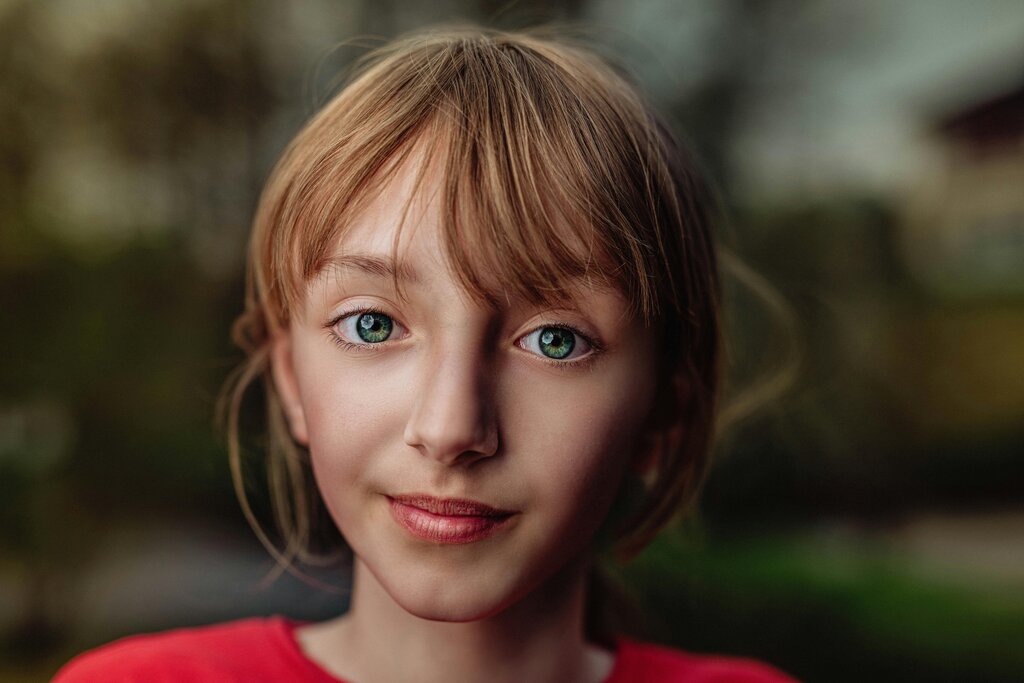
Think of it as the difference between a passport photo and a painted masterpiece. One is a technical record; the other is an artistic interpretation. Good portrait photography lives in that interpretive space, using tools like light, background, and expression to create a compelling image.
Styles of Portraiture
Portraits aren't one-size-fits-all. The style you choose depends on the story you want to tell. Let's look at three common approaches.
Posed Portraits
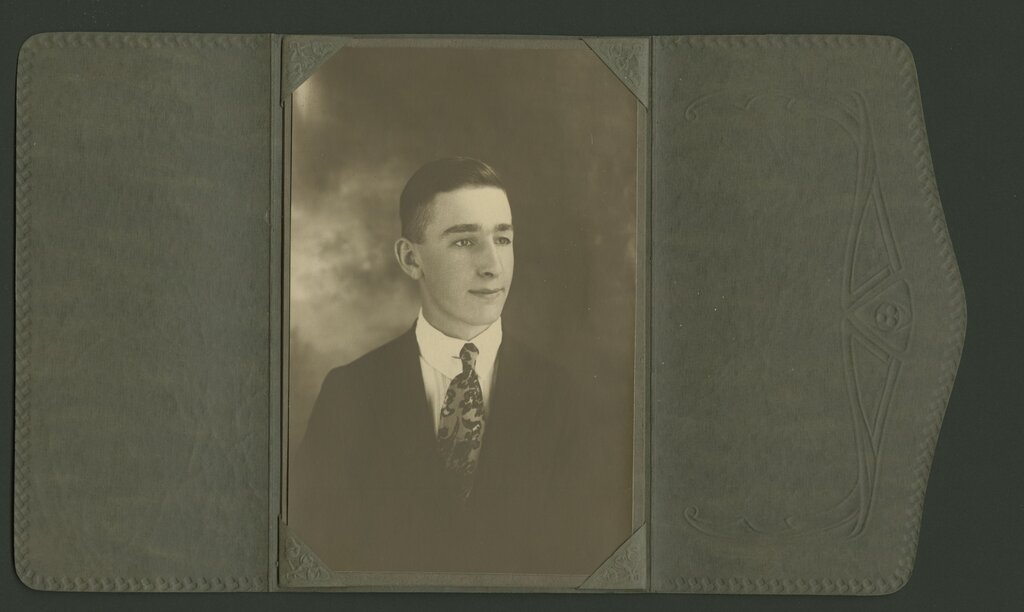
Also known as traditional or formal portraits, these are carefully constructed images. The subject is aware of the camera and is directed by the photographer. This style is common for headshots, family photos, and official portraits. The control allows the photographer to perfect lighting and composition.
Candid Portraits
Candid shots capture people as they are, often without them noticing the camera. The goal is to photograph genuine, unposed moments. This style feels authentic and full of life, making it great for events, street photography, and capturing everyday interactions.
Environmental Portraits
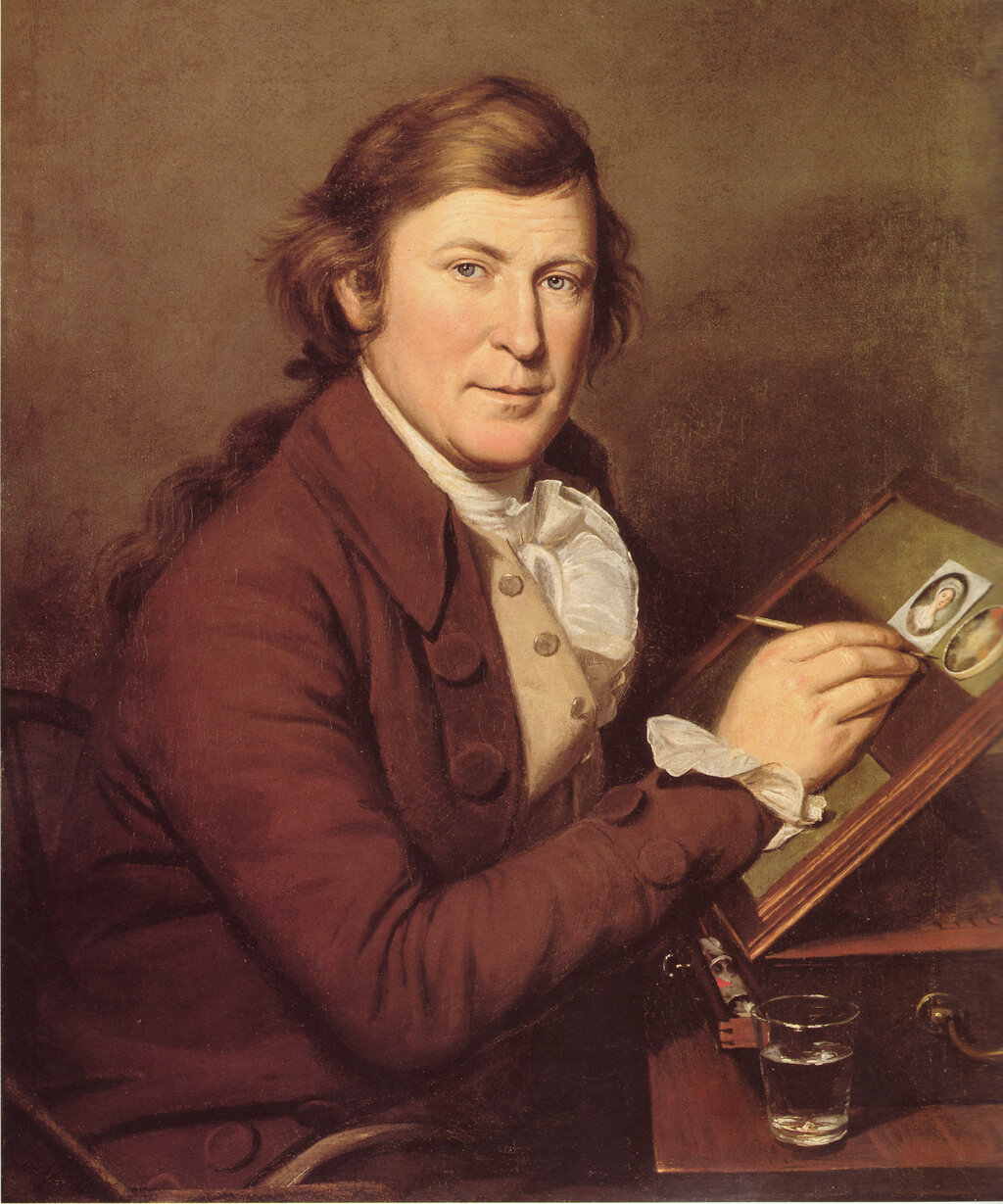
This style places the subject in a setting that says something about them—their home, workplace, or favorite spot. The environment acts as a co-star, adding context and narrative depth. An environmental portrait of a chef would likely be in a kitchen, while one of a musician might be in a studio or on stage.
Key Ingredients
Regardless of style, every great portrait relies on a few core elements. Mastering these will elevate your photos from simple snapshots to compelling portraits.
Personality
noun
The combination of characteristics or qualities that form an individual's distinctive character.
The most important ingredient is the subject's personality. A technically perfect photo of a person with a blank expression is forgettable. To capture someone's spirit, you need to connect with them. Talk to them, make them feel comfortable, and watch for the natural expressions that emerge between poses. That's where the magic happens.
Next is lighting. Light shapes everything in a photograph. It sets the mood, defines the subject's features, and directs the viewer's eye. You don't need fancy equipment to start. The two basic types of light to understand are hard light and soft light.
- Hard light, like direct sunlight, creates sharp, well-defined shadows. It can feel dramatic and intense.
- Soft light, like the light on an overcast day or from a window, creates gentle, subtle shadows. It's generally more flattering for portraits.
Finally, consider composition—how you arrange the elements in your frame. One of the most common compositional guides is the Rule of Thirds. Imagine your frame is divided into a 3x3 grid. The rule suggests placing your subject or key elements along these lines or at their intersections, rather than dead center. This often creates a more balanced and visually interesting image.
For a close-up portrait of a face, typically the eyes are the main attention. Therefore the eyes should be placed approximately where the thirds intersect.
These are just starting points. The real skill comes from learning how personality, light, and composition work together to create a single, powerful image.
Now, let's test your understanding of these core concepts.
What is the primary goal of a strong portrait, as opposed to a simple snapshot?
If a photographer wants to create a dramatic, intense portrait with sharp, well-defined shadows, which type of lighting should they use?
Understanding these basic ideas is the first step. By focusing on your subject, the light, and your composition, you're on your way to creating portraits that truly resonate.