Mastering PMI Agile Project Management
Agile Foundations
A New Way of Working
Before Agile, many projects were run like a relay race. One team would finish their part and hand it off to the next. A planner would write a massive, detailed plan. A designer would design the entire product. Then, an engineer would build it. Finally, a tester would check it for bugs. This is often called the "waterfall" method because work flows in one direction, like water over a cliff.
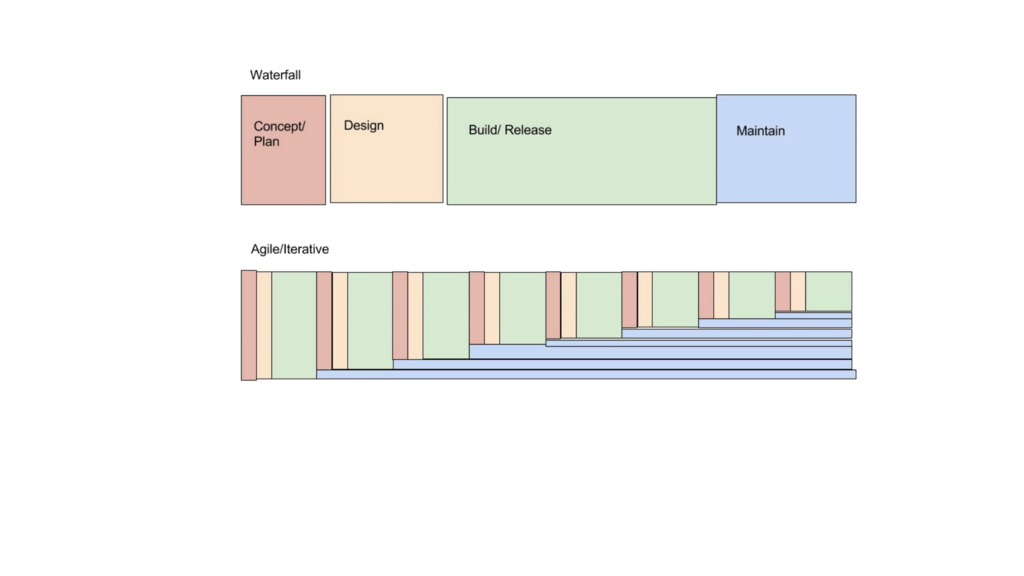
This process sounds logical, but it has a huge flaw. What if the customer's needs change halfway through? What if the team discovers a better way to build something? With the waterfall method, changing course was incredibly difficult and expensive. The plan was king, and deviating from it was a major problem.
In 2001, a group of seventeen software developers met at a ski resort in Utah. They were frustrated with these rigid, slow-moving processes. They wanted to find a better way to build software—a way that was more flexible, collaborative, and focused on delivering what customers actually wanted. The result of their meeting was a document called the "Manifesto for Agile Software Development."
The Agile Manifesto
The manifesto isn't a thick rulebook. It's a simple statement of what this group of developers had learned to value. It outlines four core values that prioritize a more human and responsive approach to work. It’s written as a series of trade-offs, valuing one thing more than another—not dismissing the items on the right, but elevating the items on the left.
Agile is an iterative approach to software development and project management that emphasizes incremental delivery, collaboration, and continuous improvement.
| We Value This... | Over This... |
|---|---|
| Individuals and interactions | Processes and tools |
| Working software | Comprehensive documentation |
| Customer collaboration | Contract negotiation |
| Responding to change | Following a plan |
Let's break these down.
Individuals and interactions over processes and tools. This means valuing good conversations over rigid procedures. A quick chat between a developer and a designer can solve a problem faster than a formal change request process. While tools are useful, the people using them and how they work together are more important.
Working software over comprehensive documentation. Agile teams believe the best way to show progress is to produce something that works. Instead of spending months writing a detailed instruction manual for a product that doesn't exist yet, they build a small, working piece of it. This lets the customer see and use the product early, providing valuable feedback.
Customer collaboration over contract negotiation. Traditionally, a customer's requirements were locked down in a contract at the start. Agile favors a continuous partnership. The customer is part of the team, offering feedback and guidance throughout the project. This ensures the final product is what they actually need, not just what was written down months ago.
Responding to change over following a plan. A plan is a great starting point, but it's not set in stone. The business world changes quickly. A new competitor might emerge, or customer tastes might shift. Agile teams expect and welcome change. They see it as an opportunity to make the product better, not as a failure to stick to the original plan.
The 12 Guiding Principles
The manifesto's four values are supported by twelve principles. These principles offer more specific guidance on how to put the Agile mindset into practice. They aren't rules, but rather signposts pointing toward a more effective way of working. Instead of listing all twelve, let's group them into three key themes.
1. Focus on the Customer. The number one principle is satisfying the customer by delivering valuable work early and continuously. This means welcoming changes, even late in the project, because the goal is to give the customer a competitive advantage.
2. Deliver Value. Agile teams deliver working products frequently, in weeks rather than months. This allows for constant feedback and ensures that working software, not just PowerPoint presentations, is the primary measure of progress. The pace is steady and sustainable, avoiding burnout.
3. Empower the Team. Agile works best when you build projects around motivated individuals, give them the environment and support they need, and trust them to get the job done. The best work emerges from self-organizing teams who are given autonomy. Regular reflection helps the team tune its behavior and become more effective over time.
Agile isn't just a set of practices; it's a mindset. These values and principles provide a foundation for teams to adapt, collaborate, and ultimately build better products.
And with that, let's test your knowledge on these foundational concepts.
Before Agile, the "waterfall" method was common. What was a major flaw of this approach?
Which statement best captures the Agile value of "Working software over comprehensive documentation"?
Understanding these core ideas is the first and most important step in applying Agile. They provide the 'why' behind all the specific methods and practices that have grown out of this philosophy.