Mastering Pizza Dough
Pizza Dough Ingredients
The Core Four
Every great pizza starts with the same four simple ingredients: flour, water, yeast, and salt. That’s it. Understanding what each one does is the first step to making a crust that’s chewy, crisp, and full of flavor. Think of them as a team where each player has a critical role.
Flour, salt, water and yeast: what do these simple ingredients have in common?
Flour provides the structure. When mixed with water, two proteins in the flour—glutenin and gliadin—link together to form gluten. Kneading the dough develops this gluten network, creating an elastic web that traps the gas produced by yeast. This is what allows the dough to rise and gives the final crust its signature chew.
The most common flour for pizza is '00' flour, a finely milled Italian flour that creates a soft, tender crust. All-purpose flour works well too, but it has a slightly higher protein content, which can result in a chewier, more bread-like texture. For your first few attempts, either will do just fine.
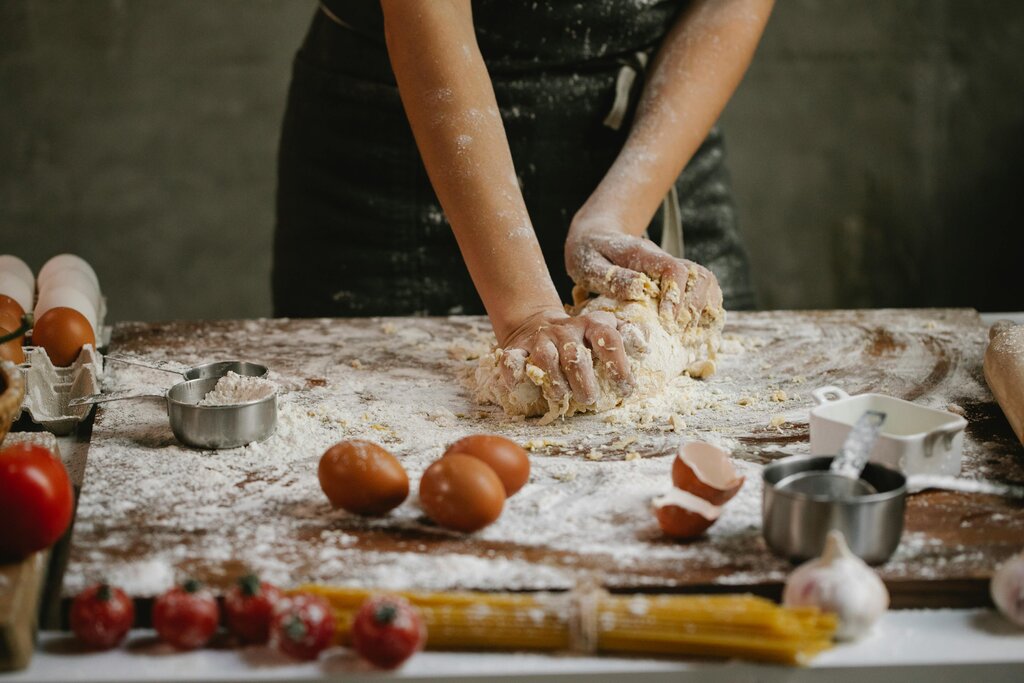
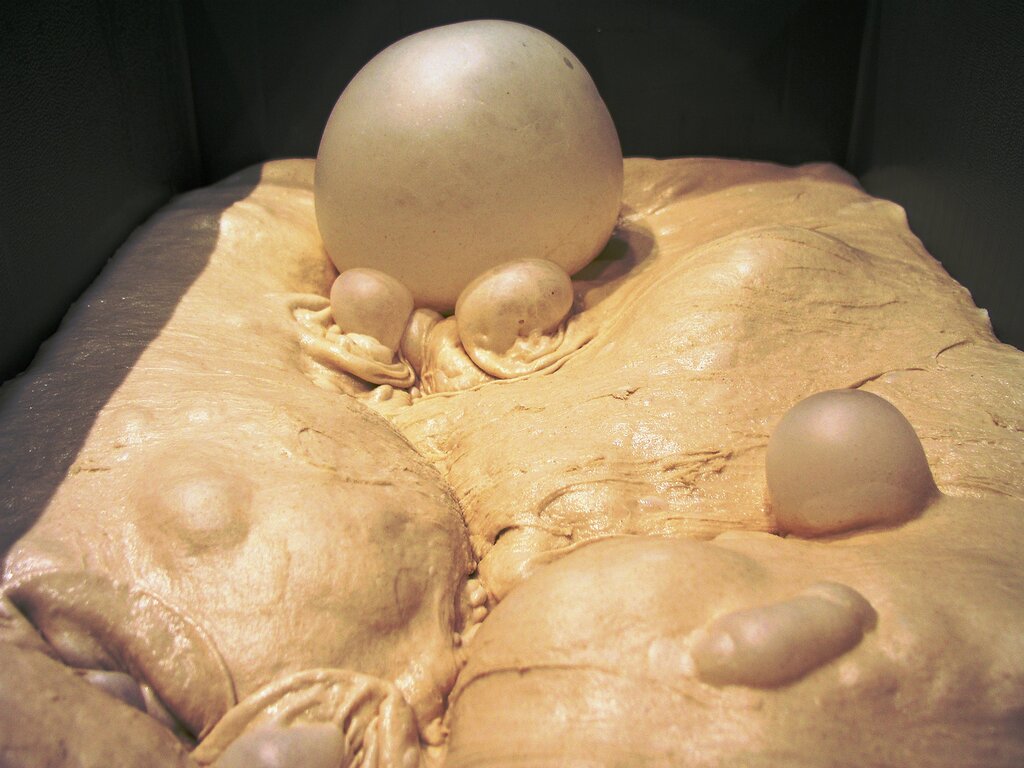
Yeast is the magic ingredient. It’s a living microorganism that eats the sugars in the flour and releases carbon dioxide gas as a byproduct. These tiny gas bubbles get trapped in the gluten network, causing the dough to inflate or “rise.” This process, called fermentation, not only gives the crust an airy, light texture but also develops complex, savory flavors.
There are a few types of yeast, but instant yeast and active dry yeast are the most common for home bakers. Instant yeast can be mixed directly with the dry ingredients, while active dry yeast usually needs to be dissolved in warm water first to “wake it up.”
Flavor and Control
Water might seem like a simple ingredient, but its role is vital. It hydrates the flour, which allows the gluten network to form. The amount of water relative to the flour, known as the dough's hydration, directly affects the texture. A higher hydration dough is stickier and harder to handle but often bakes into a lighter, airier crust with bigger holes.
Salt does more than just make the dough taste good. It also tightens the gluten structure, strengthening the dough and making it less sticky and easier to handle. Crucially, salt also regulates the yeast. It slows down fermentation, preventing the dough from rising too quickly, which allows for a longer, slower fermentation that develops more flavor.
Without salt, dough would taste flat and rise uncontrollably, leading to a weak structure that collapses easily.
Adding Richness
While not strictly necessary, many pizza dough recipes include a small amount of fat, usually olive oil. Fat enriches the dough, making the final crust softer and more tender. It also helps the crust brown nicely in the oven and adds a subtle layer of flavor that complements the other ingredients.
Some recipes also call for a pinch of sugar. The sugar isn't there to make the dough sweet. Instead, it acts as an easily accessible food source for the yeast, helping to kickstart the fermentation process. It can also contribute to a crispier, more golden-brown crust.
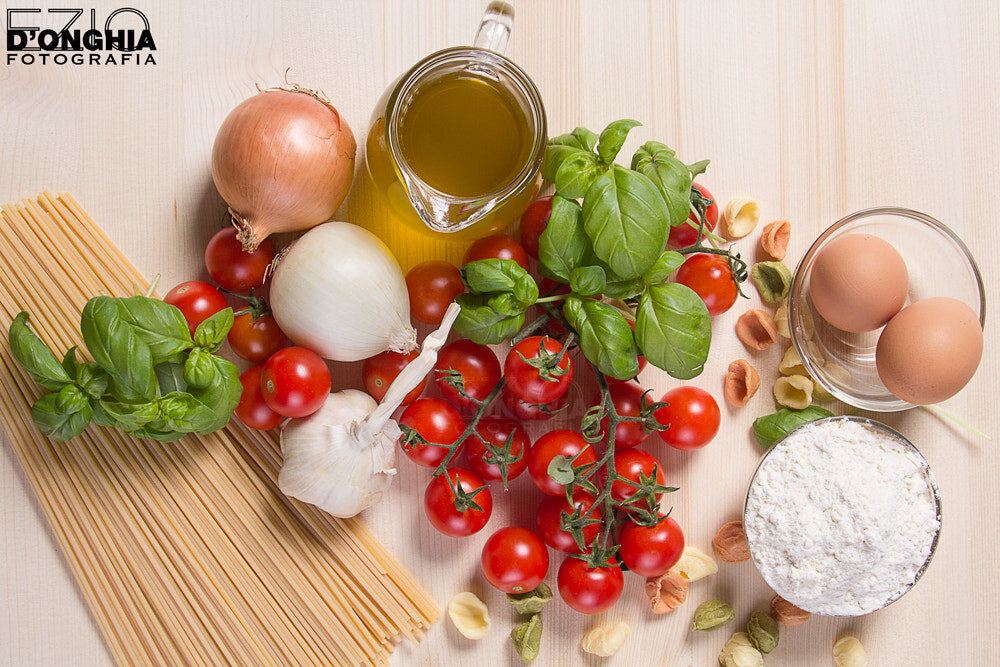
Now that you know the role of each ingredient, let's review the key terms.
Ready to test your knowledge?
What is the primary role of flour in pizza dough?
The process where yeast consumes sugars and releases carbon dioxide gas is called ________.
With these basics down, you have the foundation to not only follow a recipe but to understand why it works. You can start experimenting with confidence, knowing how each component contributes to the final slice.