Mastering Physical Inventory Counts
Inventory Basics
What Is Inventory?
At its core, inventory is all the goods and materials a business holds for the ultimate purpose of resale. Think of it as a company's stored-up value, waiting to be sold to customers. It's more than just products on a shelf; it's a critical asset listed on a company's balance sheet, just like cash or buildings.
Inventory
noun
The raw materials, work-in-progress products, and finished goods that are considered to be the portion of a business's assets that are ready or will be ready for sale.
Whether it's a small coffee shop tracking cups and coffee beans or a massive car factory managing steel and tires, every business that sells a physical product deals with inventory. Managing it well is the foundation of a healthy operation.
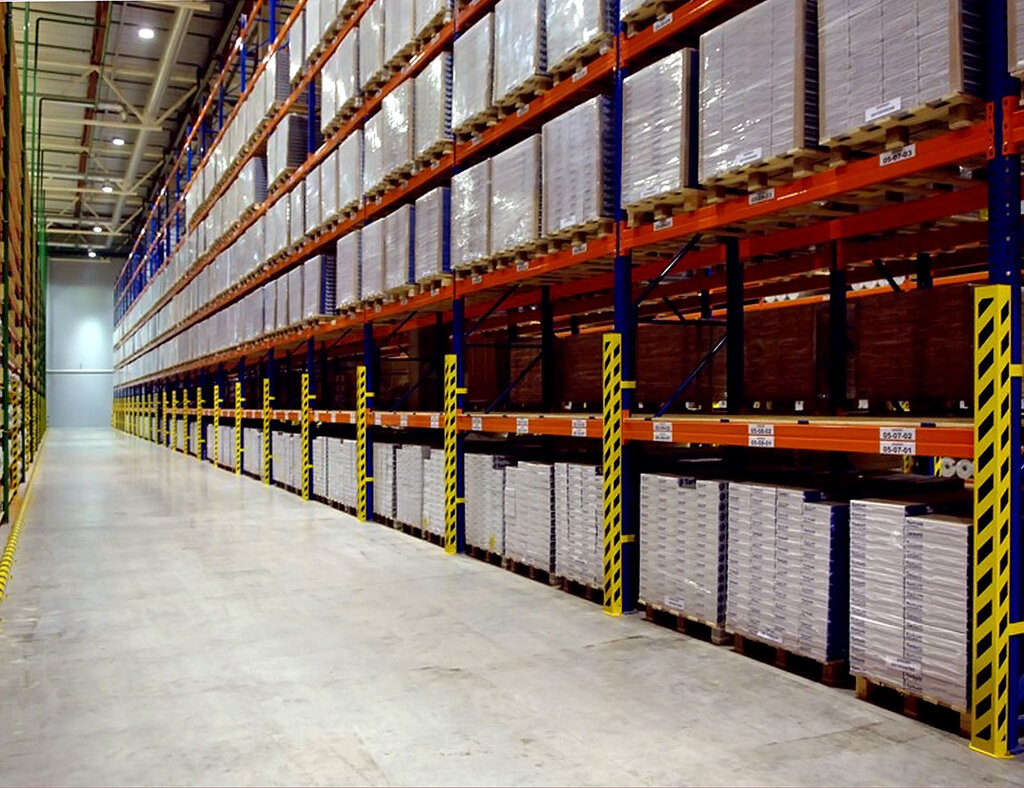
The Three Main Types
Inventory isn't a single category. It exists in different stages of production, and we usually group it into three main types.
Raw Materials: These are the basic components used to make products. For a bakery, this would be flour, sugar, and eggs. For a furniture maker, it's lumber, screws, and varnish.
Work-in-Progress (WIP): This is inventory that has started the production process but isn't finished yet. It's the half-baked cake or the partially assembled wooden chair. WIP includes the cost of raw materials plus any labor that's been applied.
Finished Goods: These are completed products ready for sale. The decorated cake in the display case or the polished chair on the showroom floor are finished goods.
Let's trace the journey of a simple product, like a wooden table, through these stages.
Why Inventory Matters
So, why is tracking these different types so important? Because inventory sits at the heart of a business's operations. Effective management ensures a smooth flow from raw materials to a happy customer.
For sales, you can't sell what you don't have. Having the right amount of finished goods on hand means you can meet customer demand without delay. For production, you can't make products without the right components. A shortage of a single screw can halt an entire assembly line.
From a financial perspective, inventory is money. It's cash that has been used to buy materials, sitting in a warehouse instead of a bank account. While necessary, too much inventory ties up money that could be used for other things, like marketing or expansion.
Inventory is potential revenue. The goal is to turn it into actual revenue as efficiently as possible.
This brings us to the importance of accuracy. Knowing exactly what you have, where it is, and what stage it's in is non-negotiable. An inaccurate inventory count can lead to serious problems.
Imagine your system says you have five laptops in stock. A customer orders one online. You go to the stockroom and find only two. Now you have an angry customer, a canceled sale, and a damaged reputation. Or, imagine your records say you have enough wood for 100 tables, but you only have enough for 50. Production stops halfway through, wasting time and money.
Inventory accuracy allows a business to make reliable promises to customers, plan production schedules effectively, and make smart financial decisions. Without it, you're just guessing.

Ready to test your knowledge of these fundamental concepts?
On a company's balance sheet, inventory is classified as what?
A company's inventory system shows 20 units of a popular product, but a physical count reveals there are only 5. What is the most likely immediate consequence of this inaccuracy?
Understanding these core ideas is the first step toward mastering inventory management. They provide the 'why' behind the processes of counting and control.