Mastering Photography Fundamentals
Introduction to Photography
The First Photographs
At its core, photography is all about capturing light. The earliest version of a camera, known as the camera obscura, did just that. It was a dark room or box with a tiny hole on one side. Light from outside would pass through the hole and project an upside-down image onto the opposite wall. People could trace these projections, but they couldn't preserve them.
The real breakthrough came in the 1820s when Joseph Nicéphore Niépce, a French inventor, managed to create the first permanent photograph. His process was slow and the result was fuzzy, but it was a monumental achievement. It proved that an image made by light could be fixed in place.
From there, technology advanced rapidly. Early methods like daguerreotypes gave way to film photography, which made cameras smaller and more accessible to everyone. The invention of roll film by George Eastman in the 1880s put a camera in the hands of everyday people for the first time.
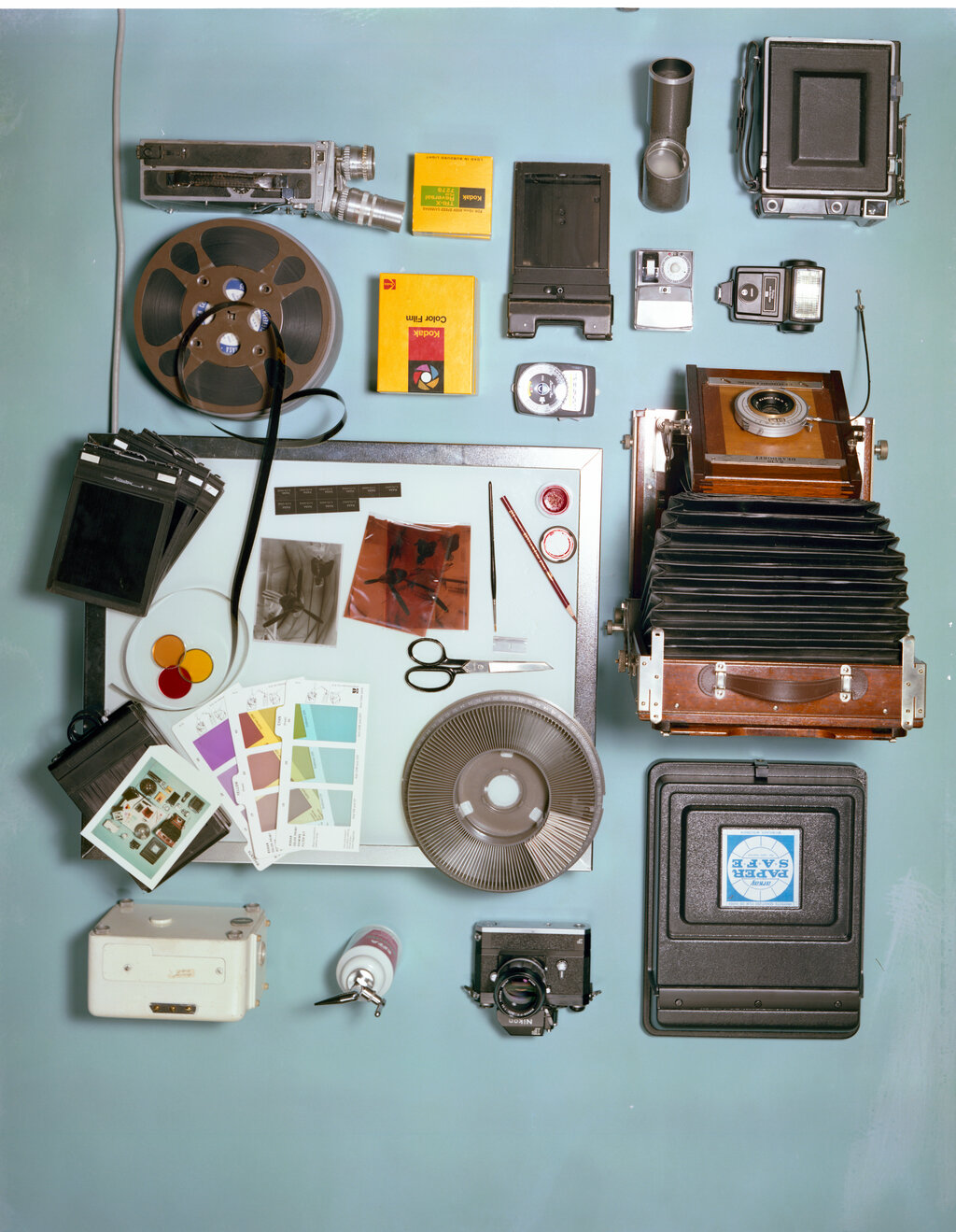
The next great leap was the digital revolution. Instead of capturing images on chemical-coated film, digital cameras use electronic sensors. This shift eliminated the need for darkrooms and made photography instant. Today, the powerful cameras in our phones are a direct result of this long history of innovation.
Inside a Modern Camera
Despite all the technological changes, the basic function of a camera remains the same: it's a tool to control light. Every digital camera, from a professional DSLR to the one on your phone, has a few key components that work together to create an image.
Lens
noun
An optical device that gathers light from a subject and focuses it onto the camera's sensor.
Think of the lens as the camera's eye. It’s made of a series of glass elements that bend light rays to form a sharp image.
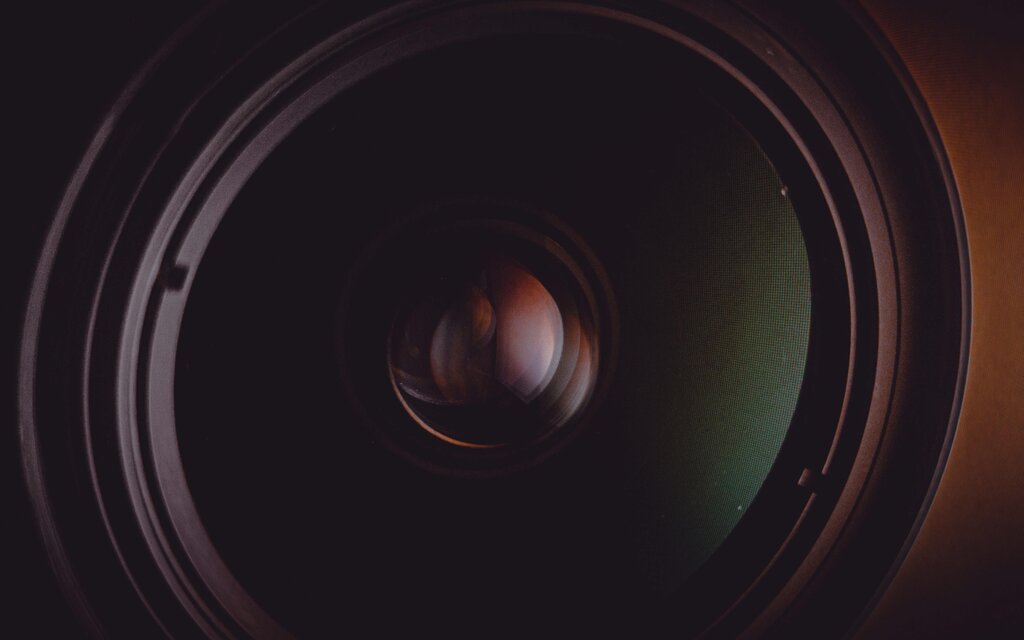
Inside the lens is the aperture, an adjustable opening that controls how much light passes through. The shutter is like a curtain in front of the sensor; it opens for a specific amount of time to let light in. Finally, the image sensor is the digital equivalent of film. It's a grid of millions of tiny light-sensitive diodes that record the image.
Photography as Storytelling
A photograph is more than just a record of what was in front of the lens. It’s a powerful tool for communication and storytelling. A single image can convey a complex emotion, document a historical moment, or share a unique perspective on the world.
Photographers make deliberate choices to tell a story. They decide what to include in the frame and what to leave out. They choose the moment to press the shutter, freezing an instant in time. This act of selection is what turns a simple snapshot into a compelling narrative.
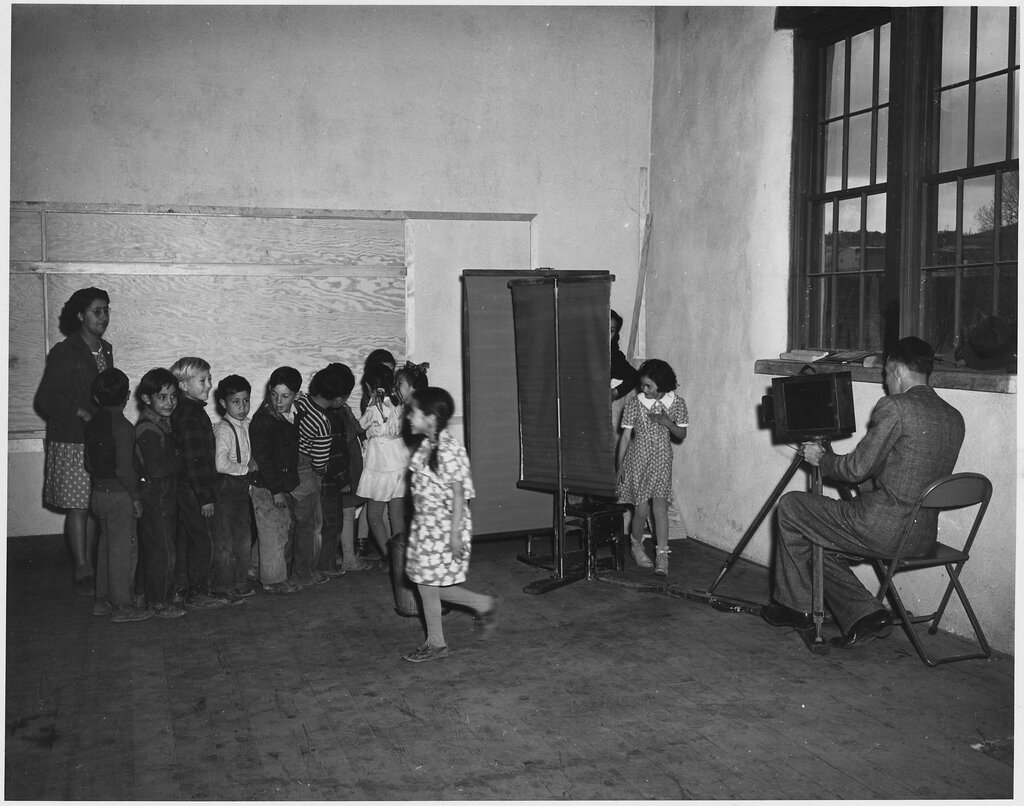
Whether it's photojournalism that brings global events to our attention, a family portrait that captures a relationship, or an abstract image that explores color and form, photography gives us a way to share our experiences and see the world through someone else's eyes. It preserves memories and creates a visual language that can be understood across cultures.
What was the main limitation of the earliest camera, the camera obscura?
Who is credited with creating the first permanent photograph?
Now that you understand the basics of what a camera is and how it came to be, you're ready to start learning how to control it to create your own images.