Mastering Photography Fundamentals
Introduction to Photography
The Art of Seeing
At its heart, photography is the art of capturing light. The word itself comes from Greek roots meaning "drawing with light." It’s a way to freeze a moment in time, tell a story, or share a perspective without using a single word. Whether you're snapping a photo of a birthday cake or a dramatic sunset, you're using light to create a lasting image.
Photography
noun
The art and process of creating images by recording light, either electronically by means of an image sensor, or chemically by means of a light-sensitive material such as photographic film.
Every photograph is a combination of a few key ingredients. Understanding these fundamentals is the first step toward taking pictures you’re proud of. It’s less about the gear you have and more about how you see the world around you.

Light Is Your Main Ingredient
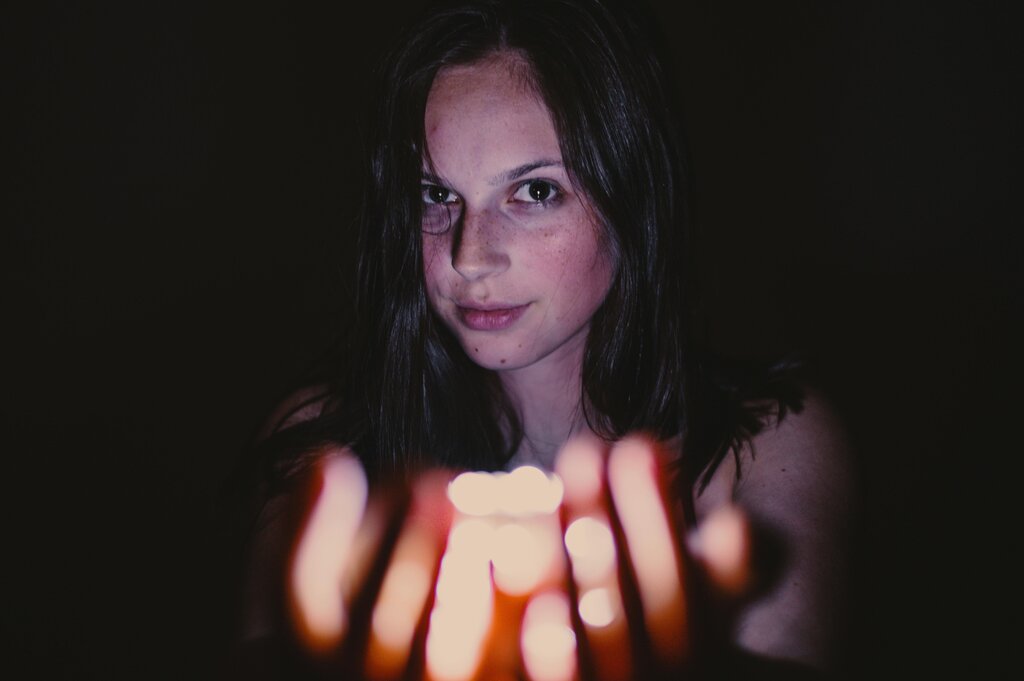
Without light, there is no photograph. It’s the single most important element. The quality and direction of light can dramatically change the mood and message of your image. A photo taken on a bright, sunny day feels very different from one taken on a cloudy, overcast afternoon.
Think about the difference between hard light and soft light. Hard light, like direct sunlight at noon, creates sharp, well-defined shadows and high contrast. It can feel dramatic and intense. Soft light, common on an overcast day or in the shade, creates gentle shadows and smooth transitions. It’s often more flattering for portraits.
The direction light comes from also matters. Light from the front can flatten a subject, while light from the side reveals texture and creates a sense of three-dimensionality.
Find a Clear Subject
Every great photo has a purpose, a main point of interest that draws the viewer's eye. This is your subject. A clear subject answers the question, "What is this a picture of?"
Your subject could be anything: a person, a building, a flower, or even an interesting shadow. The key is to make it obvious to the viewer what you want them to look at. A confusing or cluttered image often lacks a single, strong subject. Before you press the shutter button, ask yourself what the main character of your photo is. Then, do everything you can to make it stand out.

Arrange the Elements
Once you have your subject and your light, the final step is to arrange everything in the frame. This is called composition. Composition is how you organize the elements of a scene to create a balanced and visually pleasing image. It’s how you guide the viewer’s eye through the photograph.
One of the most well-known compositional guides is the Rule of Thirds. Imagine your frame is divided into nine equal squares by two horizontal and two vertical lines. The rule suggests placing your subject not in the center, but along these lines or at their intersections. This often creates a more dynamic and interesting photo than a perfectly centered subject.
The Rule of Thirds is just a guideline, not a strict rule. But it's a great starting point for thinking more deliberately about where you place things in your photo.
Use techniques like the rule of thirds, leading lines, and framing to create visually appealing and balanced compositions.
Now that you understand the basic building blocks of a photograph, let's test your knowledge.
The word "photography" has Greek roots that essentially mean...
To create a more dynamic and visually interesting photograph, the Rule of Thirds suggests placing your subject directly in the center of the frame.
Grasping these three elements—light, subject, and composition—is the foundation of all photography.