Mastering Photography Essentials
Introduction to Photography
Capturing Light
At its heart, photography is simply the art of capturing light. The first photographers weren't snapping selfies; they were scientists and artists experimenting with how to permanently fix an image onto a surface. The journey began with the camera obscura, a dark room with a small hole that projected an outside scene upside down onto a wall. It was a fascinating trick of light, but the image was temporary.
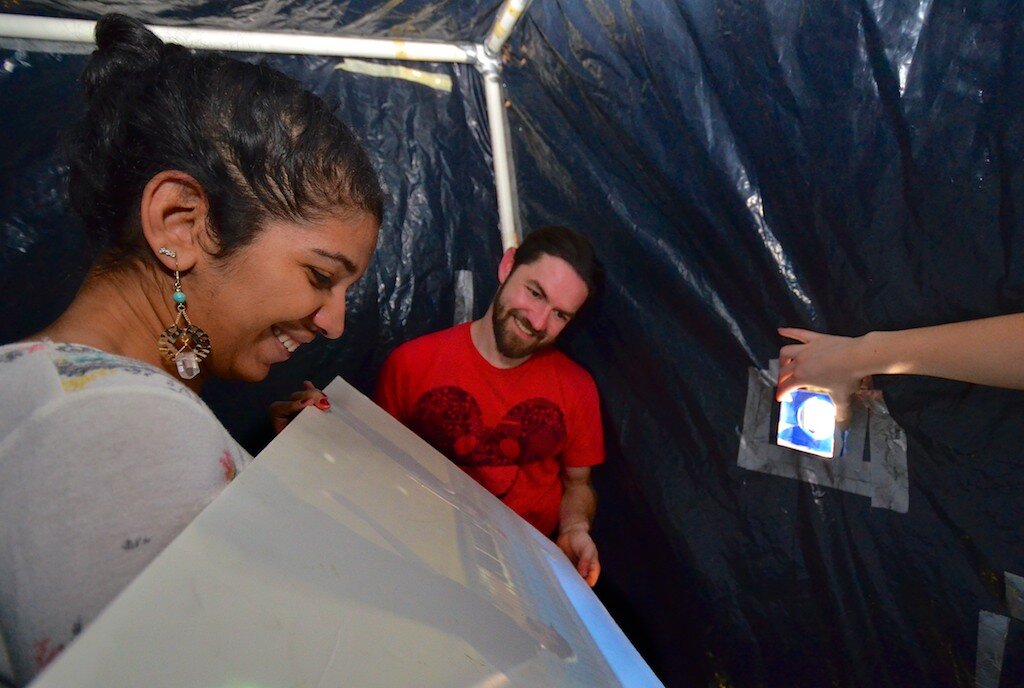
In the 1820s, French inventor Joseph Nicéphore Niépce managed to capture the first permanent photograph. It was a grainy view from his window that required an exposure time of several hours. This breakthrough, called heliography, kicked off a rapid series of innovations. Processes like the daguerreotype and calotype made photography more practical, and soon, portraits were no longer exclusively for painters.
The next major leap was film. George Eastman introduced the Kodak camera in 1888 with the slogan, "You press the button, we do the rest." This made photography accessible to everyone. For a century, film dominated the world of image-making, from family snapshots to iconic news photos. Then, in the late 20th century, the digital revolution changed everything again, replacing chemical film with electronic sensors.
Anatomy of a Camera
Whether it's a vintage film camera or the latest smartphone, all cameras work on the same basic principles. They are essentially light-proof boxes that control how light reaches a light-sensitive surface. Let's break down the key parts you'll find in most cameras.
Body: The main chassis of the camera. It houses all the internal components and protects them from the elements.
Lens: The eye of the camera. It's a series of glass elements that focus light from a scene onto the sensor. The lens determines the field of view and magnification.
Sensor: In digital cameras, this is the electronic chip that captures the light and converts it into a digital image. In film cameras, this is where the film sits.
Aperture: An adjustable opening inside the lens, much like the iris of your eye. It controls how much light passes through the lens. A wider aperture lets in more light, while a smaller one lets in less.
Shutter: A curtain in front of the sensor that stays closed until you take a picture. When you press the shutter button, it opens for a specific amount of time, exposing the sensor to light.
Choosing Your Camera
Today, there's a camera for every need and budget. While smartphones have made photography incredibly convenient, dedicated cameras still offer superior quality and control.
| Camera Type | Key Feature | Best For |
|---|---|---|
| DSLR | Optical viewfinder & interchangeable lenses | Enthusiasts, professionals |
| Mirrorless | Electronic viewfinder & interchangeable lenses | Travel, everyday shooting |
| Point-and-Shoot | Compact size & fixed lens | Casual users, simplicity |
| Smartphone | Ultimate convenience & connectivity | Spontaneous moments |
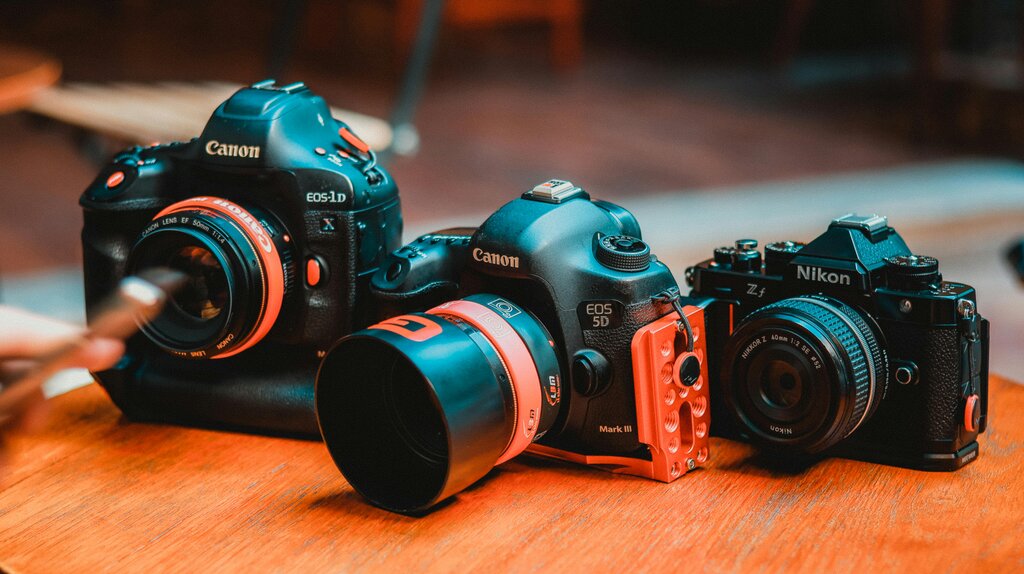
The biggest difference between DSLRs and mirrorless cameras is how you see the image. A DSLR (Digital Single-Lens Reflex) uses a mirror to reflect the exact image from the lens into an optical viewfinder. A mirrorless camera sends the image directly from the sensor to an electronic viewfinder or the back screen. This allows mirrorless cameras to be smaller and lighter.
A Lens for Every Scene
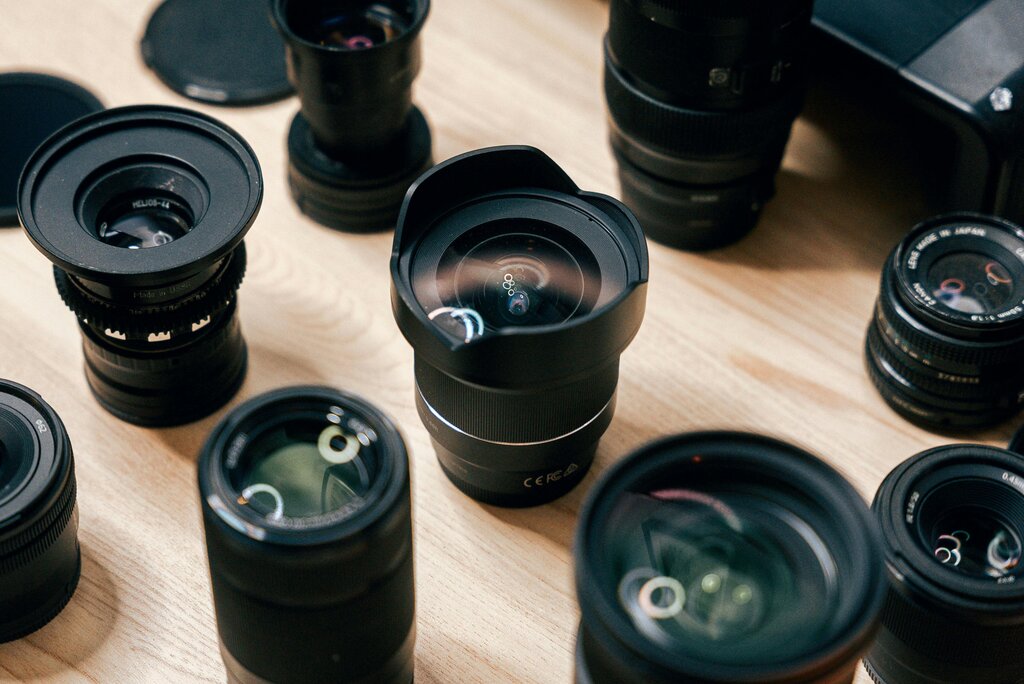
If you use a DSLR or mirrorless camera, the lens you choose has a huge impact on your final image. Lenses are defined by their focal length, measured in millimeters (mm), which determines the angle of view and magnification.
Focal Length
noun
The distance from the optical center of a lens to the camera's sensor. It determines how 'zoomed in' a picture will look.
There are two main categories of lenses:
Prime Lenses: These have a fixed focal length. You can't zoom in or out. They are often sharper and have wider apertures, making them great for low-light situations and creating a blurred background (bokeh).
Zoom Lenses: These offer a range of focal lengths, giving you the flexibility to frame your shot without moving your feet. A common kit lens might be 18-55mm, covering everything from wide-angle to a short zoom.
Within these categories, you'll find specialized lenses for different purposes:
| Lens Type | Typical Focal Length | Common Use |
|---|---|---|
| Wide-Angle | 14-35mm | Landscapes, architecture |
| Standard | 35-70mm | Street photography, portraits |
| Telephoto | 70-300mm+ | Sports, wildlife |
| Macro | 50-105mm | Extreme close-ups |
Understanding these building blocks—how a camera works, the types of cameras available, and the function of different lenses—is the first step toward taking control of your images. It’s the foundation for all the creative decisions you'll make as a photographer.