Mastering Photography Basics
Camera Basics
The Camera Body
The camera body is the main part of the camera, the box that holds everything together. Think of it as the brain and heart of the operation. It houses the most critical components for capturing an image.
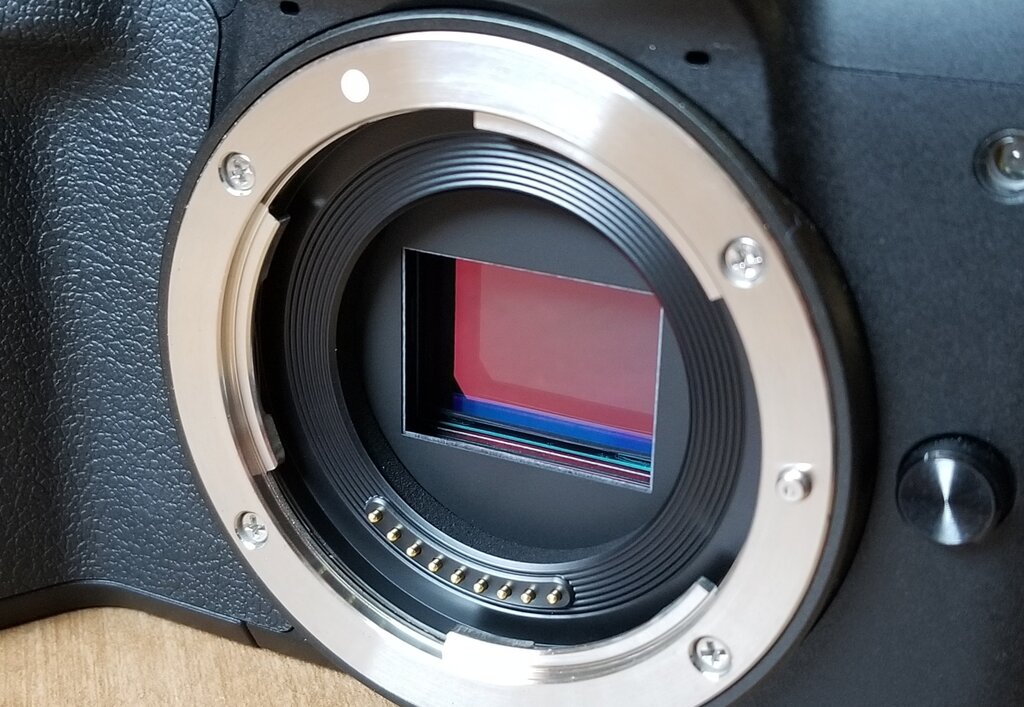
Inside the body, you'll find the image sensor. This is a small, rectangular chip that acts like digital film. When you take a photo, the sensor captures the light coming through the lens and converts it into a digital image.
The body also features all the primary controls. The most important one is the shutter button, which you press to take a picture. You'll also find dials to change settings, a screen on the back to review photos and navigate menus, and slots for the battery and memory card. The memory card is where your photos are stored.
Familiarize yourself with the feel of the shutter button. Most have a two-stage press: a half-press to focus and a full press to capture the image.
Lenses The Eyes of the Camera
If the camera body is the brain, the lens is the eye. Its job is to gather light from a scene and focus it precisely onto the image sensor. Different lenses provide different perspectives, making them one of the most powerful creative tools in photography.
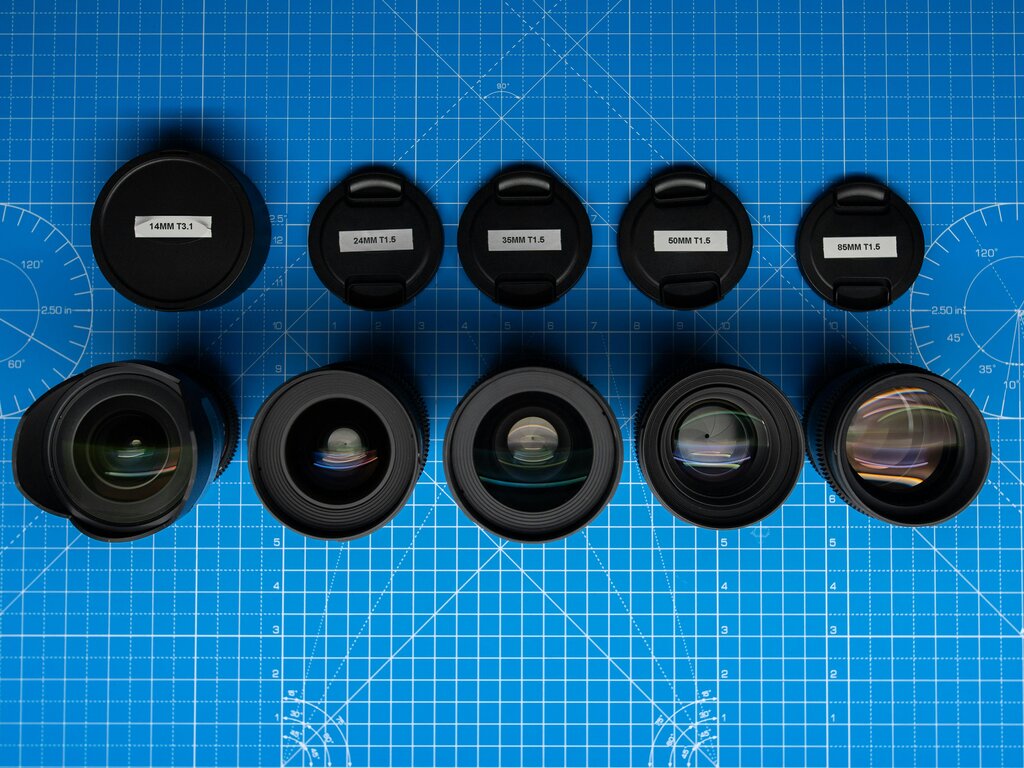
Lenses generally fall into two categories:
- Prime Lenses: These have a fixed focal length, meaning you can't zoom in or out. To change your framing, you have to physically move. The trade-off is that they are often sharper and perform better in low light.
- Zoom Lenses: These offer a range of focal lengths in one package. They're versatile and convenient, allowing you to go from a wide shot to a close-up without moving your feet. The lens that comes with most camera kits is usually a zoom lens.
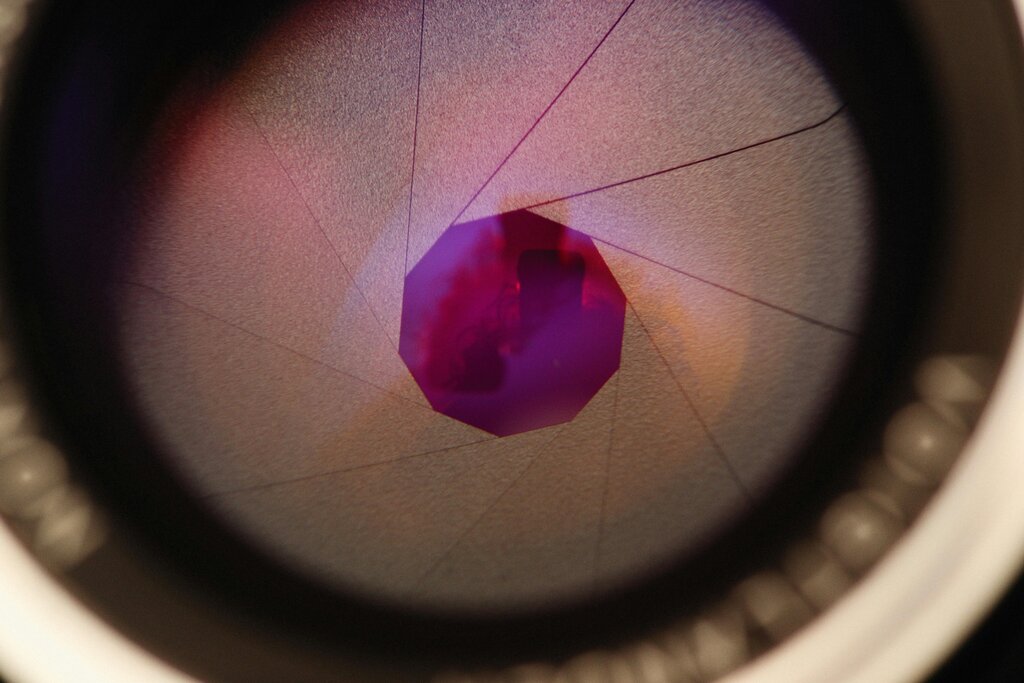
Most lenses have a focus ring for manual focusing and, if it's a zoom lens, a zoom ring to adjust the focal length. They also contain an aperture, which is a crucial component for controlling light.
Aperture
noun
An adjustable opening inside the lens that controls the amount of light reaching the sensor, similar to the pupil of an eye.
Composing Your Shot
Before you press the shutter button, you need to frame your picture. This is where the viewfinder and the LCD screen come in. They give you a preview of what your final image will look like.
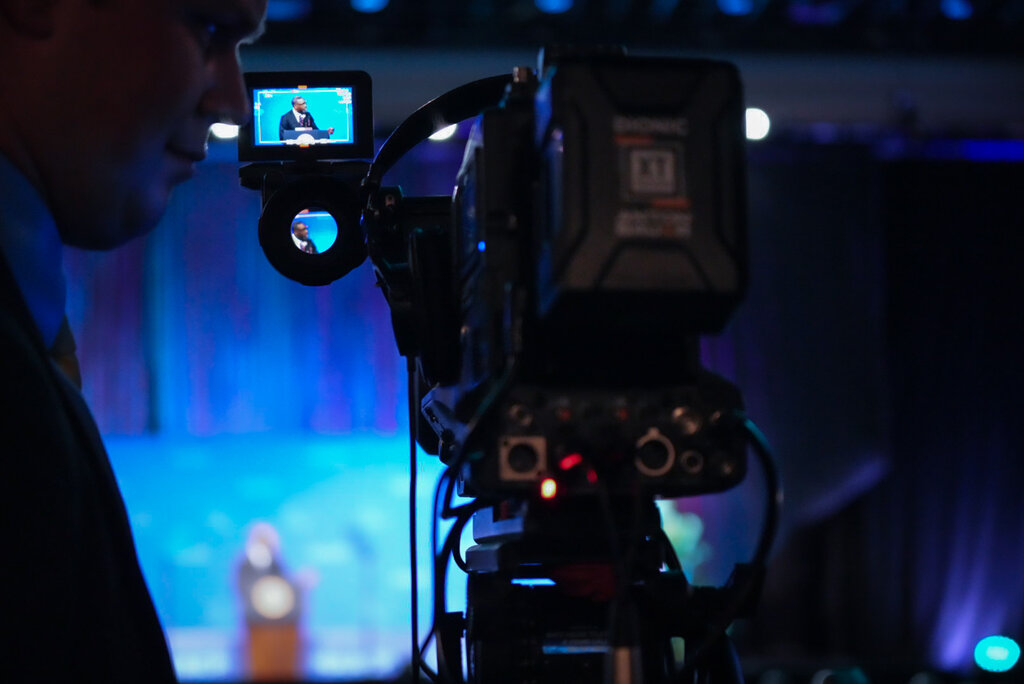
The viewfinder is the small window you look through to compose your shot. There are two main types:
- Optical Viewfinder (OVF): Found on DSLR cameras, an OVF uses a system of mirrors and a prism to show you exactly what the lens sees in real-time. It's a direct, unfiltered view.
- Electronic Viewfinder (EVF): Found on mirrorless cameras, an EVF is a tiny screen that displays a digital feed from the sensor. Its advantage is that it can show you exactly how the final image will look with your current settings applied, including brightness and color.
Alternatively, you can use the larger LCD screen on the back of the camera to compose your image, a feature often called "Live View." This is helpful when shooting from awkward angles where using the viewfinder is difficult.
Basic Care and Handling
Taking care of your camera ensures it will work reliably for years. Always use a camera strap to prevent accidental drops. When changing lenses, do it in a clean environment to prevent dust from getting onto the sensor. Point the camera body downwards during the change.
Keep your lenses clean by using a microfiber cloth and a blower to remove dust from the glass. Never touch the lens glass or the camera sensor with your fingers. Finally, store your gear in a padded camera bag to protect it from bumps, moisture, and extreme temperatures.
Always put the lens cap and rear cap on when a lens is not attached to the camera. This protects the delicate glass and internal components from dust and scratches.
Ready to test what you've learned about the parts of a camera?
What is the component inside the camera body that captures light and converts it into a digital image?
Which statement best describes the primary difference between a prime lens and a zoom lens?
Understanding these core components is the first step toward mastering photography. Knowing what each part does allows you to move beyond automatic settings and take control of your images.