Mastering Persuasive Argumentation
Understanding Persuasion
What is Persuasion?
At its core, persuasion is the art of influencing someone's beliefs, attitudes, or actions. It's not about forcing or tricking them. Instead, it’s a process of presenting information and ideas in a way that helps someone see a different point of view or feel motivated to take a certain step.
persuasion
noun
A process aimed at changing a person's (or a group's) attitude or behavior toward some event, idea, object, or other person(s), by using written, spoken, or visual methods.
We encounter persuasion every day. A friend convincing you to try a new restaurant, a movie trailer making you want to see the film, or a charity asking for a donation are all forms of persuasion. It's a fundamental part of human interaction, helping us navigate social situations, make decisions, and collaborate with others. The goal is to create a willing change, not to demand compliance.
The Psychology Behind It
Persuasion works because it taps into basic human psychology. Certain principles act as mental shortcuts that guide our decisions. Understanding these can help you see why some arguments are more effective than others.
One key principle is reciprocity. When someone gives us something, we feel an urge to give something back. A free sample at a store often makes you feel more inclined to buy the product.
Another is social proof. We often look to others to decide how to act. If a restaurant is full of people, we assume the food is good. Online reviews work on the same principle. We trust the collective wisdom of the crowd.
We also rely on authority. We tend to trust people who are experts or in positions of power. We follow a doctor's medical advice or a financial advisor's investment tips because we believe in their credibility.
Finally, scarcity creates a sense of urgency. When something is limited, whether it's time or quantity, we want it more. "Limited-time offer" sales are a classic example of scarcity in action.
These psychological triggers aren't tricks; they are patterns in human behavior. Effective persuasion uses them to align a message with how people naturally think and feel.
Persuasion in Action
Once you know the principles, you'll start seeing them everywhere. Different fields rely on persuasion in specific ways.
In marketing, advertisers use scarcity with flash sales or social proof by highlighting how many people have already bought a product. Celebrity endorsements use the principle of authority, suggesting that if a famous person trusts the product, you can too.
In sales, a good salesperson builds rapport and trust, tapping into the principle of liking—we're more likely to buy from someone we like. They might also offer a free trial, which brings in reciprocity.
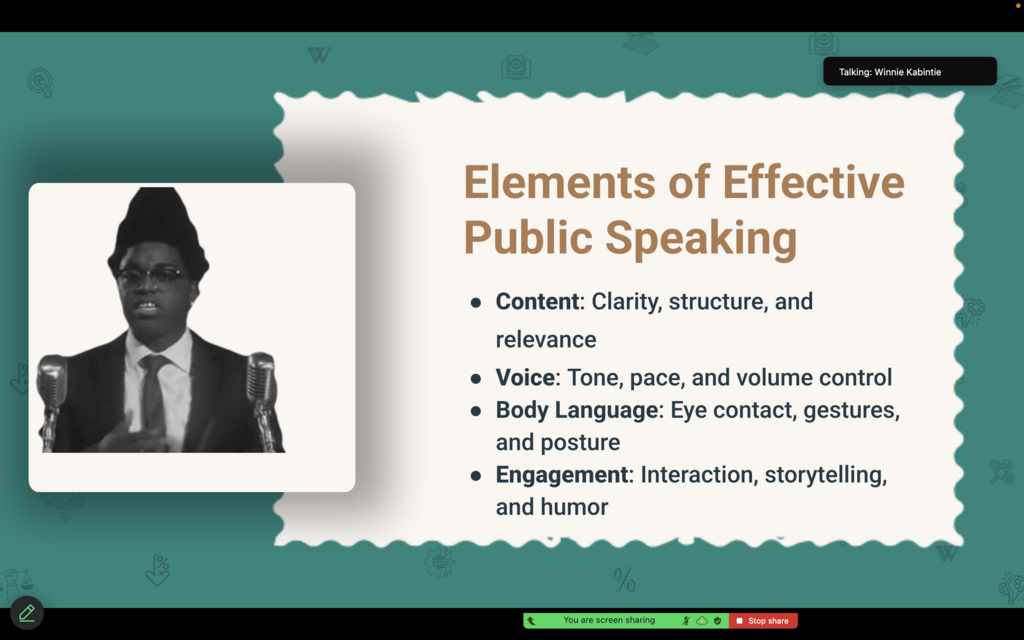
Public speaking is another area where persuasion is key. A speaker establishes their credibility (authority) at the beginning of a talk. They use stories to connect with the audience emotionally and data to make a logical case, all in an effort to guide the audience toward their point of view.
The Ethical Line
There's a crucial difference between persuasion and manipulation. Persuasion is about presenting your case honestly and transparently, respecting the other person's ability to choose. It aims for a win-win outcome where both parties benefit.
Manipulation, on the other hand, is deceptive. It involves hiding your true intentions, using false information, or preying on someone's emotions to get what you want, often at their expense. While manipulation might work in the short term, it erodes trust and damages relationships.
Ethical persuasion is about:
Influencing others
Helping them achieve what they want
Doing so with integrity and respect.
The foundation of ethical persuasion is respect for the other person's autonomy. It's about empowering them with information and perspective, not taking away their control. True influence is built on trust and mutual benefit, not on deception.
What is the primary goal of persuasion?
A concert promoter announces that 'only 100 tickets are left!' to encourage immediate purchases. Which principle of persuasion is being used here?
Persuasion is a powerful tool for communication. By understanding its basic principles and committing to ethical practices, you can communicate your ideas more effectively and build stronger connections with others.