Mastering Personal Style
Understanding Personal Style
What is Personal Style?
Personal style is more than just the clothes you wear. It’s a form of self-expression, a way to tell the world who you are without saying a word. Think of it as your own visual language. It’s how you combine clothes, accessories, and even your hairstyle to create a look that feels authentic to you.
Developing a personal style helps build confidence. When you wear an outfit that truly reflects your personality, you feel more comfortable and sure of yourself. It's not about following every new trend, but about discovering what makes you feel good and showcasing your individuality.
The Tools of Style
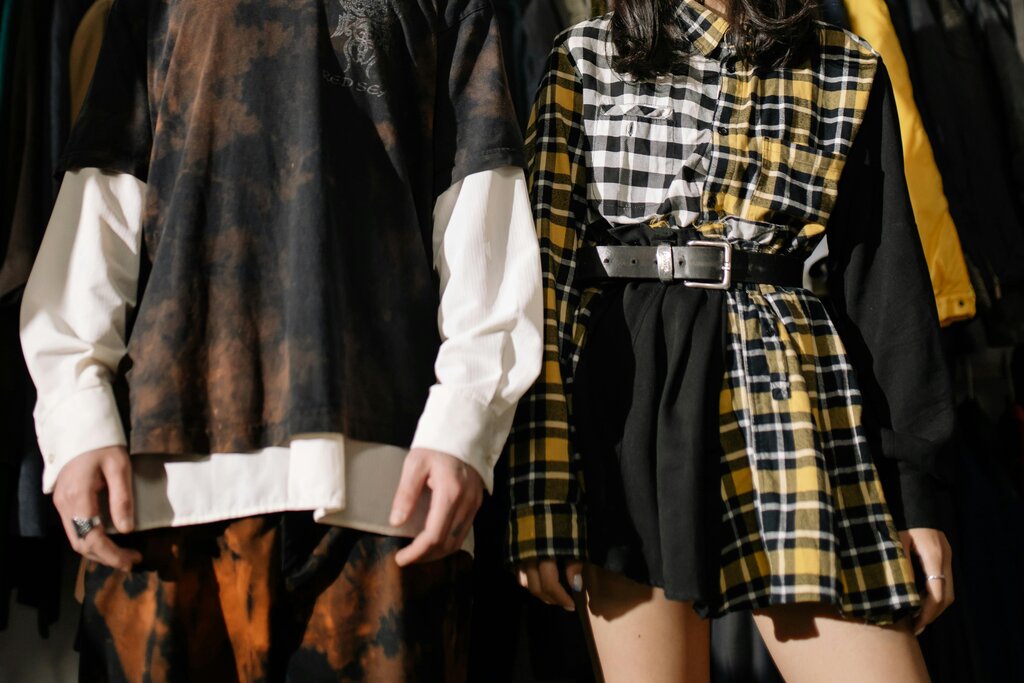
Creating a great outfit is a bit like creating a piece of art. Just as artists use principles of composition, you can use principles of fashion design to put together looks that are visually appealing. Understanding these concepts helps you see why some outfits work so well and gives you the tools to build your own.
We’ll explore six key principles: balance, proportion, emphasis, rhythm, unity, and contrast. You’re likely already using some of them without even realizing it.
Balance
noun
Refers to the visual weight of an outfit. A balanced look feels stable and pleasing to the eye, ensuring that no single part of the outfit overpowers the rest.
There are two main types of balance in fashion.
-
Symmetrical balance is like a mirror image. If you were to draw a line down the middle of an outfit, both sides would be identical. Think of a classic button-down shirt and a pair of trousers.
-
Asymmetrical balance is more complex. The two sides of the outfit are different, but they still feel visually equal. An example would be a one-shoulder top or a dress with detailing on only one side, balanced by a simple bottom.
Proportion
noun
Concerns the relationship between the sizes and scales of different elements in an outfit, such as the length of a jacket compared to a skirt, or the size of a handbag relative to your frame.
Good proportion creates harmony. For instance, a long, flowing top might look best with slim-fitting pants to avoid overwhelming your silhouette. A common guideline is the rule of thirds, where an outfit is visually divided into thirds. A top might take up one-third of the look, while the bottoms take up the remaining two-thirds.
The key is to play with different combinations to see what creates the most pleasing silhouette for you.
Emphasis
noun
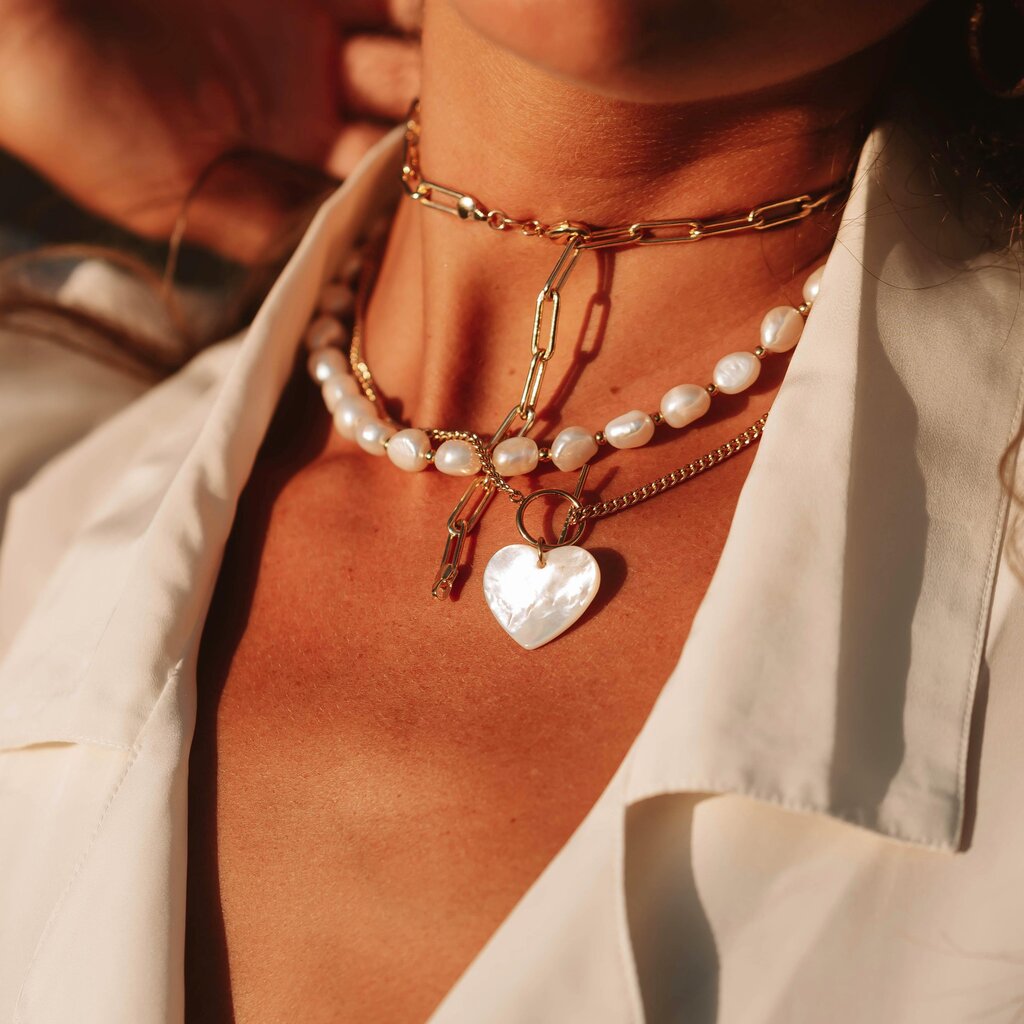
The creation of a focal point in an outfit. It's the one element that immediately draws the eye and holds attention.
Without emphasis, an outfit can feel boring. You can create a focal point with a bold color, a striking piece of jewelry, a unique pattern, or an interesting texture. The goal is to guide the viewer's eye to where you want it to go. Too many focal points can be confusing, so it’s often best to stick with one standout piece.
Rhythm
noun
The way the eye is guided through an outfit. It creates a sense of movement and flow, connecting the different parts of a look.
Rhythm can be achieved through:
-
Repetition: Repeating a color, pattern, or texture throughout the outfit. For example, matching the color of your shoes to your bag.
-
Gradation: A gradual change in an element, such as colors that transition from light to dark in an ombré pattern.
-
Lines: The lines of a garment, like vertical stripes or the draping of fabric, can direct the eye up and down or across the body.
Unity
noun
The feeling that all parts of an outfit work together to create a single, harmonious look. It's the sense of completeness.
Unity, also called harmony, is achieved when the principles of design are used effectively. An outfit has unity when its colors, textures, and shapes all feel like they belong together. A simple way to create unity is by working with a limited color palette or sticking to a specific style, like minimalist or bohemian.
Contrast
noun
The use of opposing elements to create visual interest and excitement. It prevents an outfit from looking flat.
Contrast can be created in many ways: pairing light and dark colors, mixing rough and smooth textures (like denim and silk), or combining different patterns. While unity brings an outfit together, contrast is what makes it pop. The trick is to find the right amount of contrast to add excitement without creating chaos.
Putting It All Together
These principles are not rigid rules but flexible guidelines. The most interesting styles often come from knowing when to follow them and when to break them. Start by paying attention to outfits you admire, whether on the street, in magazines, or online. Try to identify which principles are at play.
As you get dressed, think about creating a focal point with emphasis, or ensuring your look feels cohesive through unity. Experiment with different proportions and see how they change your silhouette. By consciously applying these ideas, you can move beyond simply wearing clothes to actively creating a style that is intentional, confident, and uniquely yours.
Ready to test your knowledge?
According to the text, what is the primary purpose of developing a personal style?
Pairing a simple, neutral-colored dress with a single, brightly colored statement necklace is a clear example of which design principle?
Understanding these core concepts is the first step toward defining and refining your own personal style. It's a creative process of discovery that lets you express who you are.