Mastering Personal Salesmanship
Introduction to Personal Selling
What Is Personal Selling?
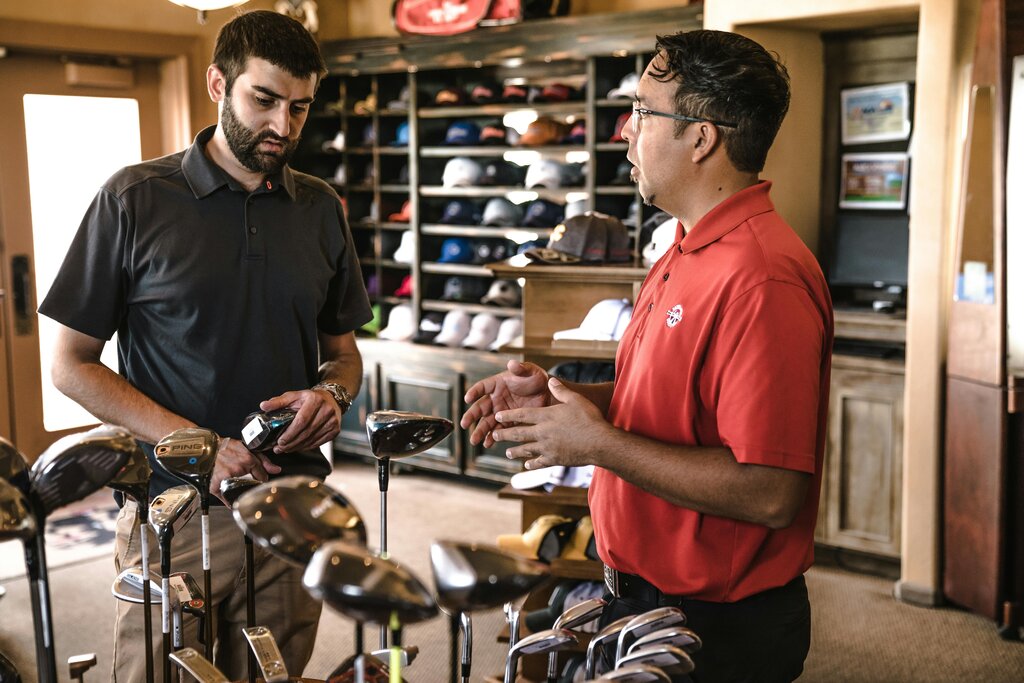
At its core, personal selling is a conversation. It's the direct interaction between a salesperson and a potential customer, whether it happens in a store, over a video call, or at a business conference. Unlike a billboard or a TV commercial that broadcasts a single message to everyone, personal selling is a dynamic, two-way dialogue.
The goal isn't just to sell a product, but to understand a specific person's needs and help them find the right solution. It’s about building a relationship, even if it’s a brief one.
Think of it as the difference between a lecture and a one-on-one tutoring session. The lecture gives information to the whole room, but the tutor addresses your specific questions and helps you understand the material in a way that makes sense to you.
This approach has a few key characteristics:
- It's Personal: The communication is tailored to the individual customer.
- It's Interactive: The salesperson can answer questions, address concerns, and get immediate feedback.
- It's Flexible: A salesperson can adapt their message and approach on the spot based on the customer's reactions.
- It's Relationship-Focused: The aim is to build trust and create a long-term connection, not just make a one-time sale.
Benefits for Everyone Involved
This tailored approach is powerful because it creates value for both the customer and the salesperson. It transforms a simple transaction into a positive experience.
For customers, the benefits are clear. They receive focused attention and can get their specific questions answered by an expert. This builds confidence and reduces the risk they might feel when making a purchase. Instead of sorting through endless online reviews, they can have a conversation with a real person who can guide them to the best choice for their situation.
Salespeople benefit, too. Through these direct conversations, they gain a much deeper understanding of what customers actually want and need. This firsthand feedback is incredibly valuable. It helps them build stronger, more loyal customer relationships, which often leads to repeat business and positive word-of-mouth.
Professional salesmanship is the practice of employing advanced techniques and strategies to effectively engage with potential and existing customers in order to drive sales and build enduring relationships.
Personal Selling vs. Other Methods
To understand personal selling better, it helps to see how it stacks up against other forms of promotion, like advertising or direct mail.
| Feature | Personal Selling | Advertising |
|---|---|---|
| Communication | Two-way, interactive | One-way, broadcast |
| Message | Customized and flexible | Standardized and fixed |
| Cost per Person | High | Low |
| Feedback | Immediate and direct | Delayed and indirect |
| Goal | Build relationships, solve problems | Build awareness, reach masses |
While advertising is great for reaching a large audience and building brand awareness, it can't adapt to an individual's questions. Personal selling excels where advertising falls short: creating a genuine connection and providing a tailored solution.
In today's market, where customers have more choices than ever, this human touch is a powerful differentiator. People crave genuine connection and expert guidance. Personal selling delivers both, making it a vital part of any modern sales strategy, whether for a small local shop or a large global company.
What is the primary characteristic that distinguishes personal selling from mass advertising?
According to the text, what is a key benefit for a salesperson who uses personal selling techniques?
That's a brief look at what personal selling is and why it matters. It's a foundational skill built on communication and understanding.