Mastering Personal Organization
Understanding Organization
What Is Organization?
Organization isn't just about having a tidy desk or a neat closet. At its core, it's about creating logical systems to manage your resources. These resources include not just physical items, but also your time, your energy, and your information.
Think of it as building a framework for your life. When you know where things belong and how different pieces fit together, you can navigate your day with more clarity and purpose. It's the skill of arranging elements into a cohesive, functional whole.
Organization
noun
The process of arranging and structuring items, tasks, or information in a systematic way to achieve efficiency and order.
Without organization, we're constantly reacting to our environment instead of controlling it. A good system allows you to retrieve what you need, when you need it, with minimal effort. This frees up mental energy for more important things, like creative thinking and problem-solving.
The Payoffs of an Organized Life
Developing organizational skills brings significant benefits to every part of your life. It streamlines your daily routines and clears the path for achieving bigger goals. In your personal life, this means less stress and more time for what you enjoy. At work, it translates to higher productivity and a stronger professional reputation.
A well-organized space, whether physical or digital, creates a sense of calm and control. When you're not wasting energy searching for lost keys or an important email, you feel more capable and less overwhelmed.
| In Your Personal Life | In Your Professional Life |
|---|---|
| Reduces stress and anxiety | Increases productivity and efficiency |
| Saves time looking for items | Helps meet deadlines reliably |
| Saves money by avoiding duplicates | Improves focus on important tasks |
| Creates a more peaceful home | Enhances professional reputation |
Ultimately, being organized is about being intentional. It's a proactive approach that empowers you to manage your responsibilities effectively, rather than feeling buried by them.
The Hidden Costs of Chaos
Disorganization isn't just a minor inconvenience; it carries real costs. The most obvious is wasted time. Think about the minutes that add up each day while you hunt for misplaced documents, emails, or even your wallet. This lost time erodes your productivity and adds unnecessary frustration to your day.
Beyond time, there's a financial toll. Disorganization can lead to late fees on forgotten bills, expired coupons, or repurchasing items you already own but can't find. It also creates significant mental clutter. A chaotic environment can lead to feelings of stress, anxiety, and being constantly overwhelmed, making it difficult to relax or focus.
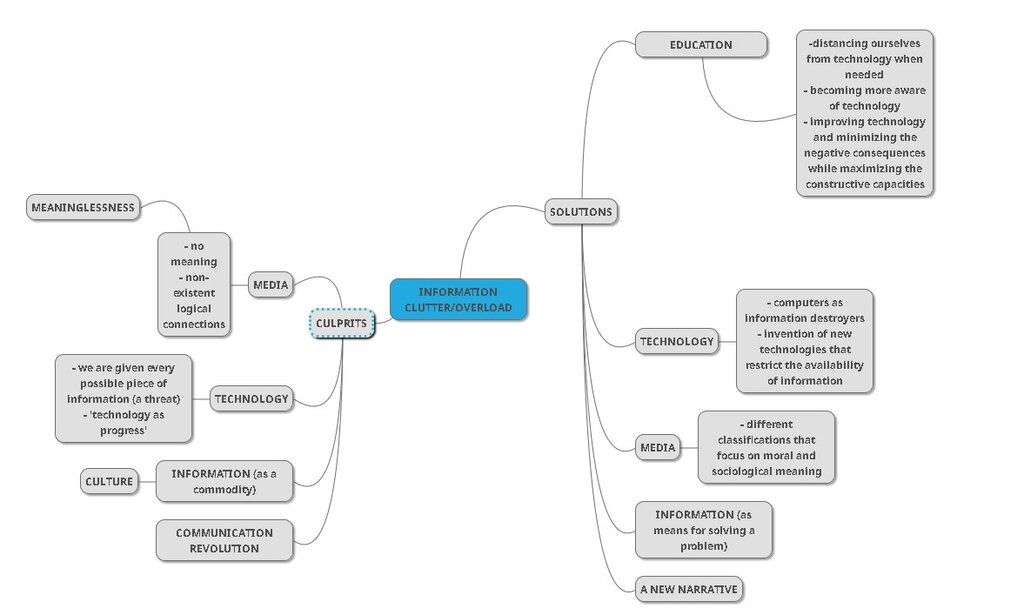
Professionally, the consequences can be even more severe. Chronic disorganization can result in missed deadlines, poor work quality, and a reputation for being unreliable. It can stall career growth and create friction with colleagues who may have to pick up the slack.
The true cost of disorganization is the mental and emotional energy it drains from you each day, preventing you from focusing on what truly matters.
The Building Blocks of Organization
Becoming an organized person isn't about adopting a single magic trick. It's about developing a set of foundational skills that work together. These skills are the pillars that support a structured and efficient life.
First is categorization, the ability to group similar things together. This applies to everything from sorting your laundry to organizing digital files into logical folders. When items are categorized, they become easier to find and manage.
Next comes systemizing, which is the art of creating repeatable processes. A system could be as simple as deciding on a designated spot for your keys or as complex as a workflow for managing client projects. Systems reduce the need for constant decision-making.
Planning is another crucial skill. This involves looking ahead to anticipate needs, set goals, and map out the steps required to achieve them. It turns reactive scrambling into proactive progress.
Finally, consistency is the glue that holds it all together. The best systems in the world are useless if they aren't maintained. Consistency is the habit of sticking to your organizational methods day in and day out, making them a natural part of your routine.
Mastering these skills allows you to build a personal organization system that fits your needs and, more importantly, that you can stick with for the long haul.
Now, let's check what you've learned about the fundamentals of organization.
At its core, what is organization about?
Which of the following is considered a direct cost of disorganization?
Understanding these core concepts is the first step toward building a more organized, less stressful life. By recognizing the benefits and the skills involved, you're already on your way.