Mastering Personal Flexibility
Understanding Personal Flexibility
The Art of Bending Without Breaking
Life rarely follows a script. A planned outdoor wedding gets a forecast of thunderstorms. A key project at work is suddenly canceled. Your favorite cafe closes for good. When faced with the unexpected, we have a choice: we can remain rigid and frustrated, or we can adapt.
This ability to adapt is the core of personal flexibility. It’s the capacity to adjust your perspective, behaviors, and expectations when circumstances change. It’s not about giving up or lacking conviction. Instead, it’s about recognizing when a situation calls for a new approach and having the inner resources to pivot gracefully.
Personal flexibility is the skill of responding to life’s inevitable changes with openness rather than resistance.
Think of a deeply rooted willow tree. During a fierce storm, it bends with the wind, its branches swaying without snapping. A more rigid, brittle tree might stand firm for a while, but a strong enough gust will break it. In daily life, personal flexibility allows you to be the willow, weathering stressors and surprises without falling apart.
More Than Quick Thinking
You might have heard the term cognitive flexibility. This is a crucial mental skill that allows your brain to switch between different tasks or think about multiple concepts at once. It’s what helps you solve a puzzle by trying different strategies or learn a new rule in a game.
Personal flexibility includes this mental agility but goes much deeper. It’s a holistic trait that involves your thoughts, emotions, and actions. While cognitive flexibility is about how you think, personal flexibility is about how you respond as a whole person. It’s the difference between finding a new route to work during a traffic jam (cognitive flexibility) and accepting a sudden job loss with composure, reframing it as an opportunity for a new career path (personal flexibility).
| Cognitive Flexibility | Personal Flexibility | |
|---|---|---|
| Scope | Mental processes | Thoughts, emotions, and behaviors |
| Focus | Switching tasks and thoughts | Adjusting to life changes |
| Example | Speaking a second language | Moving to a new country and embracing its culture |
A Foundation for Resilience
The ultimate benefit of personal flexibility is its powerful link to psychological resilience—the ability to bounce back from adversity. Life is full of challenges, from minor annoyances to major crises. Resilience is what allows us to navigate these difficulties, learn from them, and continue moving forward.
Personal flexibility is a key ingredient of that resilience. When you're flexible, you don’t get stuck in one way of thinking or feeling. If a door closes, you can look for a window. This adaptive mindset prevents you from being overwhelmed by negative events. Instead of seeing a setback as a permanent failure, you’re more likely to view it as a temporary problem with a potential solution. This shift in perspective is crucial for emotional well-being.
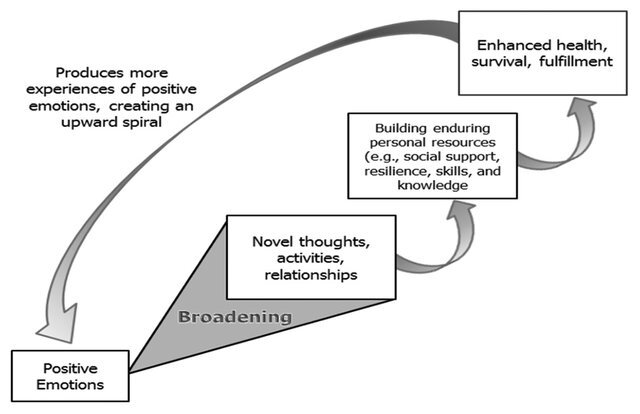
By embracing change and adjusting your approach, you reduce the chronic stress that comes from resisting reality. This not only helps you cope with difficult moments but also contributes to greater overall life satisfaction. You become the author of your responses, rather than a victim of your circumstances.