Mastering Personal Discipline and Mental Fortitude
Neurobiology of Willpower
The Brain's Tug of War
Self-control isn't just about moral strength; it's a neurological balancing act. The two key players are your Prefrontal Cortex (PFC) and your Amygdala. Think of the PFC as the brain's CEO. Located behind your forehead, it's responsible for long-term planning, rational decision-making, and impulse control. It's the part of you that chooses the salad when you're trying to eat healthier.
Then there's the Amygdala, the brain's ancient alarm system. It's focused on immediate threats and rewards—survival and pleasure. It's the voice screaming for the doughnut. When you face a tempting decision, these two regions engage in a biological tug of war. The winner determines your action.
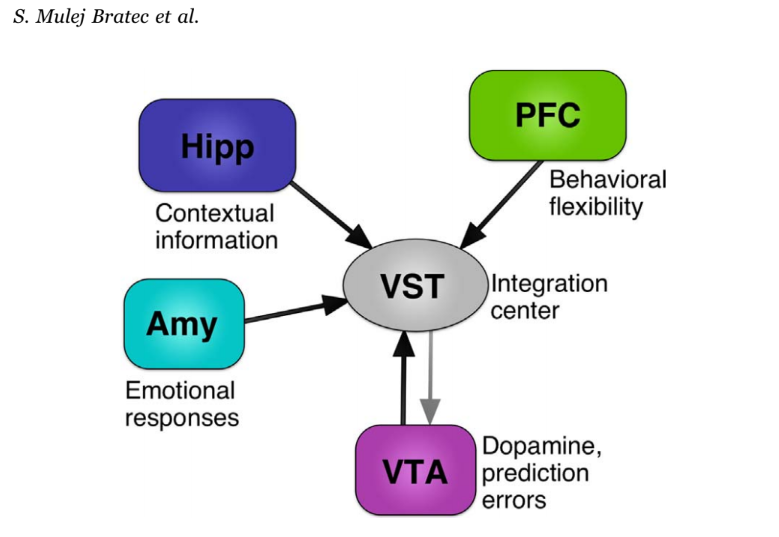
A key factor in this battle is your physiological state. When you're well-rested and calm, your PFC has the upper hand. But when you're stressed or tired, the Amygdala can override the PFC's careful planning. This is known as an amygdala hijack—an immediate, overwhelming emotional response that's out of proportion to the actual stimulus. Your rational brain is temporarily sidelined, and your impulsive, reactive brain takes control.
The Metabolic Cost of Control
Have you ever noticed it's harder to resist temptation at the end of a long, stressful day? That's not a failure of character; it's a feature of brain metabolism. The PFC is an energy-hungry region. Every decision you make, from choosing your breakfast to resisting the urge to check your phone, consumes metabolic resources, primarily glucose.
This phenomenon is often called —the idea that self-control is a finite resource that can be used up. Just like a muscle gets tired after a workout, your brain's capacity for self-regulation diminishes with use. This is why a day filled with tough decisions can leave you vulnerable to impulsive choices in the evening. Your PFC simply doesn't have the fuel left to fight the Amygdala's primal urges.
Willpower isn't a personality trait. It's a limited biological resource that needs to be managed like any other form of energy.
One way to measure this capacity for self-regulation is through Heart Rate Variability (HRV). HRV is the variation in the time interval between consecutive heartbeats. A high HRV is associated with a relaxed, resilient state and a well-functioning PFC. A low HRV, often caused by stress, fatigue, or poor health, indicates that your body's 'fight or flight' system is dominant. In this state, your Amygdala has more influence, and your willpower is consequently lower. This makes HRV a surprisingly accurate biomarker for your moment-to-moment self-control reserves.
The Dopamine Drive
Willpower is also a story about neurochemistry, and the main character is . Often misunderstood as the 'pleasure chemical', dopamine is more accurately described as the 'motivation chemical'. It's what drives you to seek rewards and repeat behaviours that lead to them.
Your brain releases dopamine in anticipation of a reward, not just upon receiving it. This creates a powerful feedback loop. The sight of a chocolate cake, the notification sound from your phone, or the thought of a cigarette can trigger a dopamine surge. This surge creates a craving—a motivational state that pushes you to act. Your PFC has to work overtime to inhibit the impulse generated by this dopaminergic drive. If your willpower reserves are already low (ego depletion), the dopamine-driven craving is much more likely to win.
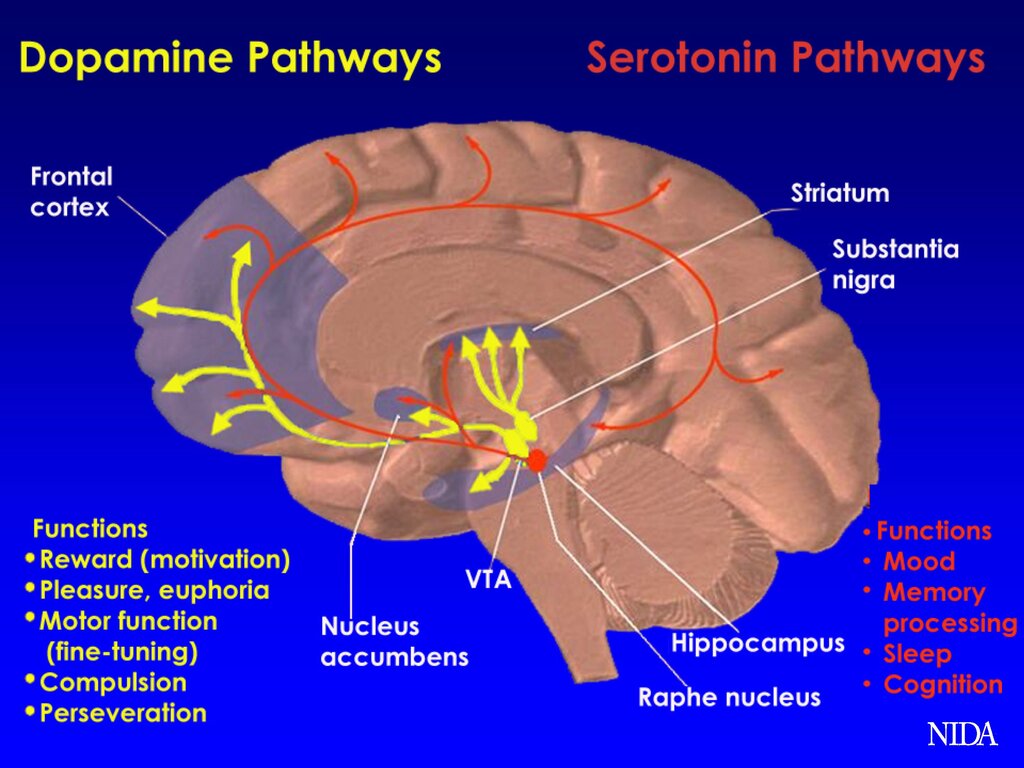
Chronic stress creates a particularly damaging cycle. Stress elevates cortisol, which weakens the PFC and strengthens the Amygdala over time. A stressed brain becomes more reactive and less reflective. It gets better at spotting threats and worse at long-term planning. This neurobiological shift makes it physically harder to exert self-control, as the very brain structures required for it are being compromised.
Understanding these mechanisms is the first step toward better self-regulation. Instead of just trying harder, you can work smarter by managing your brain's finite resources. This involves reducing decision fatigue where possible, managing stress levels, and ensuring your brain is metabolically supported through proper rest and nutrition. Discipline isn't about having infinite willpower; it's about intelligently managing the willpower you have.
What are the primary roles of the Prefrontal Cortex (PFC) and the Amygdala in the context of self-control?
According to the concept of 'ego depletion', why might you be more likely to make an impulsive purchase after a day full of difficult work decisions?