Mastering Personal Budgeting
Understanding Personal Budgeting
What Is a Budget?
A personal budget is simply a plan for your money. It's a way to see how much money you have coming in and decide how you'll spend it. Think of it like a roadmap for your finances. Without one, you're just driving around, hoping you end up somewhere you want to be. With a roadmap, you can steer your money toward your goals, whether that's saving for a vacation, paying off a credit card, or just having enough for groceries until your next paycheck.
Budget
noun
A plan that estimates income and expenses over a specific period, helping you manage your money effectively.
The main purpose is to give you control. Instead of wondering where your money went at the end of the month, a budget tells you exactly where it’s going. This clarity allows you to make conscious decisions about your spending and saving habits.
The Payoff of Planning
Maintaining a budget might sound like a chore, but the benefits are huge. The most immediate one is financial awareness. You gain a clear picture of your financial health, which is the first step toward improving it.
Budgeting is also a powerful tool for achieving your goals. By allocating specific amounts to savings or debt repayment, you create a clear path to get what you want. It transforms vague wishes like "I want to save more" into actionable steps.
Perhaps the most important benefit is reduced financial stress. Money worries are a major source of anxiety for many people. A budget provides a sense of security. It helps you prepare for unexpected expenses and feel confident that you can handle what life throws at you.
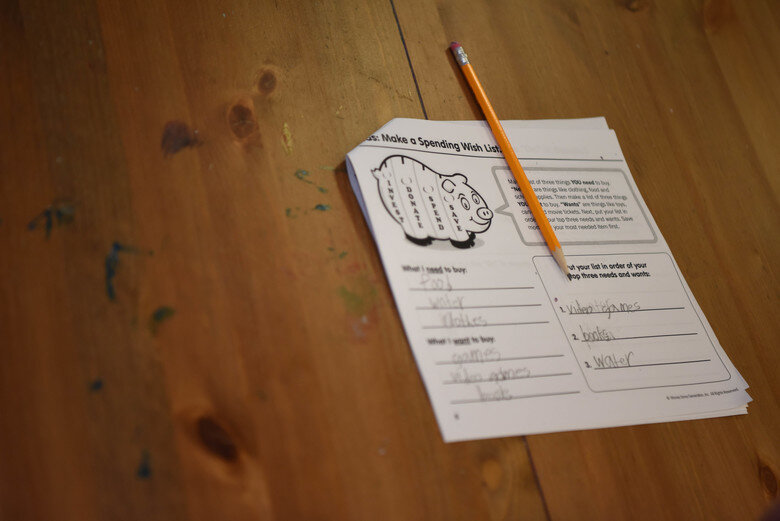
Creating a basic budget is the first step to taking control of your finances.
Common Budgeting Hurdles
If budgeting is so great, why doesn't everyone do it perfectly? People often run into a few common challenges and misconceptions. Let's clear them up.
| Myth | Reality |
|---|---|
| "Budgeting is too restrictive." | A budget doesn't restrict you; it empowers you. It's about telling your money what to do, not letting your spending habits control you. |
| "I don't earn enough to budget." | Budgeting is crucial at any income level. When money is tight, having a plan is even more important to make every dollar count. |
| "It's too complicated and time-consuming." | It doesn't have to be. A budget can be as simple as a few categories on a piece of paper. The initial setup takes some effort, but maintenance gets much faster. |
| "My spending is too irregular." | A budget can be flexible. It's a living document, not a rigid set of rules. You can and should adjust it when things change. |
The key is to view your budget not as a test you can fail, but as a tool to help you succeed. It’s about progress, not perfection. If you overspend in one area, you can adjust another. It’s your plan, and you can change it as your life changes.
What is the primary function of a personal budget?
What is the most immediate benefit of maintaining a budget, as described in the text?
A budget is the foundation of personal finance. By understanding what it is and why it matters, you’re ready to start building a stronger financial future.