Mastering Personal Branding
Introduction to Personal Branding
What Is a Personal Brand?
Think about your favorite brands. You probably associate them with certain qualities, feelings, or promises. A personal brand does the same thing, but for an individual. It’s the way you present yourself to the world—a unique combination of your skills, experiences, and personality that tells people who you are and what you stand for.
Your personal brand is how the world sees you—it’s your reputation, your voice, and the unique value you bring to the table.
In a crowded professional landscape, having a strong personal brand is no longer a luxury; it’s a necessity. It’s how you differentiate yourself from others in your field. It’s not about creating a fake persona or pretending to be someone you're not. In fact, it’s the opposite.
Authenticity is the cornerstone of a strong personal brand. The most successful brands are genuine reflections of the person behind them.
A well-crafted brand helps you build trust and credibility with potential employers, clients, and collaborators. It gives you a platform to share your expertise and shape your own career narrative.
Not Just a Modern Trend
While the term “personal branding” feels very modern, the concept is as old as civilization itself. Leaders, artists, and thinkers have always managed their public image to build influence and leave a legacy. Think of historical figures like Leonardo da Vinci, who wasn't just a painter but an inventor and a scientist—a 'Renaissance man' brand that he carefully cultivated.
The modern concept, however, was formally introduced in a 1997 Fast Company article by management expert Tom Peters titled 'The Brand Called You.' He argued that to thrive in the new economy, everyone needed to think of themselves as the CEO of their own company: Me Inc. Peters urged professionals to identify their unique strengths and actively market themselves.
The rise of the internet and social media then put these tools into everyone's hands. What once required a publicist or a publisher can now be done with a simple online profile. The core principle remains the same, but the speed and reach have changed dramatically.
Marketing Yourself
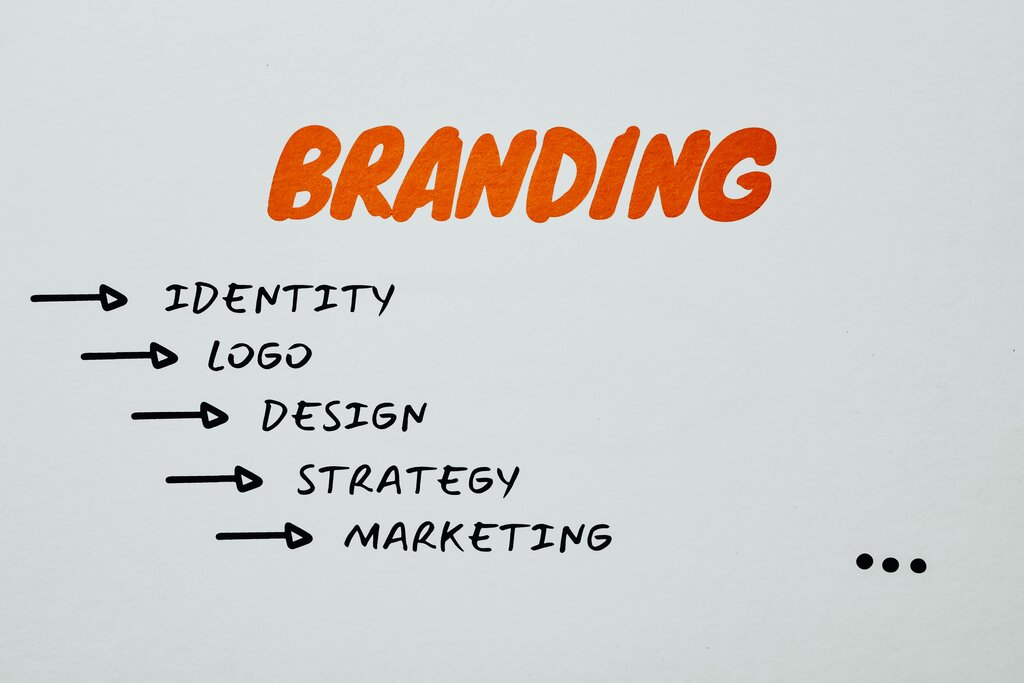
At its core, personal branding borrows principles directly from marketing. Just as a company markets a product, you market yourself. A key concept is the Unique Selling Proposition (USP). For a product, this might be a special feature or a lower price. For a person, it’s what makes you different. It’s the intersection of your skills, your passions, and what an audience or employer actually needs.
Beyond marketing, personal branding is also an act of what sociologists call self-presentation. The sociologist Erving Goffman described human interaction using a theatrical metaphor. He said we are all actors on a stage, managing the impressions we make on others. We behave differently with our boss than we do with our best friend. This isn't being fake; it's a natural part of social life.
Conscious personal branding takes this idea and applies it strategically to your professional life. It's about deciding which aspects of your 'self' you want to highlight for your career goals, and then presenting them consistently across different 'stages,' whether that's your resume, a networking event, or an online profile.
Why It Matters for Your Career
Investing time in your personal brand has a direct and powerful impact on your career development. A strong brand builds recognition and makes you more visible to opportunities. When people in your industry know who you are and what you're good at, they're more likely to think of you for a new role, a project, or a collaboration.
A strong personal brand doesn't just open doors—it has doors opened for you.
It also builds trust. By consistently sharing your knowledge and showcasing your work, you establish yourself as a credible expert. This credibility can lead to greater autonomy in your current role, better client relationships, and the ability to command higher compensation.
Finally, the process of building a brand forces you to gain clarity about your own goals and strengths. Defining what you want to be known for helps you make better decisions about what skills to develop, what jobs to pursue, and where you want your career to go.
Ready to think more deeply about your own personal brand? Let's check your understanding of these core concepts.
What is the primary goal of developing a personal brand?
The modern concept of personal branding was popularized in a 1997 article titled 'The Brand Called You.' Who was the author?
Building a personal brand is an ongoing journey of self-discovery and strategic communication. By understanding these foundations, you've taken the first step toward shaping your professional identity.