Mastering Performance Marketing
Introduction to Performance Marketing
Pay for Results, Not Just Reach
Imagine you own a coffee shop. You could pay someone to stand on a street corner and hand out 1,000 flyers. You hope some of those people come in, but you have no real way of knowing. You paid for the activity of handing out flyers, not the result of a new customer.
Now, what if you could pay that person only for each customer who walks in holding a flyer? That’s the core idea behind performance marketing. It's an approach where advertisers pay only when a specific, measurable action occurs.
In performance marketing, you don't pay for eyeballs or potential interest. You pay for results, like a click, a lead, or a sale.
A New Marketing Mindset
Traditional marketing often plays a long game based on broad exposure. Think of a billboard on a highway or a commercial during a popular TV show. The goal is to build brand awareness by reaching as many people as possible. It's effective, but measuring its direct impact on sales can be tricky. How many people who saw that billboard actually bought your product? It's hard to say.
Performance marketing flips the script. It lives in the digital world where actions can be tracked precisely. Instead of paying for the chance to be seen, you pay for a tangible outcome. A company might pay a publisher every time someone clicks on an ad, signs up for a newsletter, or purchases a product through a specific link. The entire campaign is built around these measurable actions.
This direct link between cost and result makes performance marketing highly accountable. Every dollar spent can be traced to a specific outcome.
Data is the Engine
For this model to work, you need data. Lots of it. Performance marketing relies entirely on tracking and analytics to measure what's happening. Clicks, impressions, conversions, and customer behavior are all monitored closely. This isn't about spying on people; it's about understanding which messages and platforms are actually working.
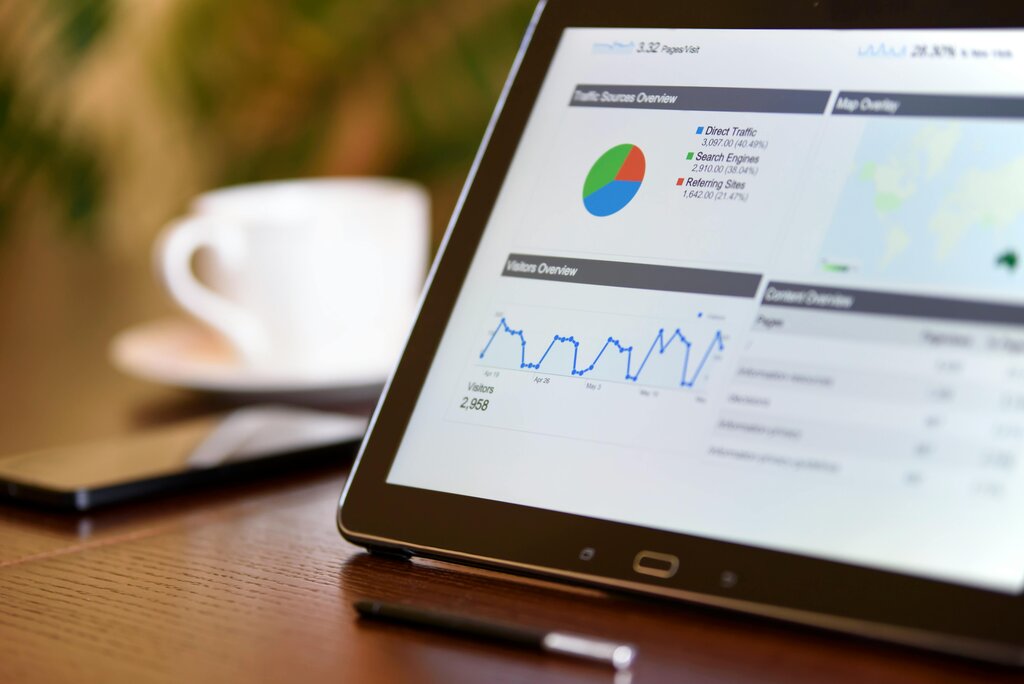
This data-driven approach allows marketers to make smart, fast decisions. Is one ad performing better than another? They can shift the budget to the winner. Is a campaign not leading to sales? They can pause it and investigate why, without wasting more money.
Ultimately, performance marketing brings a level of precision and accountability to advertising that was once impossible. It's not just about spending money to get a message out there; it's about investing in measurable growth.