Mastering Performance Marketing Fundamentals
Introduction to Performance Marketing
Marketing You Can Measure
Traditional marketing often feels like shouting into the wind. You might buy a billboard or run a TV commercial and hope for the best. You know some people saw it, but you can't be sure who, or what they did next. Performance marketing is the opposite. It’s a digital marketing strategy where you only pay for specific, measurable actions.
Instead of paying for ad space, you pay for results—like a click, a lead, or a sale.
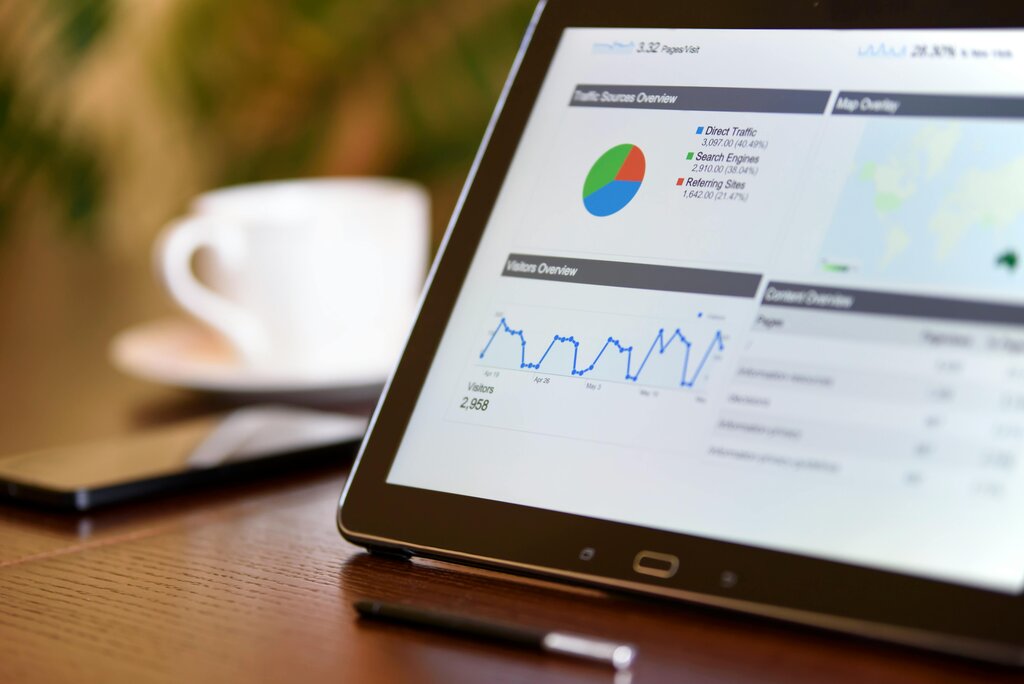
This approach flips the old model on its head. It’s not about impressions or brand awareness, though those can be side benefits. It’s about driving tangible outcomes and knowing exactly what your return on investment (ROI) is for every dollar spent. Because everything is tracked, campaigns can be tweaked in real time to improve results. This data-driven mindset is what sets performance marketing apart.
Key Performance Channels
Performance marketing isn't a single tactic but an approach that spans several digital channels. Each channel has its own strengths, but they all share the common thread of measurability. Here are a few of the most important ones.
Pay-Per-Click (PPC)
noun
An online advertising model in which an advertiser pays a publisher (typically a search engine or website owner) when the ad is clicked.
Paid Search This is one of the most common forms of performance marketing. When you type a search into Google or Bing, the ads you see at the top of the results page are paid search ads. Advertisers bid on keywords relevant to their business, and using the Pay-Per-Click (PPC) model, they only pay when a user actually clicks on their ad. It's a direct way to capture the attention of people who are actively looking for what you offer.
Social Media Advertising Platforms like Meta (Facebook and Instagram), X (formerly Twitter), LinkedIn, and TikTok have powerful advertising tools. They allow you to target users with incredible precision based on their demographics, interests, behaviors, and more. With social media, you can run campaigns where you pay for clicks, video views, lead form submissions, or direct purchases. The detailed analytics help you understand exactly which audiences and ad creatives are driving the best results.
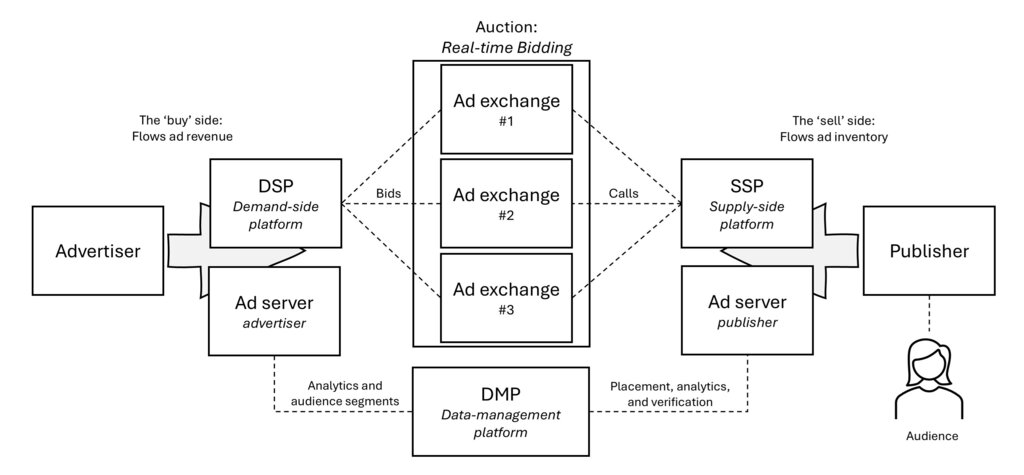
Affiliate Marketing This is a performance-based channel where you partner with external websites, bloggers, or influencers (known as affiliates). These affiliates promote your product or service to their own audience. Instead of paying them a flat fee, you pay them a commission for every sale or lead they generate. It's a low-risk way to expand your reach, as you only pay for actual conversions.
This performance-based marketing channel allows businesses to partner with local influencers, publishers, and content creators who promote their products or services to their established audiences, earning commissions only when a desired action (like a sale or lead) occurs.
These channels are just the beginning. The core principle of paying for measurable actions can be applied to email marketing, content marketing, and more. The key is the ability to track, measure, and optimize.
Ready to check your understanding?
What is the main principle that distinguishes performance marketing from traditional advertising methods?
In a Pay-Per-Click (PPC) advertising model, when does the advertiser pay a fee?
By focusing on these measurable channels, businesses can build marketing strategies that are not only effective but also highly accountable.