Mastering Performance Marketing
Performance Marketing Overview
Marketing That Pays for Itself
Most advertising is a bit of a gamble. A company pays for a billboard on a busy highway or a commercial during a popular TV show, hoping the right people see it and decide to buy something. They pay for the potential to reach customers.
Performance marketing flips this model on its head. Instead of paying for potential, advertisers pay for results. It’s a strategy where businesses only pay when a specific, measurable action occurs. This action could be a click, a lead, a download, or a sale. If the campaign doesn't perform, the advertiser doesn't pay.
Performance-based marketing is a digital marketing strategy where advertisers only pay when specific, measurable actions are completed—such as clicks, leads, or sales.
This direct link between cost and outcome is the core principle of performance marketing. The entire focus is on return on investment (ROI). Every dollar spent is tracked and must justify its existence by contributing to a tangible business goal. This makes it a highly accountable and efficient way to grow a business.
Traditional vs. Performance
Traditional marketing casts a wide net. Think of a Super Bowl commercial. It reaches millions of people, but the advertiser has no precise way of knowing how many viewers went on to buy their product directly because of that ad. The metrics are often broad, like brand awareness or estimated reach. It's hard to connect the $5 million ad spend to a specific increase in sales.
Performance marketing is more like precision fishing. Instead of a giant net, you use specific bait to attract a specific type of fish. Every part of the process is measured. You know exactly how many people saw your ad, how many clicked, and how many made a purchase. The connection between spending and revenue is crystal clear.
| Feature | Traditional Marketing | Performance Marketing |
|---|---|---|
| Payment Model | Pay for ad space/time (Impressions) | Pay for specific actions (Clicks, Sales) |
| Measurement | Difficult to track direct ROI | Direct, real-time ROI tracking |
| Targeting | Broad audience (demographics) | Highly specific (behavior, interests) |
| Optimization | Slow, based on periodic reviews | Fast, real-time adjustments |
| Risk | Higher (pay upfront with uncertain results) | Lower (pay only for results) |
The Performance Marketing Toolkit
Performance marketing isn't a single activity but a collection of channels and strategies working together. While many digital channels can be used, some are fundamental to this approach.
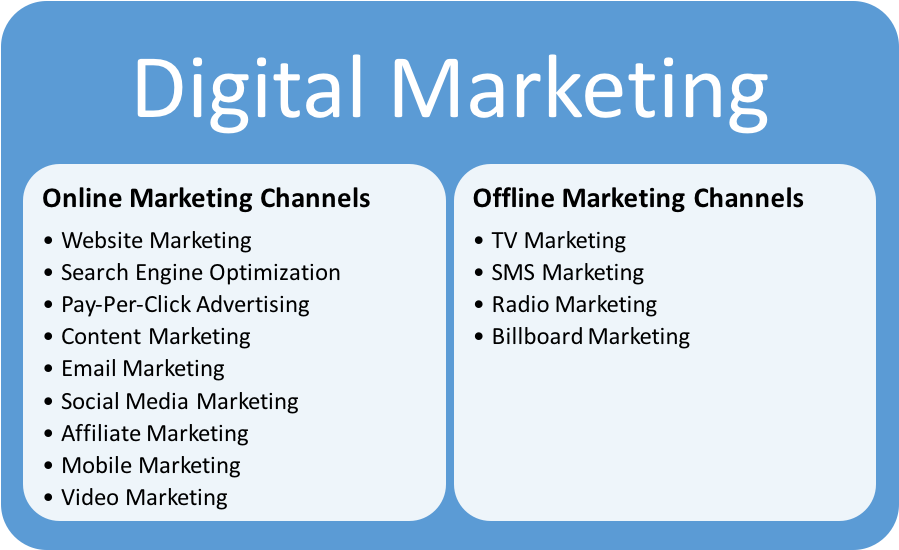
Search Engine Marketing (SEM): This involves running ads on search engines like Google and Bing. Advertisers bid on keywords relevant to their products. They typically pay only when a user clicks on their ad, a model known as Pay-Per-Click (PPC).
Social Media Advertising: Platforms like Meta (Facebook and Instagram), TikTok, and LinkedIn allow for incredibly detailed audience targeting. Advertisers can pay for clicks, leads, app installs, or even purchases generated from their ads.
Affiliate Marketing: This is a classic performance channel. Businesses partner with individuals or companies (affiliates) who promote their products. The business pays the affiliate a commission for every sale or lead generated through the affiliate's unique link.
Native Advertising: These are ads designed to blend in with the content of a platform, like a sponsored article on a news website. They feel less like traditional ads and are often used to drive traffic or generate leads, with payment tied to those actions.
Programmatic Advertising: This is the automated buying and selling of digital advertising space. Algorithms and real-time bidding are used to show ads to specific users across a vast network of websites, apps, and platforms, optimizing for performance goals automatically.
Data Is the Engine
If paying for results is the core principle of performance marketing, data is the engine that makes it all work. Every click, view, and conversion generates a data point. This constant stream of information allows marketers to understand exactly what is working and what isn't, in real time.
Marketers who build performance narratives with the right KPIs, strategic context, historical comparisons and business impacts are likely to be entrusted by leadership with ongoing budget and resources.
Data-driven decision-making means you're no longer guessing. You can answer critical questions with confidence:
- Which ad creative gets the most clicks?
- Which audience segment converts at the lowest cost?
- What time of day are my customers most likely to buy?
- Is my ad spend on Platform A generating a better ROI than on Platform B?
By analyzing performance data, marketers can continuously optimize their campaigns. They can shift budgets to the best-performing channels, test new ad copy, and refine audience targeting to improve results and maximize ROI. Without data, performance marketing would just be traditional marketing with a different payment model.
What is the core principle that defines performance marketing?
A company partners with a popular blogger to promote its new product. The company agrees to pay the blogger a 10% commission for every sale generated through a unique link on the blogger's website. What is this strategy called?
This focus on measurable action and constant optimization is what defines modern digital advertising and separates it from the methods of the past.