Mastering Performance Marketing
Introduction to Performance Marketing
What is Performance Marketing?
Imagine running an ad and only paying when it actually works. That's the core idea behind performance marketing. Instead of paying upfront for ad space, like a billboard or a magazine ad, you pay for measurable results. This could be a click, a lead, a sale, or another specific action you want the user to take.
This model shifts the risk from the advertiser to the publisher or platform. If the ad campaign doesn't perform well, the advertiser doesn't pay as much. This makes it a highly accountable and ROI-focused (Return on Investment) approach to advertising.
In short: With performance marketing, you pay for results, not just for visibility.
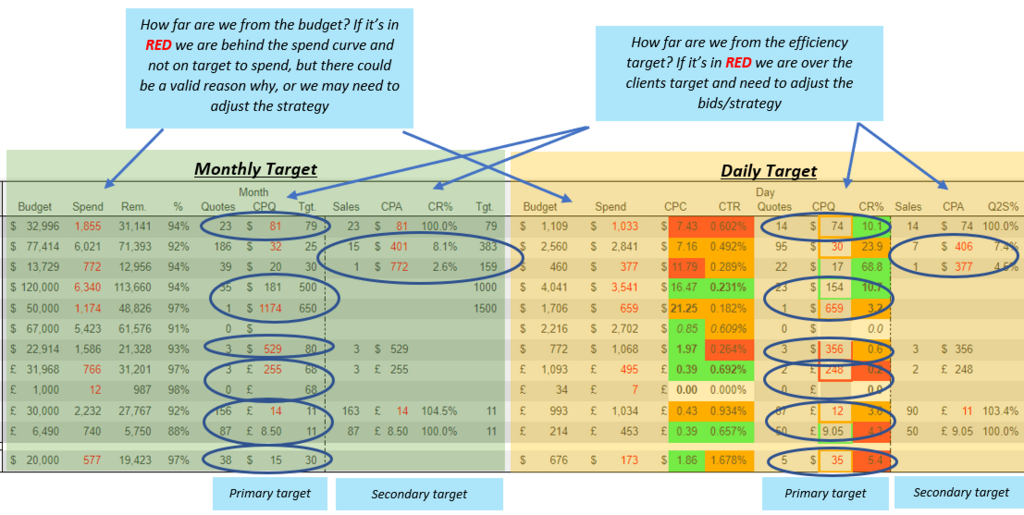
Traditional marketing, like a TV commercial, casts a wide net. You hope to reach your target audience, but you can't be certain who's watching or how they're reacting. Performance marketing, on the other hand, is highly targeted and trackable. Every click, every sale, and every dollar spent can be measured, allowing for constant optimization.
Key Channels of Performance Marketing
Performance marketing isn't a single channel, but an umbrella term for several strategies. Here are some of the most common types you'll encounter.
Pay-Per-Click (PPC)
noun
A model of internet marketing in which advertisers pay a fee each time one of their ads is clicked.
PPC is one of the most popular forms of performance marketing. You've likely seen it in action on Google. When you search for something, the top results are often marked as "Ad." These businesses are paying only when a user clicks on their link. This model is also used on social media platforms and other websites.
Affiliate Marketing
This is a partnership-based approach. An advertiser, often called a merchant, pays a commission to an affiliate for every sale or lead they generate. Think of it like a freelance sales team. Bloggers, influencers, or other businesses (the affiliates) promote a product or service to their audience. When someone from their audience makes a purchase through a special tracking link, the affiliate earns a commission.
Social Media Advertising
Platforms like Facebook, Instagram, LinkedIn, and TikTok have powerful advertising tools. They allow businesses to show highly targeted ads to users based on their interests, demographics, and online behavior. Advertisers can choose to pay for various actions, such as clicks to their website (PPC), video views, or even when a user fills out a lead form directly on the platform.
The Rise of Data-Driven Results
The shift from traditional to performance marketing happened because of the internet and our ability to track data. Before digital ads, it was hard to know exactly how many people saw a newspaper ad and then visited a store. Now, every action can be tracked.
This ability to measure everything has changed the game. Marketers can see in real-time what's working and what isn't. They can adjust their campaigns on the fly, moving budget from a poor-performing ad to a successful one. This continuous loop of measuring, analyzing, and optimizing is what makes performance marketing so effective.
Data-driven decision-making is crucial in digital marketing as it enables businesses to track performance, understand customer behavior, and refine strategies based on real-time insights.
Let's check your understanding of these core concepts.
What is the fundamental principle of performance marketing?
In performance marketing, the financial risk is primarily carried by the advertiser.
Now that you've got the basics down, you're ready to explore the specific strategies and tools that make performance marketing a powerful engine for business growth.