Mastering Performance CRM
Introduction to CRM
What Is CRM?
At its heart, Customer Relationship Management (CRM) is a strategy for managing all of a company's relationships and interactions with its customers and potential customers. The goal is simple: improve business relationships to grow your business.
A Customer Relationship Management (CRM) system is a superpower for your business.
When people talk about CRM, they usually mean a CRM system, which is a tool that helps with contact management, sales management, and productivity. It's a central place where a business can store customer and prospect data, track interactions, and manage customer accounts. It’s designed to streamline processes, specifically in sales, marketing, and customer service.
From Rolodex to Cloud
The idea of managing customer relationships isn't new. Businesses have always needed to keep track of who their customers are and what they've bought. For decades, this was done with paper and file cabinets, or the classic Rolodex spinning on a desk.
In the 1980s, these physical records started moving into digital databases. The first real CRM software emerged, but it was expensive, complex, and lived on a company's private servers. Only large corporations could afford it.
The real game-changer was the internet. With the rise of cloud computing in the 2000s, CRM systems became web-based. Suddenly, they were more affordable, easier to use, and accessible from anywhere. This opened the door for small and medium-sized businesses to use the same powerful tools as their larger competitors.
The Payoff
So, why do businesses invest in CRM? The benefits are significant and impact nearly every part of the company.
Improved Customer Satisfaction A CRM provides a complete picture of your customers. Anyone in the company, from sales to customer service, can see a customer's full history of purchases, previous support tickets, and communications. This 360-degree view means customers don't have to repeat themselves to different people. It allows for personalized service, which builds loyalty and makes customers feel valued.
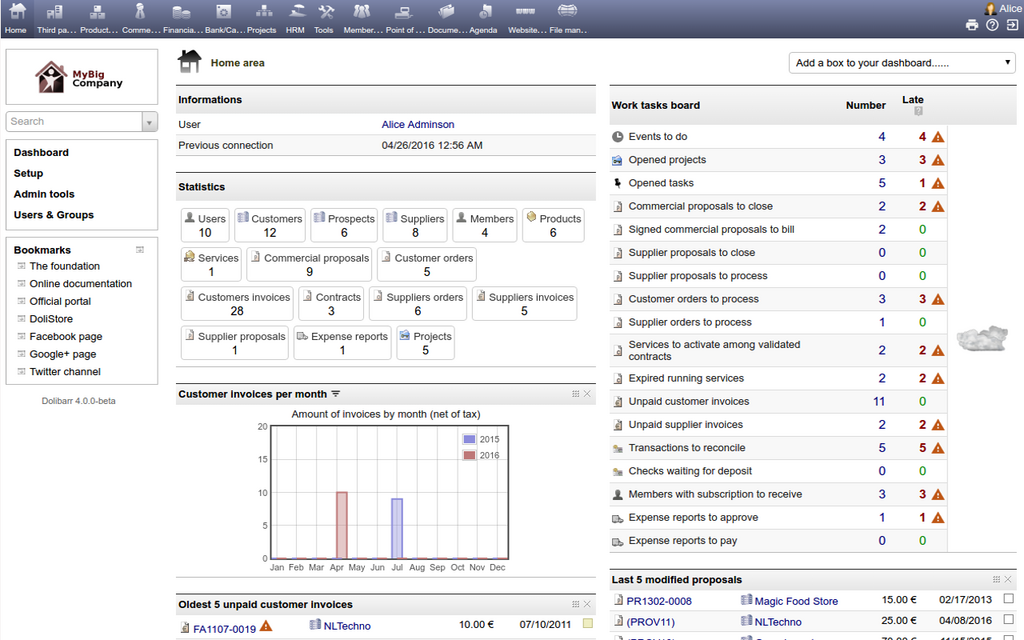
Increased Sales By centralizing lead and customer information, a CRM helps sales teams stay organized and focused. They can track their sales pipeline, automate routine tasks like sending follow-up emails, and identify the most promising leads. This efficiency means they can spend more time selling and less time on administrative work, which directly boosts revenue.
A Customer Relationship Management (CRM) system can streamline your sales process by enabling you to manage and track your interactions with prospects and customers.
Enhanced Data Management Before CRM, customer data was often scattered across spreadsheets, email inboxes, and notebooks. This made it difficult to analyze and easy to lose. A CRM system consolidates all this data into one organized, accessible database. It creates a single source of truth for all customer information, making reporting and analysis much more accurate and insightful.
What is the fundamental goal of a Customer Relationship Management (CRM) strategy?
What major technological shift in the 2000s made CRM systems more affordable and accessible for small and medium-sized businesses?
Ultimately, CRM is about putting the customer at the center of the business. It’s a strategy, powered by technology, that helps companies build stronger, more profitable relationships.