Mastering Percentage Calculations
Understanding Percentages
Parts of a Whole
Percentages are a way of talking about parts of a whole. The word itself gives us a clue. It comes from the Latin phrase per centum, which means "per hundred."
per hundred
So, a percentage is just a fraction where the denominator is always 100. When you see a number followed by the percent sign (%), it's telling you "this many out of one hundred."
For example, 50% means 50 out of 100. 25% means 25 out of 100. It’s a standardized way to compare proportions, because the "whole" is always sliced into 100 equal pieces.
The idea of calculating parts per hundred has been around since ancient Rome, long before the % symbol existed. Roman emperors would levy taxes like the centesima rerum venalium, a tax of 1/100 on goods sold at auction. In the Middle Ages, as commerce grew, merchants needed a common way to talk about profit and loss, so fractions with a denominator of 100 became standard.
The Percent Sign
The % symbol we use today evolved over centuries. It started in 15th-century Italian manuscripts, where scribes wrote "per cento." This was often abbreviated to "p c" with a small loop or circle for the "o" in cento. Over time, the "p" disappeared, and the two circles were separated by a horizontal line, which eventually slanted into the modern % symbol we know.
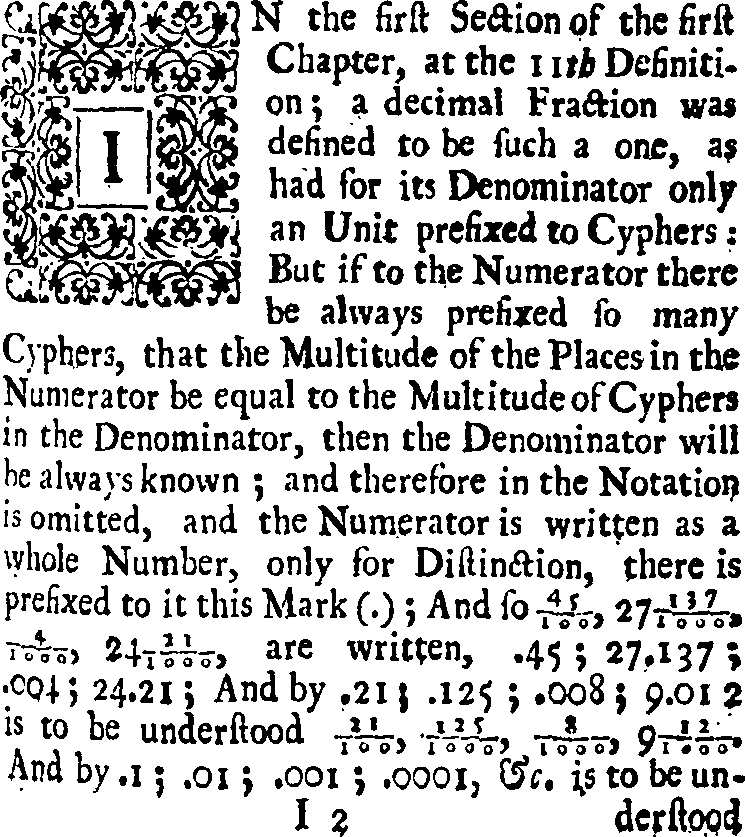
So while the concept is ancient, the symbol is a relatively modern piece of shorthand.
Percentages in the Real World
You see percentages everywhere because they make complex numbers easy to understand at a glance. They provide a common scale for comparison.
Percents are used every day in the form of tax on goods, tipping at restaurants, salesman commission, goods on sale, and more.
Here are a few common places you'll find them:
- Shopping: A sign that says "20% off" instantly tells you the discount on an item, regardless of its original price.
- Finance: Interest rates on loans, mortgages, and savings accounts are almost always shown as percentages.
- Statistics: News reports use percentages to describe everything from election results to scientific studies. Saying "75% of people agree" is much clearer than saying "193 million out of 258 million people agree."
- Weather: A meteorologist might say there's a "30% chance of rain," giving you a sense of the likelihood of a storm.
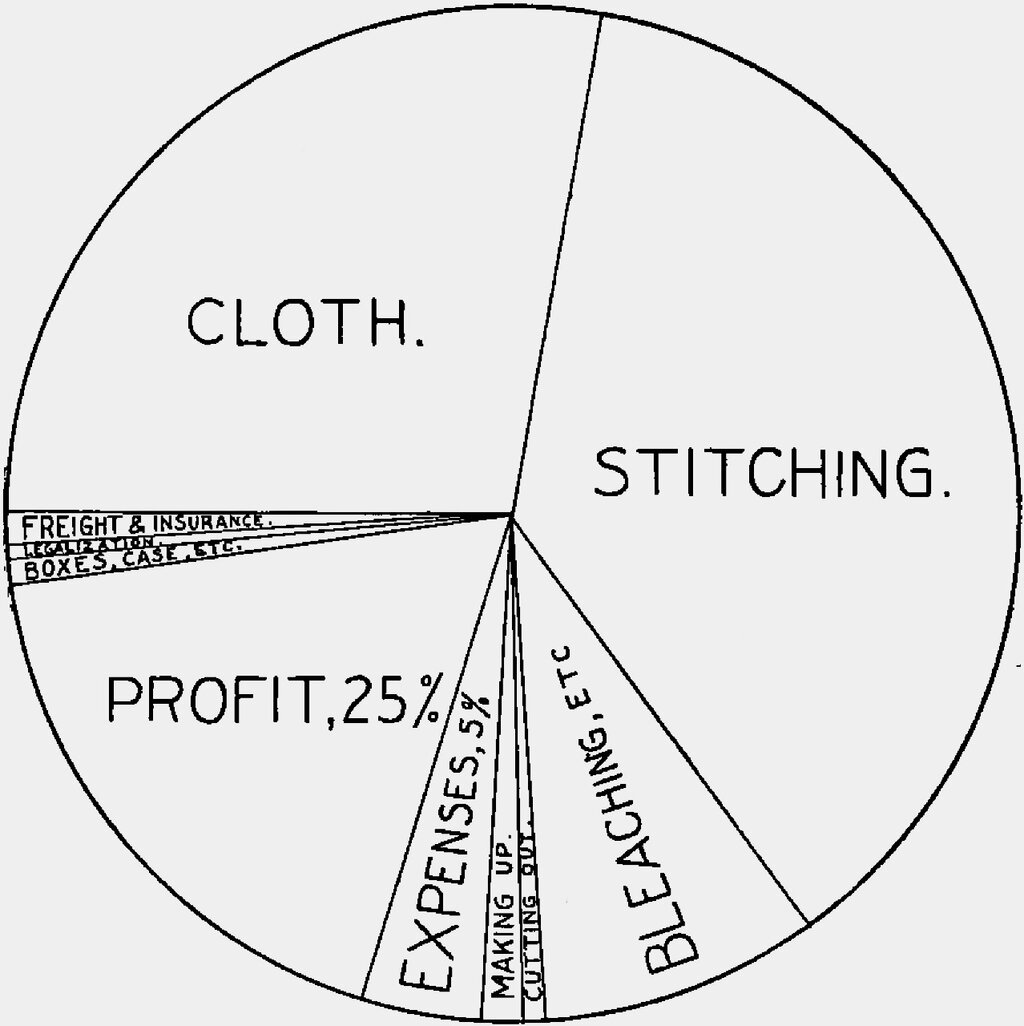
By expressing different quantities in relation to the common base of 100, percentages give us a powerful tool for making sense of the world around us. They simplify fractions and make comparisons more intuitive.
Ready to check your understanding?
The word "percent" comes from the Latin phrase per centum. What is the direct translation of this phrase?
What is the primary advantage of using percentages to describe statistics or financial information?
That's the basic idea of what a percentage is. It’s a simple but powerful concept for standardizing fractions and making them easier to work with.