Mastering Pencil Sketching
Pencil Types
More Than Just Wood and Lead
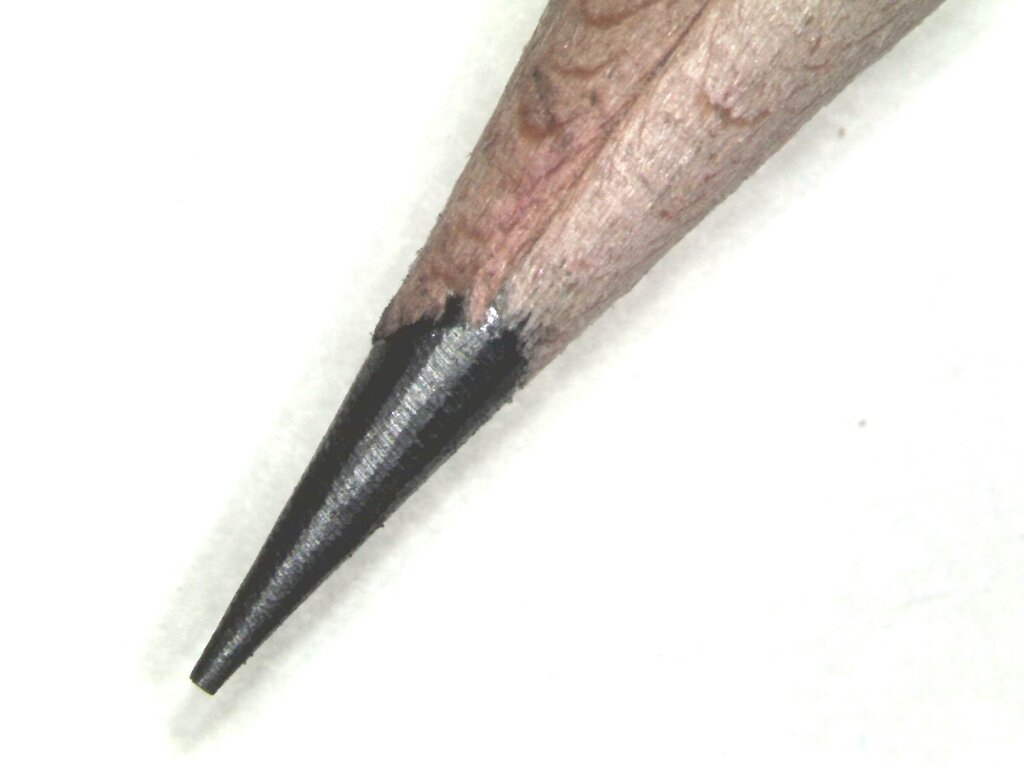
A pencil might seem like a simple tool, but the right one can completely change your drawing. The magic isn't in the wood casing; it's in the core. This core is a mixture of graphite, which makes the mark, and clay, which acts as a binder.
The ratio of graphite to clay determines a pencil's properties. More clay creates a harder pencil that leaves a lighter mark. More graphite results in a softer pencil that produces a darker, richer line. This variation is what the numbers and letters on the side of your pencils are all about.
Decoding the Grade Scale
Pencils are graded on a scale that indicates their hardness. You’ll see letters like H, B, and F. The 'H' stands for Hardness, and the 'B' stands for Blackness. 'F' means Fine Point, and it's a hard pencil that can hold a sharp point.
The numbers tell you the degree of hardness or blackness. A 9H is extremely hard and light, while a 9B is exceptionally soft and dark. Right in the middle is the trusty HB pencil, which you probably know as the standard #2 pencil used for writing.
| Grade | Type | Line Characteristics |
|---|---|---|
| 9H - 2H | Very Hard | Light, thin, precise lines. Erases cleanly. |
| H, F | Hard | Light lines, good for initial sketches. |
| HB, B | Medium | A middle ground. Good for both writing and drawing. |
| 2B - 9B | Soft | Dark, rich lines. Smudges easily for blending. |
Choosing the Right Pencil
So, how do you pick the right tool for the job? It depends on what you want to achieve.
Use hard (H) pencils for the initial stages of a drawing. Their light lines are perfect for sketching out compositions, creating guidelines, or doing technical work. They don't smudge easily and are simple to erase, so you can map out your ideas without committing to dark marks.
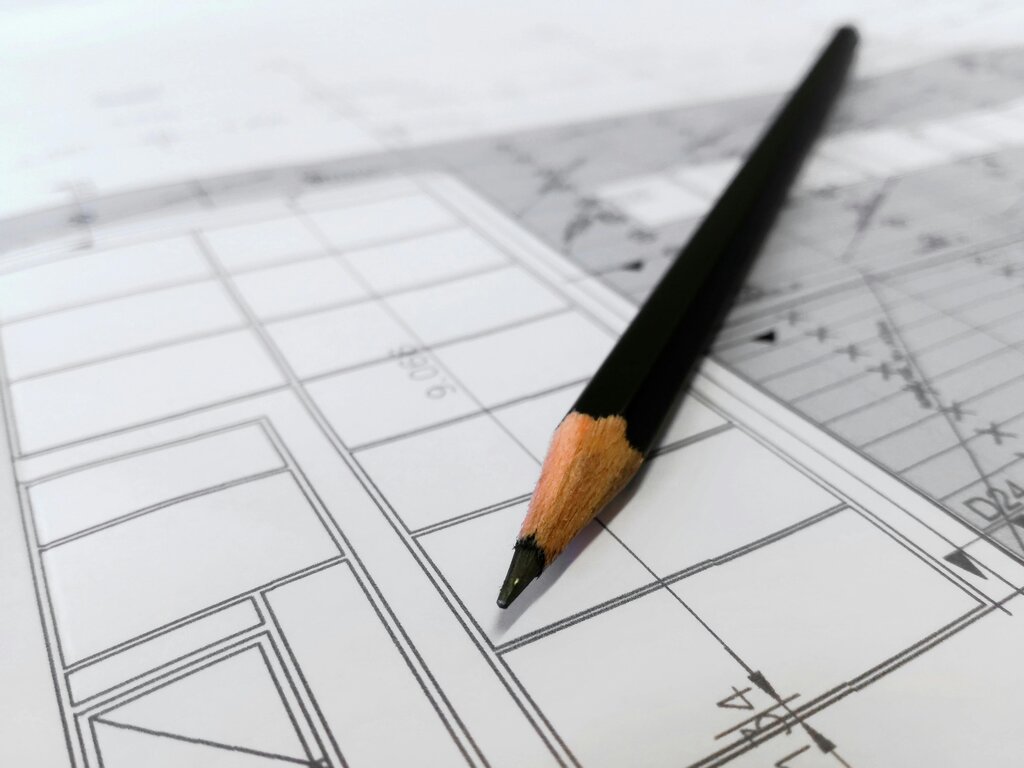
When you're ready to add depth and contrast, switch to soft (B) pencils. Their high graphite content allows you to create deep, dark blacks for shading and bold outlines. Because they smudge easily, you can use your finger or a blending tool to create smooth gradients and soft textures.
A good starting set for any artist would include a few pencils from across the spectrum, like a 2H for light sketching, an HB for general lines, and a 2B and 4B for shading. As you practice, you'll develop a feel for which grades you prefer for different effects.
What is the primary factor that determines a pencil's hardness or softness?
An artist wants to create deep, dark shadows and smooth, blended gradients. Which pencil would be the most suitable choice?
Experimenting with different pencil grades is the best way to understand how they behave. Try them out and see what they can do.