Mastering PCB Soldering Techniques
Soldering Basics
What is Soldering?
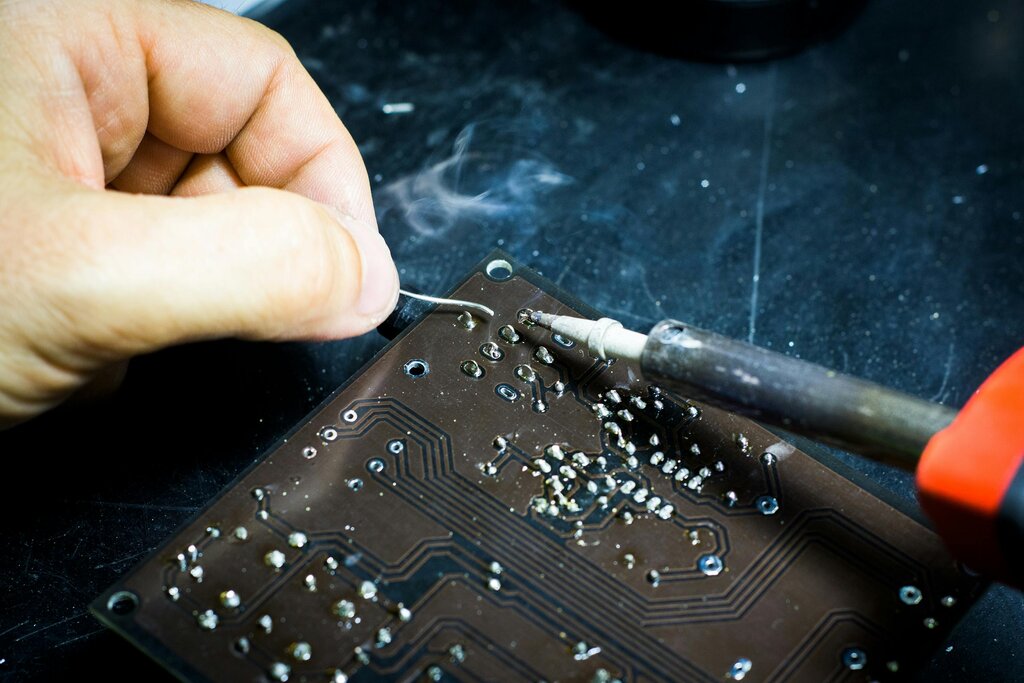
At its heart, soldering is the process of joining two or more metal items together by melting and then cooling a filler metal, called solder, into the joint. Think of it as a kind of metallic glue. In electronics, its purpose is very specific: to create a strong, reliable electrical connection between components and a printed circuit board (PCB). This allows electricity to flow correctly, bringing our devices to life.
A good solder joint is both a mechanical bond and an electrical bridge. It holds the component in place and allows signals to pass through without interruption.
soldering
verb
A process in which two or more metal items are joined together by melting and flowing a filler metal (solder) into the joint, the filler metal having a lower melting point than the adjoining metal.
The process creates a connection that is both physically strong and electrically conductive. Every tiny, shiny connection on a circuit board is a testament to this fundamental skill.
The Key Ingredients
Soldering relies on two crucial materials working together: solder and flux. They might seem simple, but their properties are what make the whole process possible.
Solder is a metal alloy designed to melt at a relatively low temperature. Traditionally, it was a mix of tin and lead. Modern solder is often lead-free to be more environmentally friendly, typically a combination of tin, copper, and sometimes silver. This low melting point is key; it allows us to create a strong bond without damaging the delicate electronic components we're working with.
Flux is just as important. It's a chemical cleaning agent that prepares the metal surfaces for soldering. When metals are heated, they quickly react with oxygen in the air to form a thin layer of oxidation. This layer prevents solder from sticking properly, leading to a weak or failed connection. Flux removes this oxide layer and creates a protective barrier, ensuring the molten solder can bond directly with the clean metal underneath. Most solder wire for electronics has a core of flux inside it, so it gets applied automatically as you solder.
flux
noun
A chemical cleaning, flowing, or purifying agent. In soldering, it removes oxidation from the surfaces to be joined.
The Science of the Perfect Joint
A successful solder joint isn't just about melting metal. It's about managing heat. The golden rule of soldering is to heat the parts you want to join, not the solder itself.
You touch a hot soldering iron to the point where the component lead and the PCB pad meet. You hold it there for a second or two, allowing both surfaces to heat up together. Then, you touch the solder wire to the opposite side of the heated connection. If the parts are hot enough, the solder will instantly melt and flow smoothly around the joint through a process called capillary action, or "wetting."
This technique ensures the solder forms a strong intermetallic bond with both surfaces. A good joint will look like a tiny, shiny volcano or a concave cone. If you only melt the solder onto the iron and dab it onto the joint, you'll likely create a "cold" joint. This looks dull, lumpy, and makes a poor electrical connection because the solder hasn't properly bonded with the parts.
Playing it Safe
Soldering involves high temperatures and materials that can be harmful if handled improperly. Following basic safety precautions is essential.
First, always work in a well-ventilated area. The smoke that comes from melting solder is mostly vaporized flux, which can irritate your lungs. Using a small fan to blow the fumes away from your face or a dedicated fume extractor is a great idea.
Second, protect your eyes. Solder can sometimes splash when it melts. Always wear safety glasses to prevent any painful accidents.
Finally, be mindful of the heat. A soldering iron is hot enough to cause severe burns instantly. Always return it to its stand when not in your hand, and never touch the metal tip. Keep your workspace clear of flammable materials and be aware of where the power cord is so you don't accidentally pull the hot iron off your table.
A clean, organized workspace isn't just for efficiency; it's a critical part of soldering safely.
With these principles in mind, you're ready to understand the tools and techniques that bring electronics to life. It's a skill that combines a little bit of science with a steady hand.
What is the primary purpose of soldering in electronics?
The chemical cleaning agent used to remove oxidation from metal surfaces before soldering is called ________.