Mastering Pastel Accounting
Introduction to Pastel Accounting
Managing Your Business's Money
Imagine trying to run a shop by keeping all your sales, expenses, and inventory details in a paper notebook. For a tiny business, that might work for a week or two. But as soon as things get busy, it becomes messy and unreliable. That's where accounting software comes in.
Pastel Accounting is a popular tool designed specifically for small and medium-sized businesses in certain regions, like South Africa. Think of it as a highly organized digital notebook that does the math for you. Its main purpose is to help business owners track all the money coming in and going out, ensuring financial records are accurate and up-to-date.
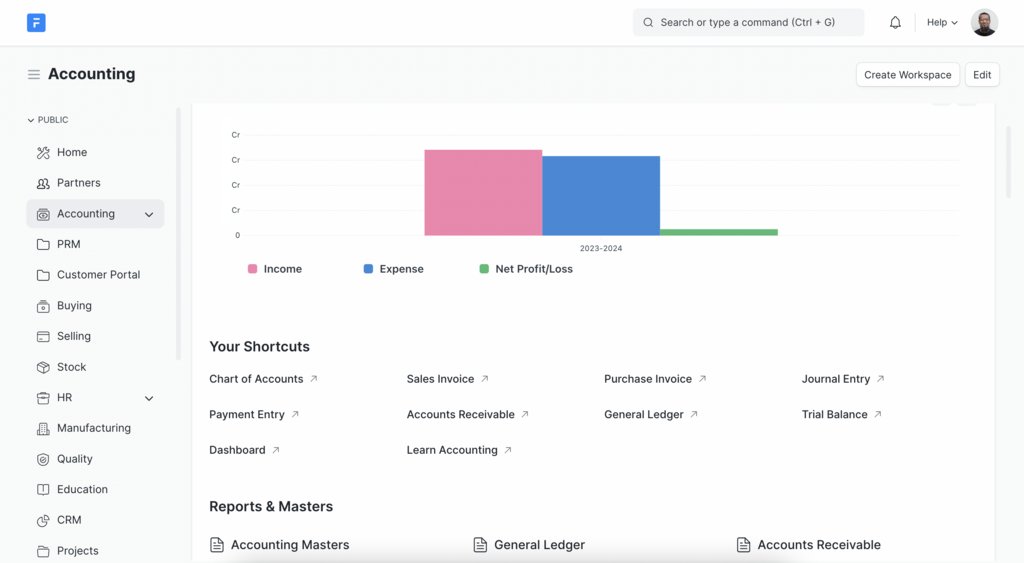
What It Does
Pastel isn't just one single tool; it's a suite of connected modules that handle different parts of your business's finances. Understanding these core functions shows you how it creates a complete picture of a company's health.
At its heart is the General Ledger. This is the master record of every financial transaction in your business. Every sale, purchase, payment, and expense is recorded here. It's the foundation for all your financial reporting.
Then you have modules for specific tasks:
- Customers (Accounts Receivable): This part tracks all the money your customers owe you. It lets you create and send invoices, record payments, and see who is late on their bills.
- Suppliers (Accounts Payable): The flip side of the customer module, this tracks all the money you owe to your suppliers. It helps you manage your bills and pay them on time.
- Inventory: If your business sells physical products, this feature is essential. It keeps track of how many items you have in stock, their value, and automatically updates when you buy or sell them.
- Bank Reconciliation: This tool helps you match the transactions in your accounting records with the transactions on your bank statement, ensuring everything lines up and no mistakes have been made.
Together, these features give you a real-time, accurate view of your business's financial standing.
The Benefits of Going Digital
For a small business, switching from manual bookkeeping to software like Pastel brings significant advantages. The most immediate benefit is efficiency. Automating tasks like creating invoices or generating reports saves hours of administrative work.
| Benefit | Manual Bookkeeping | Using Pastel Accounting |
|---|---|---|
| Speed | Slow, requires manual entry for every transaction. | Fast, with automated entries and calculations. |
| Accuracy | Prone to human errors in calculation and entry. | Greatly reduces calculation errors. |
| Reporting | Time-consuming to create financial reports. | Generates reports like Profit & Loss instantly. |
| Oversight | Difficult to get a quick overview of financial health. | Provides a clear, real-time dashboard. |
Accuracy is another major plus. Software eliminates the simple math mistakes that can easily happen with pen and paper. This leads to more reliable financial data, which is crucial for making smart business decisions. When you know exactly how much money you're making and where it's being spent, you can plan for the future with confidence.
Finally, using proper accounting software makes it much easier to stay compliant with tax regulations. It organizes all the information you need for tax filings, simplifying what can often be a stressful process for business owners.
What is the primary function of the General Ledger within Pastel Accounting?
A business owner needs to see which customers are late on their payments. Which Pastel module should they use?