Mastering Pasta Preparation and Techniques
Water and Salt Science
The Science of Salty Water
The first step to great pasta isn't the sauce, it's the water. Boiling pasta seems simple, but the chemistry of that water sets the stage for everything that follows. The goal is not just to cook the pasta, but to season it from the inside out and control how it interacts with the sauce later.
L'acqua della pasta deve essere salata come il mare — your pasta water should be as salty as the sea.
While poetic, that classic Italian wisdom is a bit too salty for most tastes. Seawater has a salinity of about 3.5%. A better target for pasta water is between 1% and 2% salinity. For every liter (or quart) of water, which weighs 1000 grams, you should add 10 to 20 grams of salt. This ratio is crucial for flavor.
When you add pasta to salted water, a process called osmosis begins. The pasta itself contains water, but at a much lower salt concentration than the cooking water. Water naturally moves from areas of low solute concentration (inside the pasta) to high solute concentration (the salty water) to find equilibrium. However, the salt ions simultaneously move from the water into the pasta, seasoning it internally. This is why salting the water is more effective than salting the pasta after it's cooked.
Starch and Structure
Salt does more than add flavor. It also plays a role in the pasta's texture. As pasta cooks, its starches absorb water and swell, a process known as But salt ions interfere with this process slightly. They compete with the starch for water and also strengthen the gluten network within the pasta. The result is a firmer noodle that's less likely to turn mushy or sticky. The salt effectively 'tightens' the surface, reducing the amount of starch that leaches out.
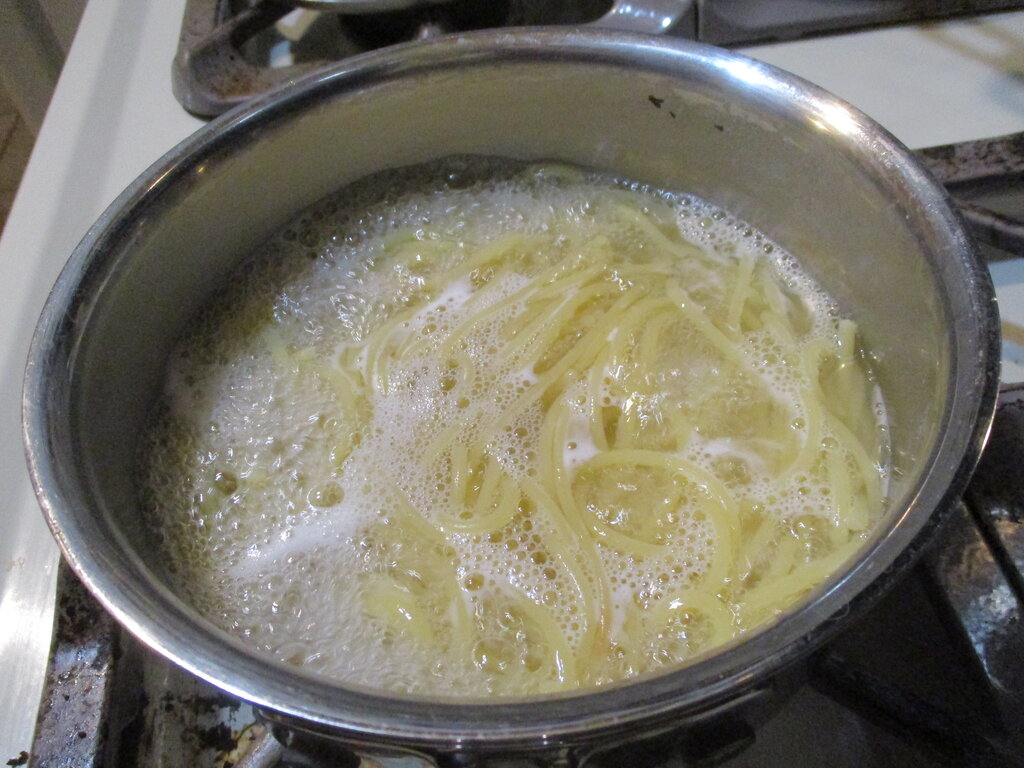
That said, you still want some starch to escape. As the pasta boils, it releases starch molecules into the water, creating a cloudy, viscous liquid. This isn't waste; it's the coveted 'liquid gold' chefs rely on. The starch-laden water is an , a key ingredient for creating a smooth, cohesive sauce that clings perfectly to the pasta rather than pooling at the bottom of the bowl.
Water Hardness
The mineral content of your tap water can also influence the final product. Water is typically categorized as 'hard' or 'soft' based on its concentration of dissolved minerals, primarily calcium and magnesium.
| Water Type | Mineral Content | Effect on Pasta |
|---|---|---|
| Soft Water | Low | Cooks slightly faster, can result in a stickier texture. |
| Hard Water | High (Calcium, Magnesium) | Strengthens gluten, resulting in firmer pasta that's less sticky. |
Hard water tends to produce a better pasta texture. The calcium ions in hard water bond with pectin molecules in the pasta, creating a firmer structure. While the difference is often subtle, it's another variable that professionals consider. If your water is very soft, you might find that adding a pinch more salt can help achieve a similar firming effect by reinforcing the gluten network.
What is the recommended amount of salt to add for every liter (1000g) of pasta water?
Why is it more effective to salt the pasta water rather than salting the pasta after cooking?
Understanding these chemical interactions transforms cooking from just following a recipe to controlling the outcome. It's the foundation for achieving consistent, professional-quality pasta every time.