Mastering Pasta Perfection
Understanding Pasta Varieties
Shape, Size, and Texture
Walk down the pasta aisle and you'll see dozens of different shapes. It’s easy to think the variety is just for fun, but each shape is engineered with a purpose. The form of a pasta noodle directly impacts its cooking time and its final texture.
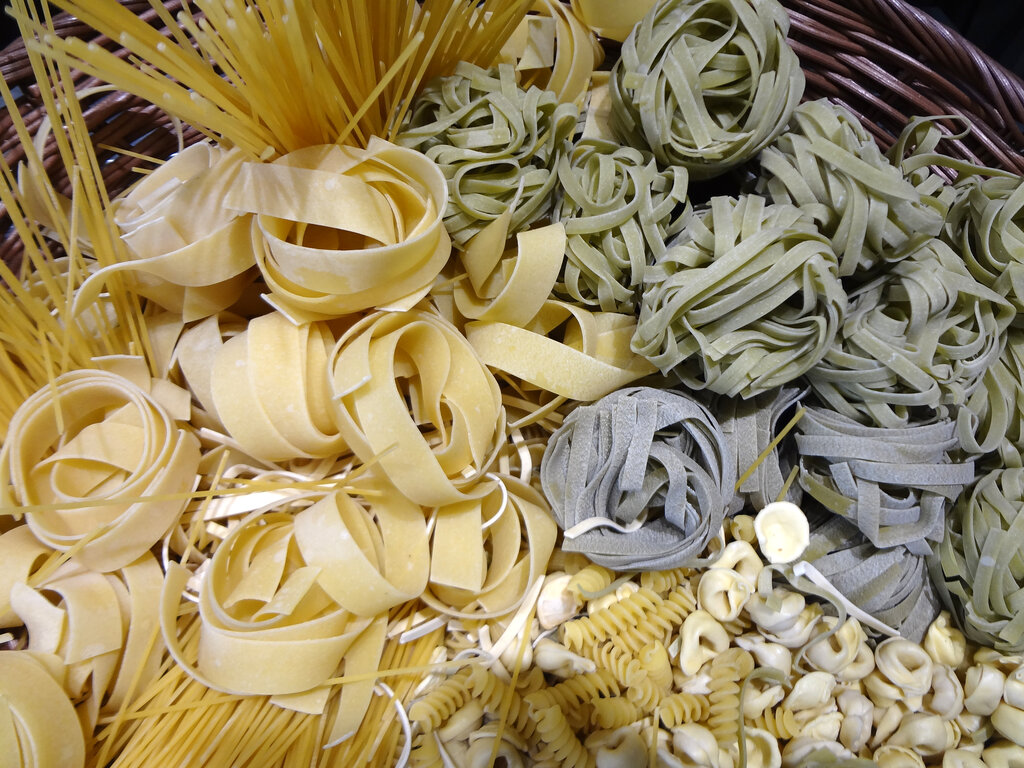
The key factors are thickness and surface area. A thick, dense pasta like rigatoni needs more time in boiling water than thin, delicate angel hair. The goal is to cook any pasta al dente, which means “to the tooth” in Italian. It should be tender but still have a firm, satisfying bite.
Complex shapes with lots of nooks and crannies, like fusilli, have more surface area. This allows them to cook relatively quickly while creating interesting textures. Smooth, simple shapes offer a different mouthfeel. Understanding these differences is the first step to mastering the perfect pot of pasta, regardless of the shape you choose.
A Guide to Common Shapes
While there are hundreds of pasta shapes, most fall into a few key categories. Getting to know them helps you understand what to expect when you cook them.
| Category | Common Shapes | Characteristics |
|---|---|---|
| Long Strands | Spaghetti, Linguine, Angel Hair | Best known for their length. Thickness varies, from gossamer-thin angel hair to flatter linguine. Cooking time is highly dependent on their diameter. |
| Tubes | Penne, Rigatoni, Ziti | Hollow shapes cut into tubes. Some have ridges (rigate) that add texture, while others are smooth (lisce). The hollow center can trap small ingredients. |
| Spirals & Twists | Fusilli, Rotini, Gemelli | Corkscrew shapes with plenty of surface area. Their twists and grooves are excellent for creating a substantial texture in each bite. |
| Small Shapes | Orzo, Ditalini, Orecchiette | Includes tiny shapes often used in soups and salads. Orecchiette, or “little ears,” have a unique cup shape that's chewier on the rim and tender in the center. |
No matter the shape, the cooking principle remains the same. Use a large pot with plenty of salted boiling water. Stirring occasionally prevents the pasta from sticking, especially for shapes with cavities that can trap air and float to the top. The cooking time on the package is a guideline, so start testing a piece a minute or two before the timer goes off to find that perfect al dente bite.
Why Shape Matters for Your Dish
The right pasta shape can transform a meal. It's not about strict rules, but about function. A hollow tube like rigatoni is perfect for trapping small pieces of vegetables or meat. A spiral fusilli will tangle with greens and herbs, ensuring you get a bit of everything in each forkful.
Conversely, a simple, long strand like spaghetti provides a classic, slurpable texture that stands on its own. The shape you choose adds a structural element to your dish, influencing how you experience its flavors and textures together.
Think of pasta as the foundation of a building. The shape you choose determines how all the other ingredients will stack up.
By paying attention to how different shapes cook and feel, you can move beyond simply following a recipe. You can start making creative choices that make your meals even better.
Ready to check your understanding?
What does the term al dente mean in the context of cooking pasta?
Which two factors most directly influence a pasta's cooking time and final texture?
With this foundation, you're ready to explore the endless possibilities of pasta.