Mastering Password Managers
Understanding Password Security
Your Digital Front Door
Think of a password as the key to a part of your digital life. Your email, your bank account, your social media—each one is a room locked behind a door, and your password is the unique key that opens it. A strong password is like a complex, high-security key. A weak one is like leaving a basic key under the doormat.
Hackers often use automated software to guess passwords at incredible speeds. This is called a brute-force attack. The software tries millions of combinations a second, starting with common words, names, and number patterns. If your password is "password123" or "fluffy," it's not a matter of if it will be guessed, but when.
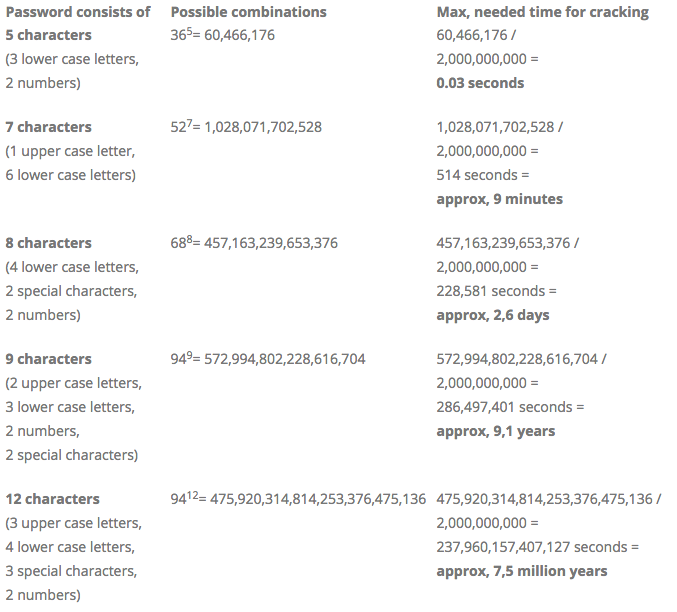
As you can see, adding just a few characters or a symbol can turn a password that’s cracked instantly into one that would take centuries. Length and complexity are your best friends when it comes to creating a strong defense.
The goal of a strong password isn't to be easy for you to remember, but hard for a computer to guess.
The Password Reuse Problem
One of the most common and dangerous habits is using the same password for multiple accounts. It’s convenient, but it creates a massive vulnerability. Imagine using the same key for your house, your car, and your office safe. If a thief steals that one key, they suddenly have access to everything you own.
This is exactly what happens online. When a single website has a data breach and user passwords are leaked, attackers will take those leaked email and password combinations and try them on other popular sites like banking, email, and social media accounts. This is called credential stuffing. Your secure bank account could be compromised simply because a small forum you once signed up for had poor security.
They're taking advantage of one of the most common security mistakes people make online: using the same password in multiple places, said Kevin Gosschalk, founder and CEO of the cybersecurity firm Arkose Labs, which protects companies against online fraud.
When a Breach Happens
The consequences of a password breach can range from annoying to devastating. At a minimum, you might lose access to an account or have spam sent to your contacts. But it can quickly get worse.
A compromised email account can be used to reset the passwords for all your other accounts, giving an attacker control over your entire digital identity. A breach of a financial account can lead to direct monetary theft. Attackers could also steal your personal information to commit identity fraud, taking out loans or credit cards in your name.
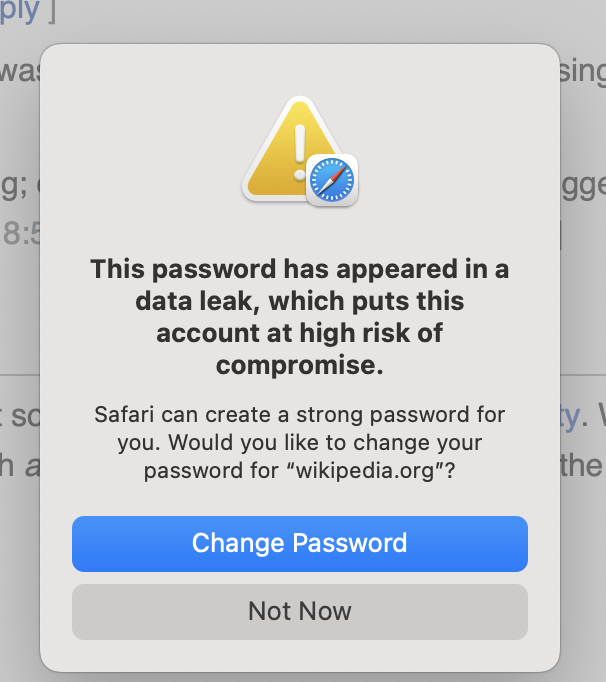
Protecting your accounts starts with understanding the risks. Building good password habits is the foundation of your online security.
Let's check your understanding of these core concepts.
What is a "brute-force attack"?
Using the same password for your email and a small online forum is risky primarily because if the forum is breached, attackers can use that password to try and access your email.
By making each password strong and unique, you build a powerful wall around your digital life. It's one of the simplest and most effective steps you can take to stay safe online.