Mastering Ozymandias for CBSE Class 10
Context and Inspiration
A Tale of Two Sonnets
Percy Bysshe Shelley's famous sonnet, "Ozymandias," wasn't born in isolation. It was the product of a friendly competition. In late 1817, Shelley and his friend, the poet and stockbroker Horace Smith, challenged each other to write a poem on the same subject. The inspiration was a recent, spectacular acquisition by the British Museum: a colossal, fragmented statue of an Egyptian pharaoh.
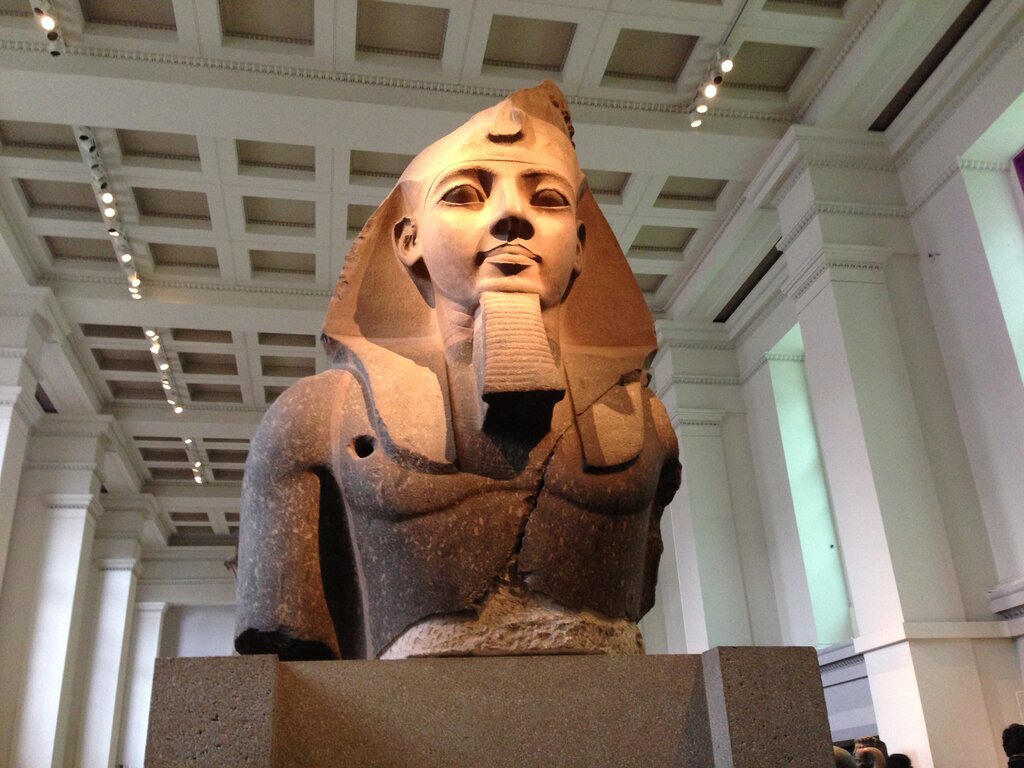
This statue was part of a larger figure of Ramesses II, one of ancient Egypt's most powerful rulers. News of its journey from Egypt to London, arranged by the adventurer Giovanni Belzoni, had captivated the public. Shelley and Smith both saw in this broken monument a powerful story about the fleeting nature of power. Though written on the same theme, their poems took different approaches. Shelley's became a timeless classic, while Smith's is now mostly a historical footnote.
The King Behind the King
The name "Ozymandias" is the Greek version of a part of Ramesses II's throne name, Usermaatre Setepenre. While the statue was real, Shelley wasn't aiming for historical accuracy. He used the figure of this ancient king to craft a universal symbol of fallen tyranny.
The real Ramesses II reigned for 66 years and was a prolific builder, covering Egypt with temples and monuments dedicated to his own glory. He wanted to ensure his legacy would be eternal. This historical context makes the poem's central irony even sharper. The mighty king who built for eternity is now remembered only through a shattered statue in a vast, empty desert.
The poem's inscription, "My name is Ozymandias, King of Kings; Look on my Works, ye Mighty, and despair!" is a direct challenge to all other rulers, ancient and modern.
Shelley likely drew this inscription from the writings of the Greek historian Diodorus Siculus, who described a statue of Ozymandias with a similar boastful message. By channeling the story through a
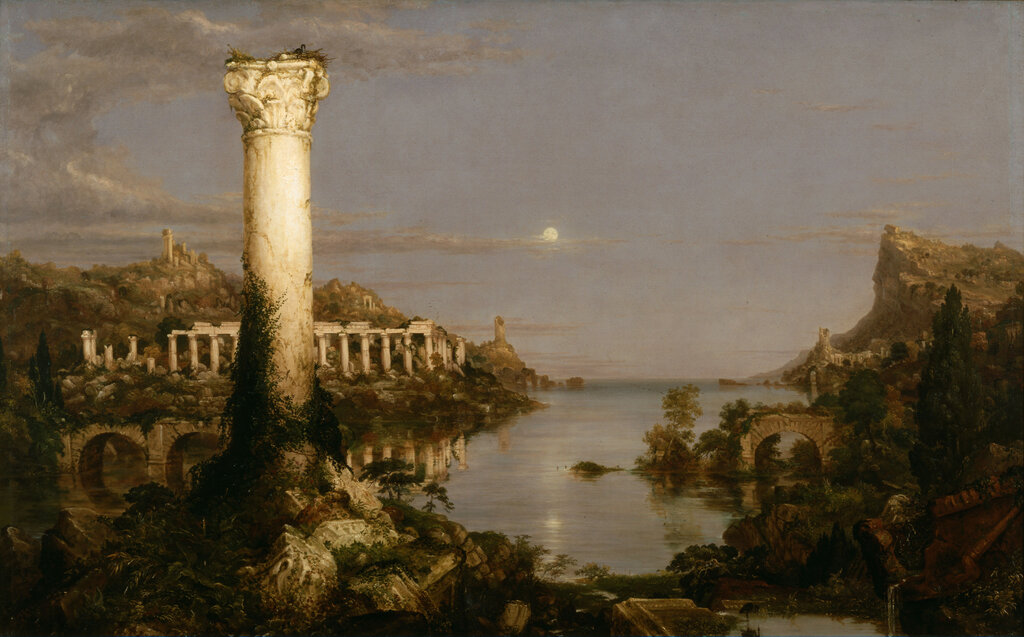
By framing the story as a second-hand account—"I met a traveller from an antique land"—Shelley creates critical distance. The setting in a faraway, ancient desert isn't just for atmosphere. It allows him to critique the nature of power and tyranny without directly attacking the rulers of his own time.
A Message for a King
Beneath the surface of this tale of a long-dead pharaoh lies a sharp political commentary. Shelley wrote "Ozymandias" during the in Britain. King George III was incapacitated by illness, and his son, the Prince Regent (the future George IV), ruled in his stead. The Prince Regent was known for his extravagant spending, vanity, and authoritarian tendencies.
Shelley, a radical thinker who opposed monarchy and tyranny in all forms, saw parallels between the arrogant Ozymandias and the rulers of his own day. The poem serves as a subtle but powerful warning: no matter how great a ruler believes himself to be, his power is temporary. Time and nature will eventually lay waste to all empires, leaving only ruins.
The indirect narrative and ancient setting were clever ways for Shelley to publish this critique without facing censorship or arrest, which were real threats for radical writers at the time.
Ready to test your knowledge of the story behind the poem?
What prompted Percy Bysshe Shelley to write "Ozymandias"?
The poem's narrative frame—hearing the story from "a traveller from an antique land"—served what primary purpose for Shelley?
By understanding its origins, we see that "Ozymandias" is more than just a poem about a broken statue. It's a timeless meditation on history, power, and the ultimate fate of all human ambition.