Mastering Overstimulation and Emotional Regulation
Understanding Sensory Processing Sensitivity
A Different Way of Sensing
Some people experience the world with the volume turned up. A scratchy tag on a shirt feels unbearable, a crowded room is a sensory assault, and a sad movie can linger for days. This isn't just being "too sensitive"; it's a trait known as Sensory Processing Sensitivity, or SPS.
Sensory Processing Sensitivity (SPS)
noun
An innate trait involving a heightened sensitivity of the central nervous system and a deeper cognitive processing of physical, social, and emotional stimuli.
People with SPS, often called Highly Sensitive People (HSPs), aren't just reacting more strongly to their environment. Their brains are wired to process information more thoroughly. Think of it like the difference between a standard camera and a high-resolution one. Both capture the same scene, but the high-resolution camera picks up far more detail, nuance, and information.
SPS is a nervous system difference that causes increases in:processing depth emotional and empathetic reactivity sensitivity to subtleties overstimulation
The Sensitive Brain
SPS isn't a disorder; it's a biological trait. Research suggests that the brains of highly sensitive people are genuinely different in how they handle sensory input. Areas of the brain associated with awareness, empathy, and planning tend to be more active. This includes the insula, which integrates sensory information with emotions and helps us feel what others are feeling.
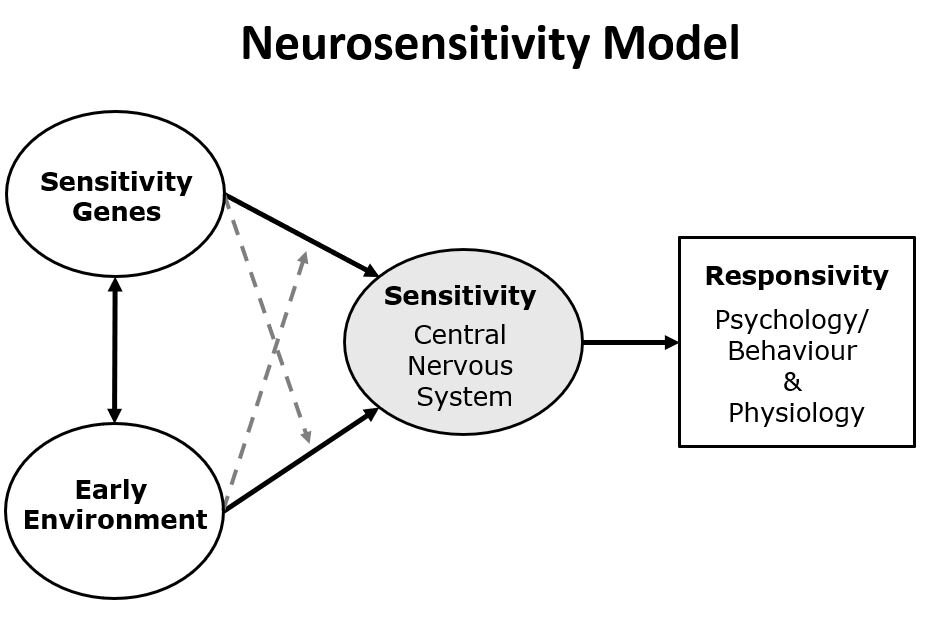
This heightened neurological activity means that HSPs process everything more deeply. They're more likely to reflect on their experiences, notice small details others miss, and make connections between ideas. The downside is that this constant, deep processing can be mentally exhausting, leading to a state of being overstimulated or overwhelmed more easily than others.
Signs of High Sensitivity
SPS can show up in many ways, and it varies from person to person. However, some common threads often run through the experience of a highly sensitive person. You might recognize some of these in yourself or others.
| Characteristic | What it Looks Like |
|---|---|
| Deep Processing | You think deeply about things and may take longer to make decisions because you're weighing all the subtleties. |
| Easily Overstimulated | Busy environments, loud noises, or hectic schedules can quickly become overwhelming. |
| High Empathy | You feel others' emotions as if they were your own and are very attuned to their moods. |
| Sensitivity to Subtleties | You notice details others might miss, like faint smells, dim lights, or slight changes in a person's tone of voice. |
| Rich Inner Life | You have vivid dreams and a complex imagination. |
Being highly sensitive also affects daily life. An HSP might carefully arrange their home to be a calm sanctuary, avoiding harsh lighting or clutter. They may find themselves deeply moved by art or music and often require more downtime than others to decompress from the world's constant stream of input.
While overstimulation is a challenge, the trait also brings gifts like creativity, intuition, and a strong sense of empathy.
Understanding SPS is the first step toward using its strengths and managing its challenges. By recognizing what triggers overstimulation, you can create environments and routines that work with your nervous system, not against it.
Ready to check your understanding?
According to the text, Sensory Processing Sensitivity (SPS) is best described as:
Which brain region, crucial for integrating sensory information with emotions and empathy, is mentioned as being more active in highly sensitive people?
Recognizing this trait is about understanding, not labeling. It provides a framework for why you might experience the world so intensely.