Mastering OTC Derivatives
Introduction to OTC Derivatives
Beyond the Exchange Floor
Most financial trading you hear about happens on an exchange, like the ASX or the New York Stock Exchange. These are centralised, regulated marketplaces where buyers and sellers meet. But a vast amount of trading happens away from these public venues, in a world known as the over-the-counter, or OTC, market.
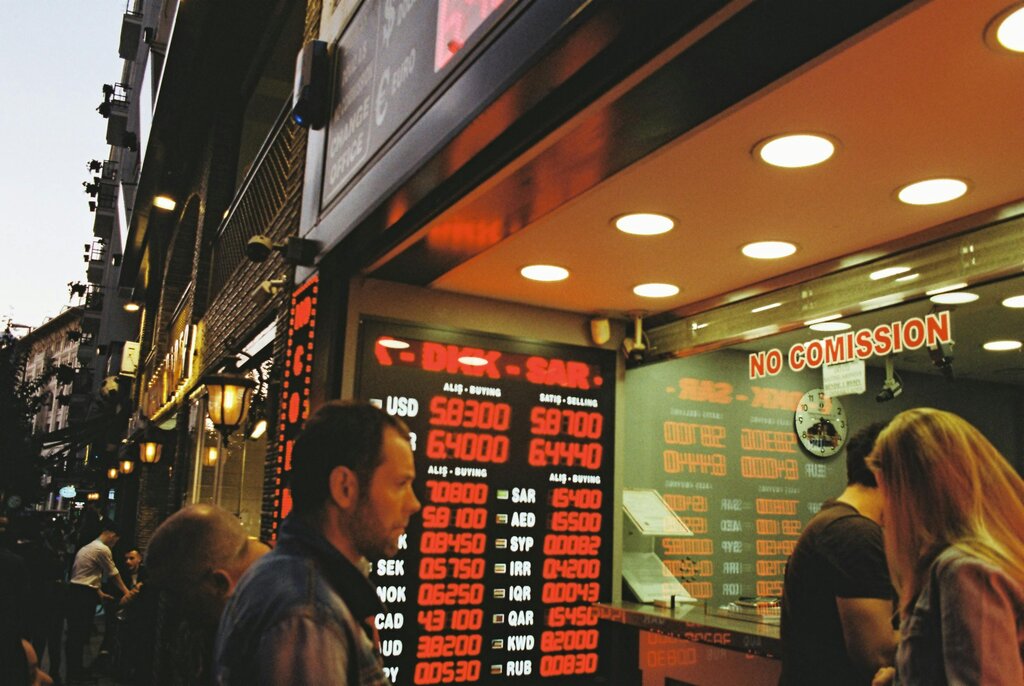
The forex market’s over-the-counter (OTC) nature is one of its key defining characteristics.
OTC derivatives are financial contracts negotiated directly between two parties, without going through a formal exchange. Think of it like buying a bespoke suit versus buying one off the rack. The off-the-rack suit is standardised, comes in set sizes, and has a publicly listed price. The bespoke suit is tailored to your exact measurements, material, and style preferences. The price is a private matter between you and the tailor.
That customisation is the core of the OTC market. These contracts are designed to meet the specific needs of the parties involved, offering flexibility that standardised, exchange-traded products simply can't match.
Two Sides of the Same Coin
While both exchange-traded and OTC derivatives serve to manage risk and speculate on future price movements, their structures and the environments they trade in are fundamentally different. Understanding these differences is key to appreciating their distinct roles in the financial system.
| Feature | Exchange-Traded Derivatives | Over-the-Counter (OTC) Derivatives |
|---|---|---|
| Venue | Centralised exchange (e.g., ASX) | Direct between two parties |
| Contracts | Standardised terms and sizes | Customised to specific needs |
| Transparency | High (public prices) | Low (private negotiations) |
| Counterparty Risk | Low (guaranteed by a clearing house) | High (depends on the other party) |
| Liquidity | Generally high | Varies, can be low |
| Regulation | Highly regulated | Traditionally less regulated |
The most significant difference noted in the table is counterparty risk. When you trade on an exchange, a central clearing house acts as the buyer to every seller and the seller to every buyer. This institution guarantees the trade will be honoured, even if one party defaults. In the OTC market, you are directly exposed to the risk that your counterparty, the other party in the contract, might fail to uphold their end of the deal. This is the trade-off for gaining the flexibility and privacy of a custom contract.
The OTC Toolkit
The flexibility of OTC markets has led to a wide array of instruments. While the possibilities are nearly endless, most contracts fall into a few broad categories. Let's look at the most common ones.
Forward
noun
A customised contract between two parties to buy or sell an asset at a specified price on a future date.
Forwards are the simplest type of OTC derivative. They are similar to futures contracts that you'd find on an exchange, but unlike futures, they are not standardised. The parties can agree on any underlying asset, quantity, and delivery date they wish.
Swap
noun
A contract where two parties agree to exchange sequences of cash flows for a set period.
Swaps are a cornerstone of the OTC market. The most common type is an interest rate swap, where one party exchanges fixed-rate interest payments for floating-rate payments. Another common type is a currency swap, where parties exchange principal and/or interest payments in different currencies. They are powerful tools for companies looking to manage their exposure to fluctuations in interest rates or foreign exchange rates.
Options also trade in OTC markets. While exchange-traded options have standardised strike prices and expiry dates, OTC options can be fully customised. A company might want to buy an option that expires on the exact day a major payment is due, or with a strike price that isn't available on any exchange. This customisation allows for highly precise hedging strategies.
What is the primary characteristic that distinguishes the Over-the-Counter (OTC) market from an exchange-traded market?
In the context of OTC trading, what is meant by 'counterparty risk'?
These instruments form the basic building blocks of the OTC derivatives market, providing tailored solutions for risk management and investment across the global economy.