Mastering OSHA Construction Compliance
2025 PPE Fit Mastery
The New Mandate on Fit
As of January 2025, compliance with OSHA's Personal Protective Equipment standard for construction, 29 CFR 1926.95, has a critical new dimension: proper fit. The revision clarifies that merely providing PPE is no longer sufficient. The equipment must fit each employee correctly to be considered compliant.
This change shifts the legal landscape significantly. Previously, an employer could meet the standard by simply having gear available on-site. Now, providing a worker with an oversized fall harness or gloves that limit dexterity can be cited as a direct violation. Regulators now interpret ill-fitting gear as functionally equivalent to providing no gear at all, classifying it as a "failure to provide" violation.
Employers must institute all feasible engineering and work practice controls to eliminate and reduce hazards before using PPE to protect against hazards
This isn't a minor administrative update. It's a fundamental recognition that the effectiveness of PPE is entirely dependent on its fit. A loose hard hat offers little protection in a fall, and a poor respirator seal negates its purpose. The new rule forces a move from a checklist mentality to a focus on individual worker safety.
Beyond One-Size-Fits-All
The "one-size-fits-all" approach to PPE has always been flawed, particularly for a diverse workforce. The updated standard directly addresses the physiological risks that arise when equipment is designed for a single, outdated body type.
For female workers, these risks are acute. A fall protection harness designed for a male torso can create dangerous gaps, placing load-bearing straps incorrectly on the pelvis and potentially causing severe internal injuries during a fall. Oversized gloves reduce manual dexterity, increasing the risk of accidents when handling tools or materials. A loose-fitting safety vest is not just uncomfortable; it's a snag hazard around moving equipment.
These issues extend to all workers with non-standard body types. Improperly sealed respirators, safety glasses that slide down the nose, or boots that cause blisters create new hazards while failing to protect against existing ones. Effective PPE programs must now be built on a foundation of individual needs, not outdated assumptions.
The Manager's Role in Compliance
Site managers and safety officers are on the front lines of implementing this change. Compliance requires a proactive, documented approach to PPE fit assessment. This isn't just a one-time event during onboarding; it's an ongoing process.
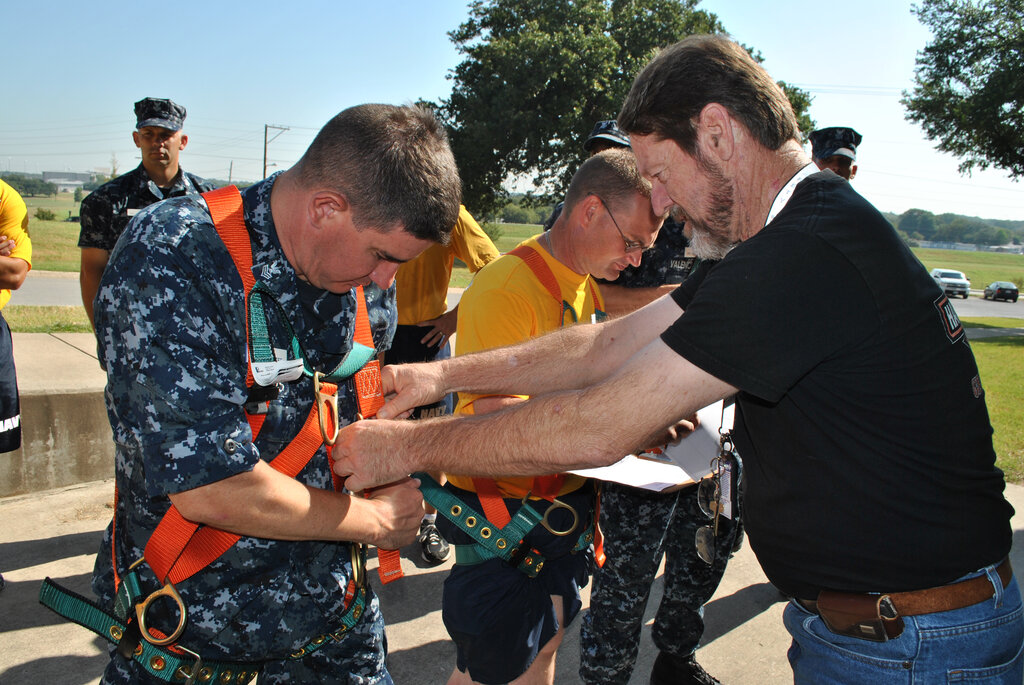
First, managers must establish a protocol for measuring and fitting each worker for all required PPE. This includes everything from head and face measurements for respirators and eyewear to hand circumference for gloves and torso length for harnesses. These measurements should be recorded as part of the employee's safety file.
Second, the assessment must involve the employee. Workers should be trained to perform their own daily fit checks and encouraged to report any issues without fear of reprisal. A worker is the best judge of whether their gear is pinching, slipping, or obstructing their vision. This feedback is critical for making necessary adjustments or sourcing alternative equipment.
Finally, procurement strategies must evolve. Instead of bulk-ordering a single model, managers need to source PPE from manufacturers that offer a wide range of sizes, including gender-specific options. The purchasing process must prioritize adjustability and a broad size matrix to ensure every worker can be properly outfitted.
Effective protocol means documenting fit tests for every worker and re-evaluating fit whenever a worker's physical condition changes or new equipment is introduced.
Sourcing and Procurement
Adapting to the new rule requires a shift in how equipment is selected and purchased. The focus must move from cost per unit to the total cost of compliance, which includes providing a range of sizes and options.
Here are key considerations for your procurement process:
- Partner with suppliers offering broad size ranges. Look for manufacturers that provide detailed sizing charts based on modern and offer gender-specific designs, not just smaller versions of male equipment.
- Prioritize adjustability. For items like harnesses and hard hat suspensions, select models with multiple adjustment points to accommodate a wider variety of body shapes and sizes.
- Conduct field trials. Before committing to a large order of a new product, test it with a diverse group of workers on-site. Gather feedback on comfort, function, and fit. This step can prevent costly mistakes and ensure the gear you select is both compliant and practical.
- Don't forget the details. Even items like safety footwear have fit requirements. Ensure you're sourcing boots and shoes that meet standards like for protection while also providing a proper fit to prevent trips and falls.
Transitioning to a fit-focused PPE program is not just about avoiding citations. It's about recognizing that a safer workforce is a more productive one. Well-fitting gear enhances comfort, reduces fatigue, and allows workers to focus on their tasks without distraction or impairment.