Mastering Oracle Exadata X10 Performance and Administration
Exadata X10 Architecture
The Exadata X10 Architecture
The Oracle Exadata X10 isn't a ground-up redesign, but a series of powerful enhancements that build on a proven foundation. These upgrades focus on three key areas: faster memory in storage servers, a new way to access that memory remotely, and a significant boost in processing power for handling large-scale analytics. Together, they make data-intensive operations quicker and more efficient.
Faster Memory with DDR5
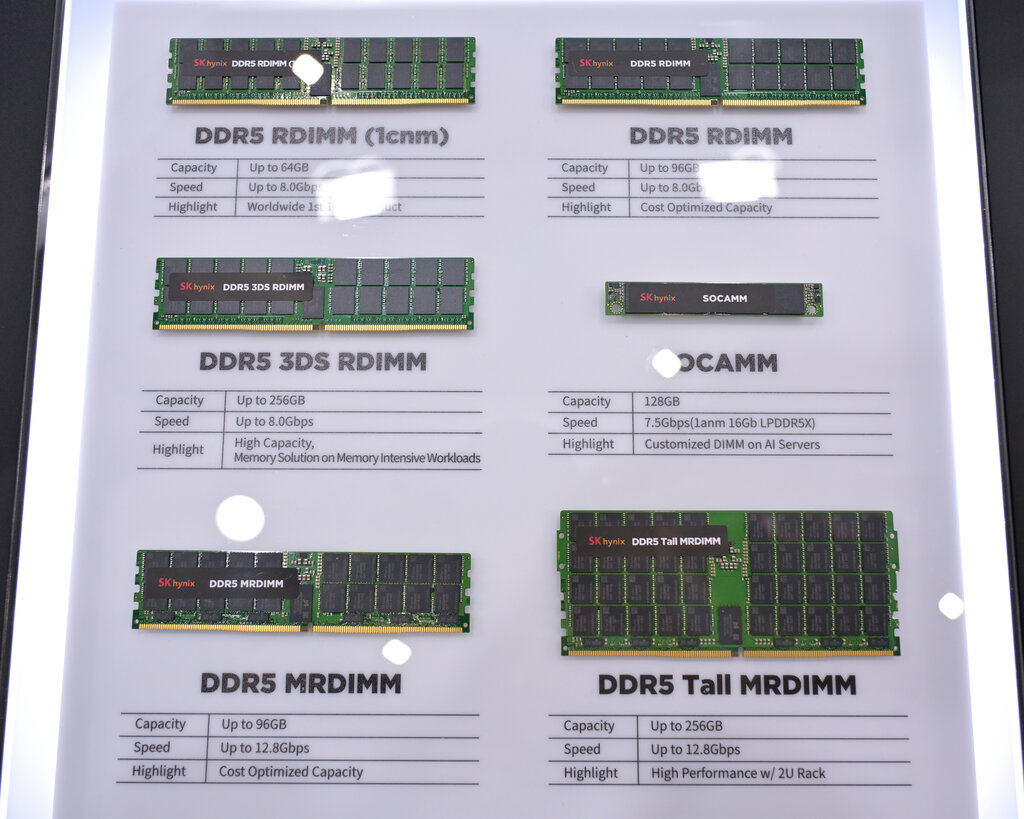
One of the most significant hardware upgrades in the X10 storage servers is the adoption of DDR5 DRAM. This is the latest generation of mainstream server memory, offering substantial improvements over the DDR4 used in previous models.
DDR5 provides much higher memory bandwidth, meaning data can be read from and written to the memory chips at a much faster rate. This increased speed is crucial for feeding the powerful CPUs with the data they need to process. The servers can also support a larger total memory capacity, allowing more data to be cached directly in the fastest tier of storage.
Having faster, larger memory is only half the battle. The system also needs an efficient way for database servers to access that memory without creating bottlenecks. This is where a major software innovation comes into play.
Accessing Data with XRMEM
Exadata X10 introduces a feature called Exadata RDMA Memory, or XRMEM. It leverages a technology called Remote Direct Memory Access (RDMA) to fundamentally change how database servers retrieve data from storage servers.
In a traditional setup, when a database server needs data, it sends a request over the network. The storage server's CPU has to process that request, fetch the data from its memory, and send it back. This involves multiple steps and uses up CPU cycles on the storage server.
RDMA allows the database server to bypass the storage server's CPU and operating system entirely. It can read directly from the storage server's memory over the network as if it were local. This cuts out the middleman, dramatically reducing latency for read operations.
XRMEM effectively turns the combined DDR5 DRAM of all storage servers into a massive, shared cache for the database. When a piece of data is needed, the database server can check this remote memory cache first. If the data is there, it can be retrieved with single-digit microsecond latency, which is significantly faster than going to flash storage.
More Power for Analytics
The final piece of the X10 puzzle is a major increase in the processing power within the storage servers. The number of CPU cores has been boosted significantly. While XRMEM helps bypass these cores for some reads, they are still vital for many of Exadata's unique 'smart' capabilities.
For large analytical queries, a feature called Smart Scan allows the storage servers to filter and process data before sending it to the database servers. This offloading dramatically reduces the amount of data that needs to travel over the network. With more CPU cores, the storage servers can perform this filtering and processing on more data streams in parallel, leading to a massive boost in performance for complex analytics and reporting.
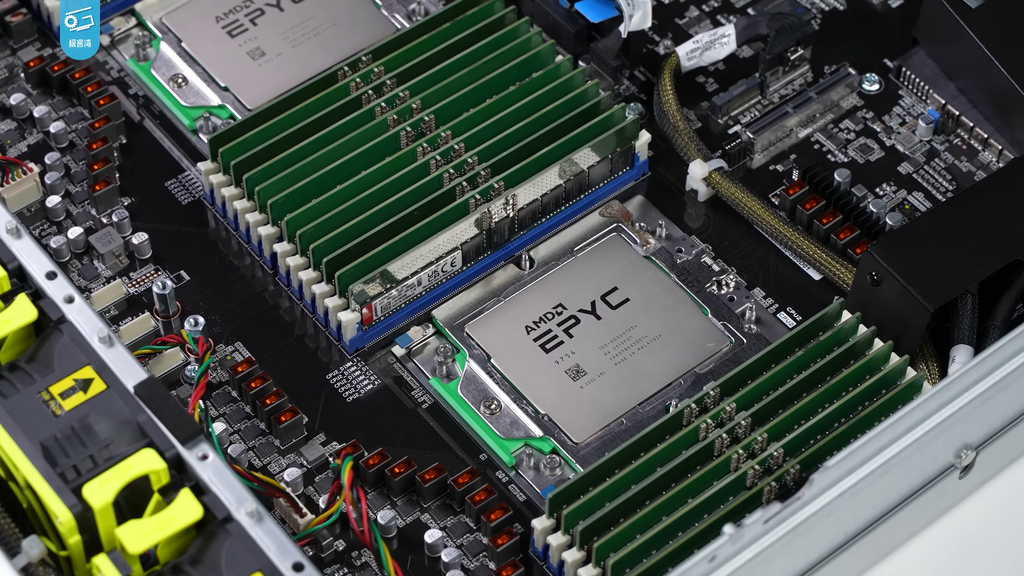
This combination of faster memory, direct access, and increased parallelism allows the Exadata X10 to handle demanding database workloads more effectively than ever before.
What is the primary advantage of upgrading the storage servers in Exadata X10 to DDR5 DRAM?
How does Exadata RDMA Memory (XRMEM) improve data retrieval speed for read operations?