Mastering Operational Excellence
Introduction to Operational Excellence
What is Operational Excellence?
Operational Excellence, often called OpEx, is a mindset where a company constantly seeks to improve every aspect of its operations. It’s not about a one-time fix or a single project. Instead, it’s a culture dedicated to making processes smoother, more efficient, and more effective for customers.
Think of it like a world-class orchestra. The musicians don't just learn a piece of music once and then play it perfectly forever. They practice constantly, listen to each other, and find small ways to improve their performance every single time they play. They work together to create a flawless experience for the audience. An operationally excellent business does the same thing, but with its products and services.
Operational excellence is the relentless pursuit of improved efficiency, quality, and effectiveness in all business operations.
The goal isn't just to cut costs. It's about creating more value for the customer by delivering higher quality products, faster service, and more reliable outcomes. This continuous drive for improvement helps a company stay competitive, satisfy its customers, and create a more rewarding environment for its employees.
The Core Principles
Operational Excellence is guided by a few key ideas. These principles help shape the culture and direct the efforts of everyone in the organization.
Focus on the Customer: Everything starts and ends with the customer. The primary goal of any process improvement is to deliver more value to them. This means understanding what they need and designing processes to meet those needs flawlessly.
Empower Employees: The people who do the work every day are the real experts. Operational Excellence relies on their insights and ideas. When employees are empowered to identify problems and suggest solutions, the entire organization gets smarter and more adaptable.
Respect Every Individual: This principle goes hand-in-hand with empowerment. It involves creating an environment of trust where people feel safe to experiment, make mistakes, and learn from them.
Think Systemically: Instead of just fixing one small part of a problem, OpEx encourages looking at the entire system. How do different processes connect? A change in one area might have unexpected effects elsewhere. Understanding the whole picture leads to more effective, lasting solutions.
A Culture of Improvement
Ultimately, OpEx is not a program with a start and end date. It's an ongoing journey—a culture of continuous improvement. This means everyone, from the CEO to the front-line worker, is constantly asking, "How can we do this better?"
To help build this culture, organizations often use structured methodologies. You might hear terms like Lean, which focuses on eliminating waste, or Six Sigma, which aims to reduce defects and variation in processes. These frameworks provide tools and techniques, but the real power comes from the underlying mindset of always striving for perfection.
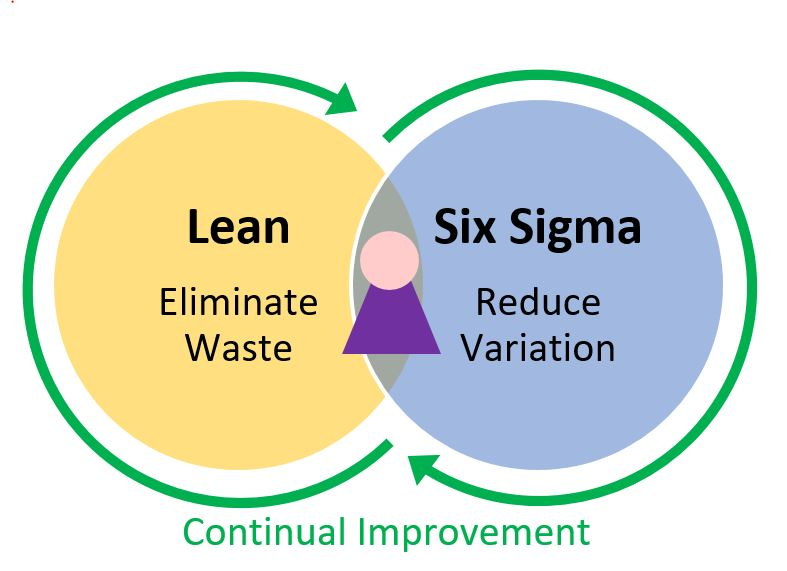
When a company successfully builds this culture, the benefits are clear. Processes become more reliable, quality goes up, and costs go down. More importantly, the business becomes more agile and resilient, able to adapt to changing customer needs and market conditions.
Now, let's test your understanding of these foundational concepts.
What is the primary goal of Operational Excellence?
Which of the following best describes the principle of 'thinking systemically' in Operational Excellence?
Understanding these core ideas is the first step toward seeing how businesses can transform their performance from the inside out.