Mastering Operational AI Thinking
Introduction to AI Systems
The Building Blocks of AI
At its heart, an AI system works a lot like a highly efficient personal assistant. You give it a task, it figures out how to do it, and then it delivers the result. This process breaks down into three main parts: input, processing, and output.
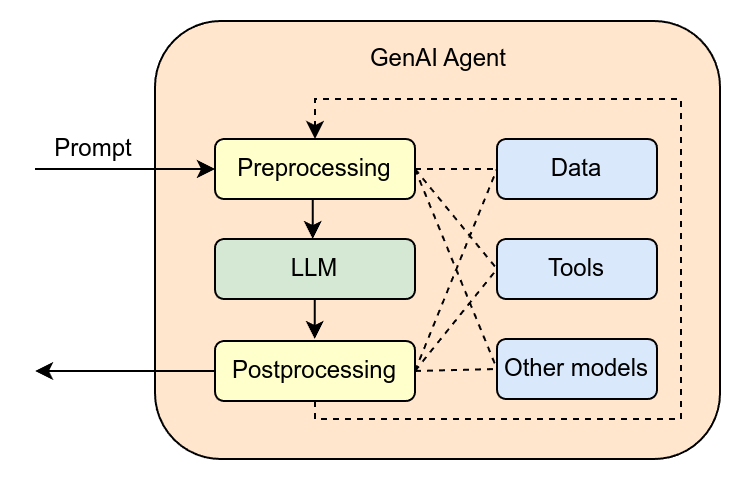
The input is whatever you give the AI. This could be a question you type, a photo you upload, or a command you speak. The system then takes this input and prepares it for the main event: processing.
The processing unit is the brain of the operation. This is where the AI model uses its complex programming and learned knowledge to make sense of your request. It's not just following a rigid set of instructions; it's interpreting, analyzing, and deciding on the best course of action. This is all guided by algorithms.
Finally, the output is the result the AI generates. It could be the text of an email, a translated sentence, a summary of a long document, or a picture created from your description.
Algorithm
noun
A set of step-by-step instructions or rules that a computer follows to perform a task or solve a problem.
The Learning Machine
So how does the AI's "brain" get so smart? It's not by having programmers manually write rules for every possible situation. Instead, most modern AI systems learn through a process called machine learning.
Imagine teaching a child to recognize a cat. You don't list out rules like "has pointy ears, four legs, and a tail." You just show them lots of pictures of cats. Eventually, they learn the pattern and can identify a cat they've never seen before.
Machine learning works in a similar way. Developers feed an AI model vast amounts of data—called training data—related to a specific task. The model analyzes this data, identifies patterns, and adjusts its internal parameters to get better at the task. This process is often cyclical, with the model being continually monitored and retrained to improve its performance over time.
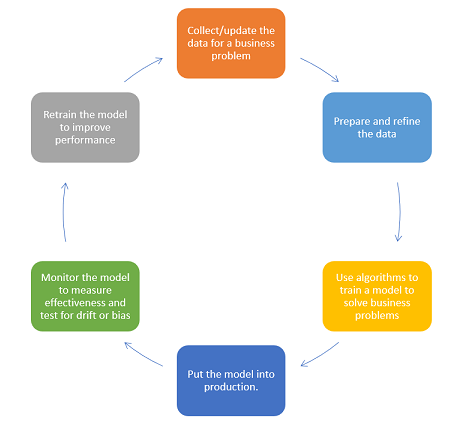
The AI model is the core component that has been trained on data to recognize patterns and make decisions.
Data is the Fuel
An AI is only as good as the data it learns from. Just as a chef needs high-quality ingredients, an AI needs clean, relevant, and extensive data to perform well. The process of getting this data ready is just as important as the learning itself.
It starts with collecting raw data from various sources. This data is often messy, incomplete, or irrelevant. So, the next step is data processing, or data preparation. This involves cleaning the data (removing errors), organizing it, and transforming it into a format the AI model can understand. Think of it as sorting, washing, and chopping vegetables before you start cooking.
Once the data is prepared, key features or characteristics are extracted for the model to focus on. This helps the AI learn more efficiently by concentrating on the most important information.
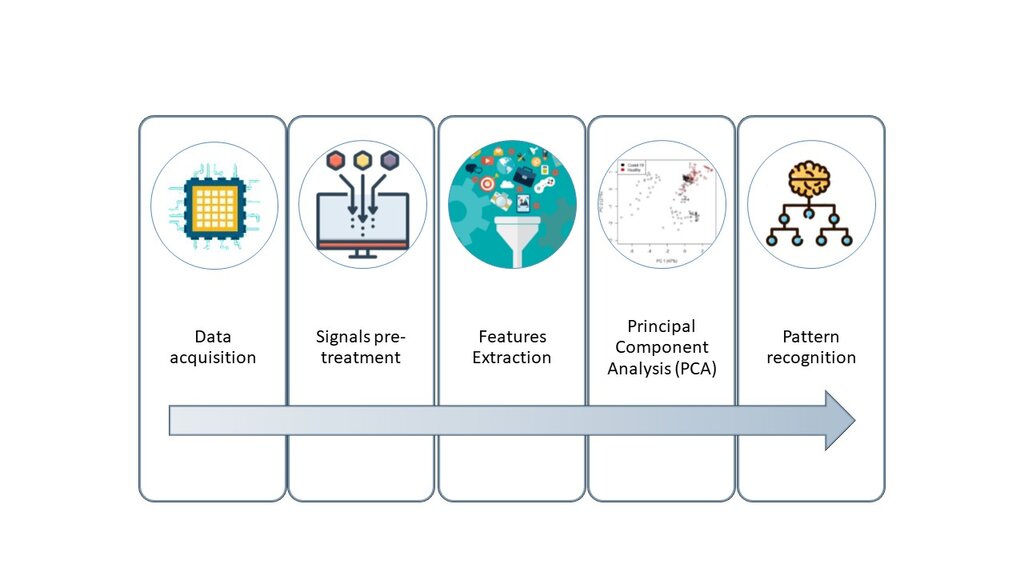
The quality and quantity of the training data directly impact the AI's ability to generalize what it has learned to new, unseen situations. Poor data can lead to biased or inaccurate results.
AI in Action
AI systems are no longer just concepts in science fiction; they're integrated into many tools we use daily. Their applications are incredibly diverse, from simple conveniences to complex problem-solving.
For example, AI powers the translation apps that help us communicate across language barriers. It's behind the summarization tools that can condense a 20-page report into a few key paragraphs. Streaming services use AI to analyze your viewing habits and recommend movies you might like.
In more specialized fields, AI helps doctors diagnose diseases from medical images, aids scientists in discovering new materials, and optimizes complex logistics for shipping companies.
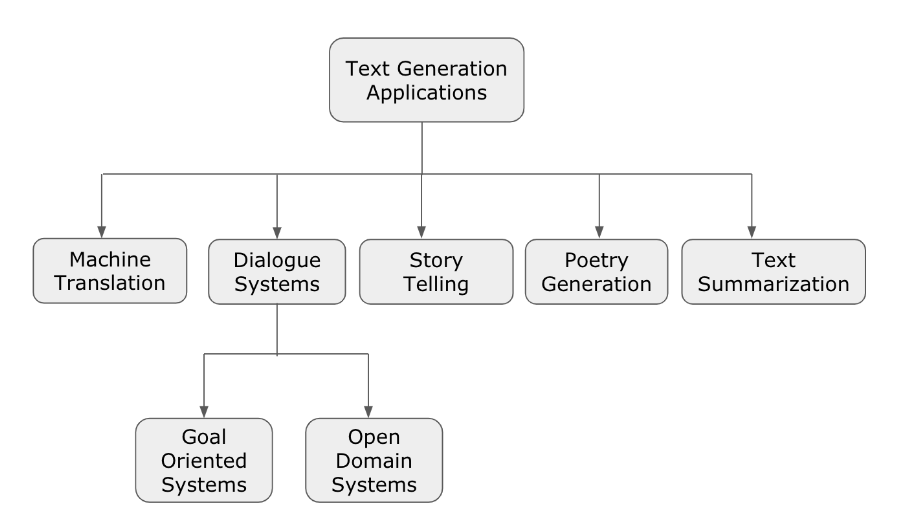
Each of these applications relies on the same fundamental principles: processing input through a trained model to produce a useful output. As the models become more sophisticated and the data more comprehensive, the range of what AI can do continues to expand.
Let's review the key terms we've covered.
Now, let's check your understanding of these core concepts.
What are the three fundamental stages of how an AI system operates?
The process of cleaning, organizing, and transforming raw data into a format an AI model can understand is known as _________.
Understanding these basic components is the first step toward mastering how to interact with and leverage AI effectively. By knowing what happens under the hood, you can better shape your instructions to get the results you need.