Mastering Office Automation
Introduction to Bureautique
The Rise of the Digital Office
Before computers, offices ran on paper, ink, and a lot of manual effort. Information was typed on rattling typewriters, copied with carbon paper, and stored in heavy filing cabinets. Finding a single document could take hours. This system worked, but it was slow, prone to errors, and incredibly inefficient.
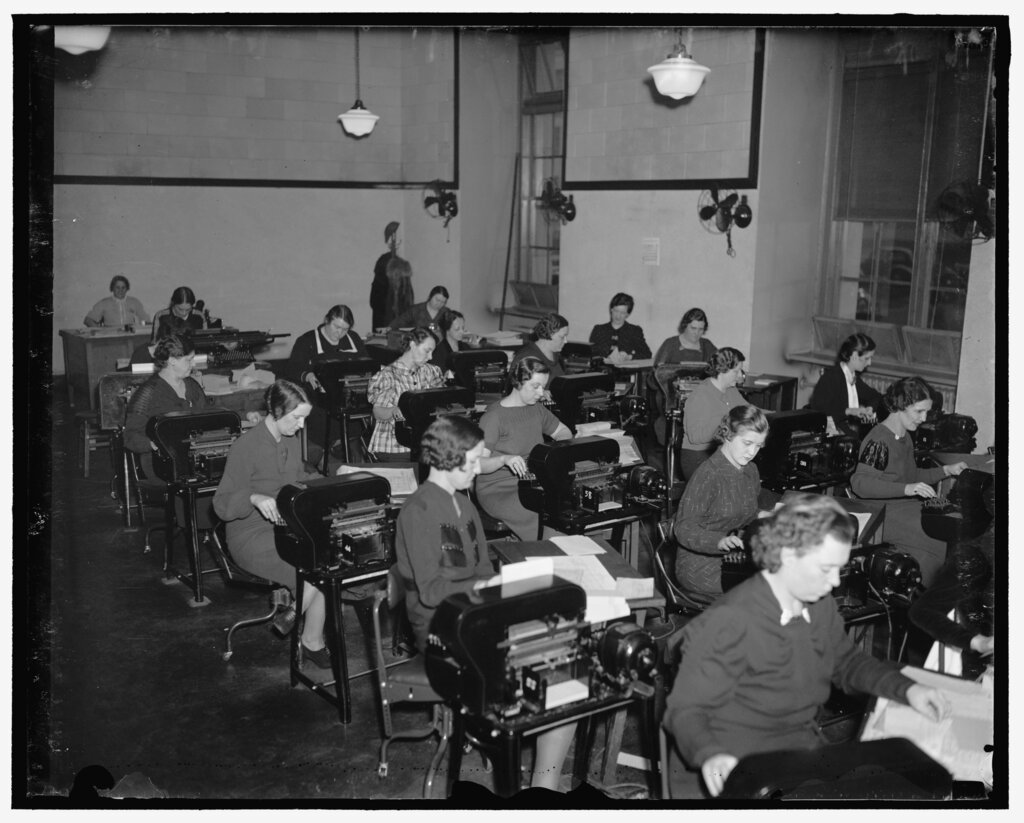
Then came a revolution. The introduction of computers and software began to transform the workplace, leading to what is known in French as bureautique, or office automation. It’s a broad term for using technology to handle the daily flow of information.
Bureautique
noun
The use of computer hardware and software to create, collect, store, manipulate, and share office information digitally to accomplish tasks.
This isn't just about replacing typewriters with word processors. Office automation is a complete rethinking of how work gets done. It covers everything from sending an email to managing a complex customer database or collaborating on a project with a team across the globe.
How Information Flows
At its heart, office automation is about managing the lifecycle of information. This process generally follows four fundamental steps, creating a continuous loop that keeps a modern office running.
First, information is captured. This could be anything from typing notes into a document to scanning a paper invoice or receiving customer data through a web form. The goal is to get raw information into a digital format.
Next, that information is stored. Instead of a filing cabinet, it goes into a database, a folder on a shared drive, or a cloud storage system. Good storage makes information organized, secure, and easy to find later.
Then, the information is manipulated. This is where the actual work happens. It could be as simple as editing a report, or as complex as running calculations on sales data in a spreadsheet to create a forecast.
Finally, the processed information is relayed to others. This happens through email, messaging apps, presentations, or automated reports. Effective communication ensures everyone has the information they need to make decisions.
The Benefits of Automation
Adopting office automation isn't just about keeping up with technology. It brings tangible advantages that change how businesses operate.
One of the most significant benefits is a massive boost in productivity. When repetitive tasks are automated, employees can complete their work faster and with fewer errors. Think about a payroll system that automatically calculates taxes and deductions versus someone doing it manually with a calculator. The difference is night and day.
Automation also improves data management. Digital systems make it easier to secure sensitive information, track changes to documents, and ensure that everyone is working from the most up-to-date version. This reduces confusion and costly mistakes.
By handling the repetitive, rule-based tasks, automation frees up human workers to focus on creative problem-solving, strategy, and other high-value work.
Ultimately, better tools lead to better collaboration. Teams can share files instantly, work on the same document simultaneously, and communicate regardless of their physical location. This flexibility is essential in today's global and often remote work environment.
Business process automation is a booming multi-billion-dollar industry that promises to remove menial tasks from workers' plates -- through the introduction of autonomous agents -- and free up their time and brain power for more creative and engaging tasks.
Let's review the key ideas before we move on.
Now, check your understanding with a few questions.
What is the primary goal of office automation, also known as bureautique?
An employee runs calculations on sales data in a spreadsheet to create a quarterly forecast. In the context of the information lifecycle, which step does this action represent?
Office automation has fundamentally reshaped the modern workplace from a paper-based past to a dynamic, digital present. By managing the flow of information efficiently, it allows businesses to operate faster and more intelligently.