Mastering NotebookLM Prompts
Understanding ADHD and Productivity
The ADHD Brain at Work
Attention-Deficit/Hyperactivity Disorder (ADHD) isn't a simple lack of focus. It's a neurodevelopmental condition that changes how the brain regulates attention, emotion, and impulse control. For an entrepreneur, this presents a unique set of both challenges and potential advantages.
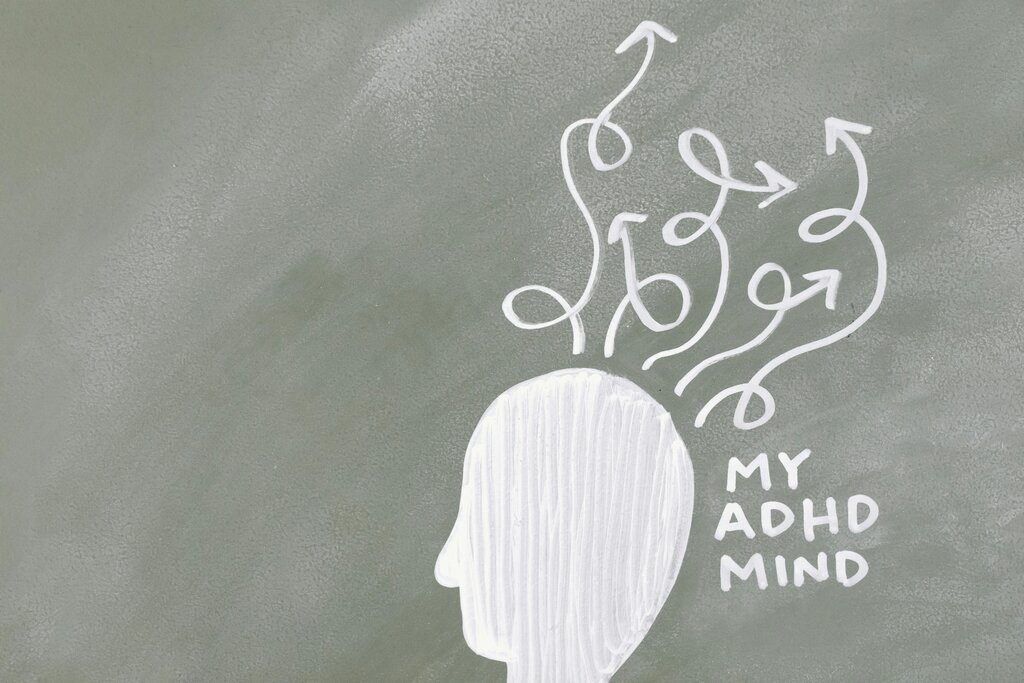
The ADHD brain operates on an interest-based nervous system. This means attention isn't directed by what's most important or urgent, but by what's most engaging, novel, or personally meaningful. When a task captures their interest, a person with ADHD can enter a state of intense concentration called hyperfocus, blocking out everything else and achieving incredible amounts of work in a short time.
Conversely, when a task is mundane or uninspiring—like bookkeeping or answering routine emails—the brain can actively resist engagement. It’s not a matter of willpower; it’s a neurological reality. This can lead to procrastination and a cycle of feeling overwhelmed by seemingly simple administrative duties.
One universal truth for individuals of all ages with ADHD is that attention is best sustained when tasks are interesting and meaningful.
Strengths and Struggles
Many traits that make entrepreneurship challenging for those with ADHD are also the source of their greatest strengths. The key is understanding how these traits manifest.
| Strength | Corresponding Challenge |
|---|---|
| Creativity & Idea Generation | Difficulty with Execution & Follow-through |
| A mind that makes novel connections is great for innovation, but it can struggle to stick with one idea long enough to see it to completion. | |
| Hyperfocus | Time Blindness & Neglecting Other Tasks |
| The ability to dive deep into a problem is a superpower, but it often comes with a poor sense of time and the tendency to ignore other important responsibilities. | |
| Resilience & Risk-Taking | Impulsivity & Poor Planning |
| A willingness to take risks is vital for a startup, but it can lead to impulsive decisions if not balanced with careful consideration and strategy. | |
| High Energy & Passion | Burnout & Inconsistent Motivation |
| Passion can fuel long hours and inspire a team, but relying on bursts of energy without structure can lead to exhaustion and periods of low productivity. |
Recognizing this duality is the first step. The goal isn't to “cure” the ADHD traits, but to build systems that amplify the strengths while providing support for the challenges. An entrepreneur who constantly generates new ideas might need a trusted partner to manage project execution. Someone prone to hyperfocus might need external reminders to take breaks or switch tasks.
Strategies for Your Brain
Instead of forcing your brain to work in a way that feels unnatural, you can adopt strategies that align with its wiring. This isn't about finding the “perfect” productivity app, but about shifting your fundamental approach to work.
Structure is your best friend when you manage ADHD.
Here are a few foundational ideas for building an ADHD-friendly work system:
-
Externalize Everything: Your brain is for having ideas, not for holding them. Offload reminders, deadlines, and key information to an external system you trust, whether it’s a notebook, a whiteboard, or a digital tool. This frees up mental bandwidth.
-
Create Novelty and Urgency: Since the ADHD brain craves stimulation, you can
Here are a few foundational ideas for building an ADHD-friendly work system:
-
Externalize Everything: Your brain is for having ideas, not for holding them. Offload reminders, deadlines, and key information to an external system you trust, whether it’s a notebook, a whiteboard, or a digital tool. This frees up mental bandwidth.
-
Create Novelty and Urgency: Since the ADHD brain craves stimulation, you can "gamify" your work. Break large projects into small, achievable challenges. Set short, artificial deadlines to create a sense of urgency that helps initiate tasks.
-
Body Doubling: This simple technique involves working alongside another person, even if you aren't collaborating. Their quiet presence provides a sense of accountability and can make it easier to stay on task. This can be done in person or virtually.
-
Design Your Environment: Reduce friction for important tasks and add friction for distractions. If you need to focus, put your phone in another room. If you want to remember to take your vitamins, put them right next to your coffee maker. Small environmental tweaks can have a big impact.
The attention system of an individual with ADHD is best described as:
An entrepreneur with ADHD spends 10 hours straight coding a new feature they are passionate about, forgetting to eat or check their email. This is a classic example of:
Understanding these core concepts is the first step toward building a business that thrives not in spite of your ADHD, but because of it.