Mastering Nonviolent Communication
Introduction to Nonviolent Communication
A New Way to Communicate
Most of us want to connect with others in a genuine and compassionate way. Yet, our words can sometimes create misunderstanding, hurt, or distance. Nonviolent Communication, or NVC, offers a different path. Developed by psychologist Marshall Rosenberg in the 1960s, NVC is a way of communicating that helps us express ourselves clearly and listen to others with empathy.
The goal isn’t to “win” arguments or change people. Instead, it’s about fostering understanding and connection so that everyone’s needs can be met peacefully.
The primary goal of NVC is to create a quality of connection among people where everyone's needs are met through compassionate giving.
The Four Components
NVC provides a simple but powerful four-step framework. It guides us away from habitual reactions and toward conscious responses. By focusing on these four areas, we can express what's alive in us without blaming or criticizing others, and we can hear what's alive in them, even when their words are harsh.
Here’s a quick look at each part:
-
Observation: State what you are seeing or hearing without adding any judgment or evaluation. For example, instead of saying, “You’re always late,” you might say, “I noticed you arrived 15 minutes after our meeting was scheduled to start.”
-
Feelings: Express the emotion you are experiencing. This step is about vulnerability and honesty. You could say, “I feel frustrated,” rather than, “I feel like you don’t respect my time.”
-
Needs: Identify the universal need that is connected to your feeling. Needs are common to all people, like the need for respect, support, or belonging. For instance, “...because my need for reliability isn't being met.”
-
Request: Make a clear, positive, and concrete request for an action that might fulfill your need. A request is not a demand. You might ask, “Would you be willing to send me a text if you’re running late in the future?”
Empathy as the Foundation
At the heart of NVC is empathy, the ability to understand and share the feelings of another. It's about listening not just to the words someone says, but to the feelings and needs behind them. When we listen with empathy, we create a space of safety and respect, which allows for true connection.
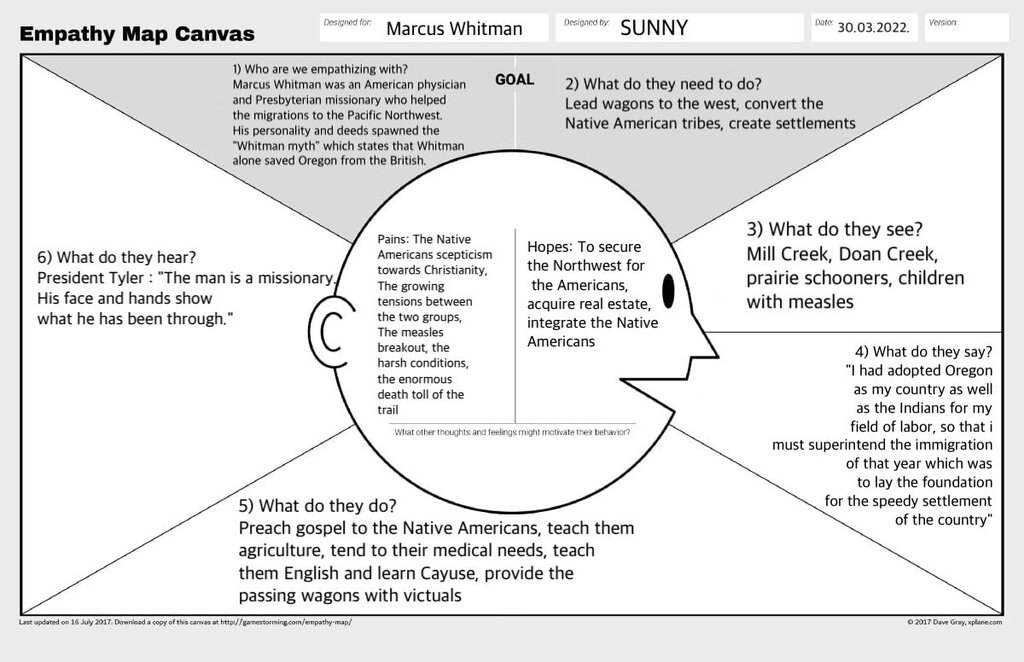
Empathy in NVC is a two-way street. We offer empathy to others by trying to understand their observations, feelings, needs, and requests. We also practice self-empathy by paying attention to our own inner experience with the same compassionate lens. This practice helps us move beyond blame and judgment, both of ourselves and others, opening the door to more peaceful resolutions.
This framework is the first step toward transforming conversations and building stronger, more compassionate relationships.