Mastering NGO Freight Logistics
Humanitarian Procurement Foundations
The Starting Line for Aid
When a disaster strikes, the clock starts ticking. People need food, water, medicine, and shelter immediately. But where do these supplies come from? They don't just appear. They have to be bought and delivered. This process of acquiring the right goods and services is called procurement.
For a humanitarian organization, procurement isn't like a regular shopping trip. It's a high-stakes, complex operation that forms the very first link in the humanitarian supply chain. Getting it wrong means the wrong medicine arrives, the food is spoiled, or the tents don't withstand the rain. Getting it right means lives are saved.
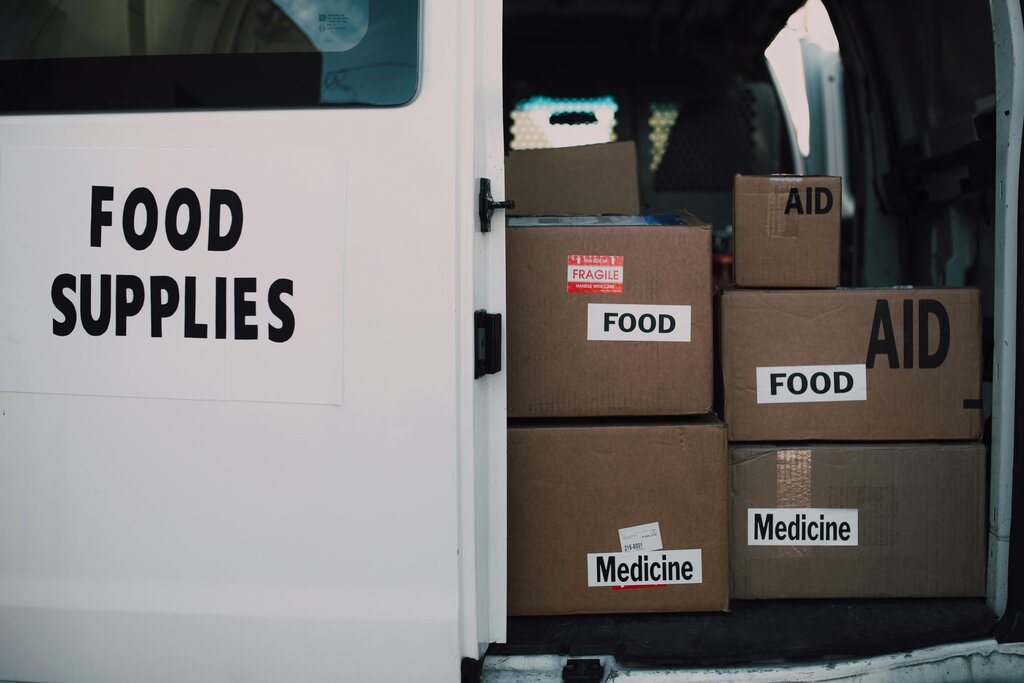
Humanitarian procurement is different from buying for a business. The environment is often chaotic and insecure. The need is urgent, leaving little room for error. And the money often comes from donors who have strict rules about how it's spent. Every decision must be fast, fair, and transparent.
The Six Rights
To navigate these challenges, logisticians rely on a simple but powerful framework: the 'Six Rights' of procurement. Think of it as a checklist to ensure every purchase is as effective as possible. Missing even one of these 'Rights' can cause major problems down the line.
| Right | What It Means | Why It Matters |
|---|---|---|
| Source | Buying from a reliable, ethical supplier. | A bad supplier can provide shoddy goods or disappear when you need them most. |
| Quality | Getting goods that meet the specific needs of the situation. | Low-quality medical supplies can be dangerous; flimsy tents offer no protection. |
| Quantity | Ordering the exact amount needed—no more, no less. | Too little leaves people without aid; too much is a waste of precious funds. |
| Place | Arranging for delivery to the correct location. | Supplies are useless if they arrive in the wrong city or can't get past a roadblock. |
| Time | Ensuring the goods arrive when they are needed. | Emergency supplies arriving two weeks late might as well not have arrived at all. |
| Price | Paying a fair and reasonable cost for the goods. | This isn't just about being cheap; it's about maximizing the impact of every dollar donated. |
Achieving all six rights requires a structured and disciplined process. It begins with clearly defining exactly what is needed.
From Need to Bid
You can't buy the right thing if you don't know what the right thing is. This is where come in. These are highly detailed descriptions of each item required. Just asking for “blankets” isn't enough. Are they for a tropical or arctic climate? Do they need to be waterproof? What size should they be? Clear specifications prevent misunderstandings and ensure the items received are fit for purpose.
Bad Specification: 1000 blankets.
Good Specification: 1000 high-thermal retention blankets, 150cm x 200cm, 70% wool blend, flame retardant, individually packed in waterproof bags.
Once the needs are specified, the search for a supplier begins. This process, known as sourcing, involves finding companies that can provide the goods. But not just any company will do. Every potential supplier must undergo to check their financial stability, past performance, and ethical record. This ensures that the chosen partner is reliable and won't put the organization's reputation at risk.
A core part of humanitarian work is neutrality. Aid organizations must be seen as impartial. This principle extends to procurement. They must avoid buying from suppliers linked to any side in a conflict. This commitment to also means rejecting companies that use child labor or have poor environmental records. Whenever possible, agencies try to buy from local suppliers to support the regional economy, but only if they can meet the strict quality and vetting standards.
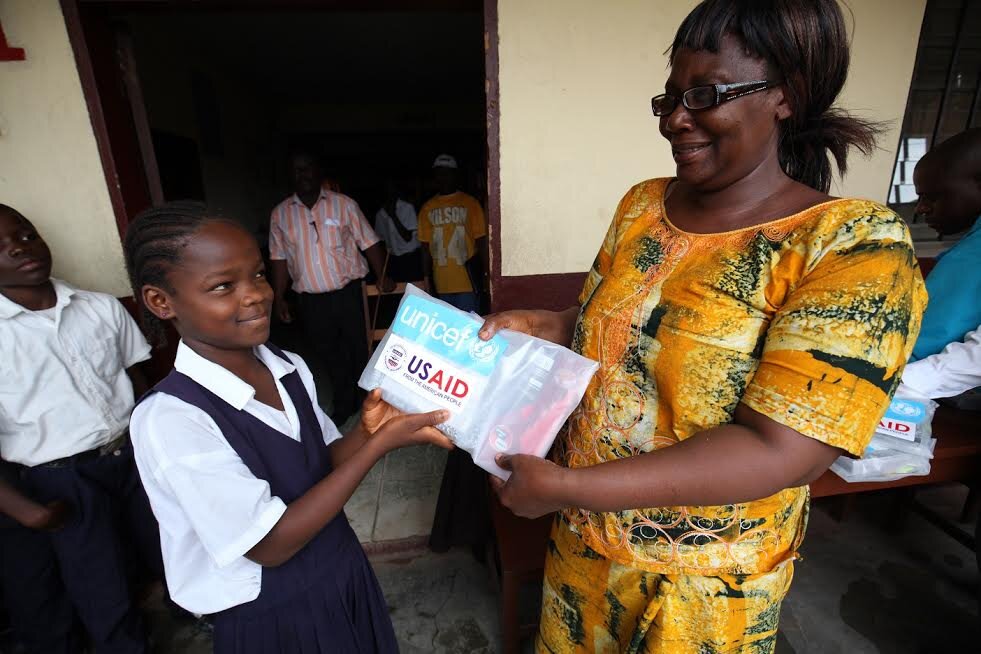
With a list of vetted suppliers, the solicitation process begins. This is the formal request for vendors to submit a bid. Common methods include a Request for Quotation (RFQ) for simple goods or an Invitation to Bid (ITB) for more complex orders. The process is designed to be competitive and transparent, ensuring the organization gets the best value. Suppliers submit their offers, and the procurement team evaluates them based not just on price, but on quality, delivery time, and their ability to meet all technical specifications.
This careful, step-by-step process ensures that the vast and complex machinery of humanitarian aid starts with the right fuel. The decisions made in the procurement office directly impact the lives of people hundreds or thousands of miles away.
What is the primary role of procurement in a humanitarian context?
Why is creating detailed 'Technical Specifications' a critical first step in procurement?