Mastering Negotiation with Chris Voss
Tactical Empathy
The Empathy Advantage
Empathy is often seen as a soft skill, something nice to have but not essential for tough negotiations. Tactical empathy flips that idea on its head. It’s a deliberate, strategic approach to understanding the person across the table. It isn’t about agreeing with them or feeling sorry for them. It’s about recognizing and verbalizing their perspective to build trust and gather information.
Tactical empathy means recognizing and verbalizing another person’s perspective and emotions to build trust and influence their thinking.
Think of it as emotional data collection. By understanding the other person's fears, motivations, and desires, you gain insight into what's driving their decisions. When people feel heard, their defenses lower. They become more willing to listen and collaborate, creating a path to an agreement that might have otherwise been blocked by emotion and misunderstanding.
Reading the Room
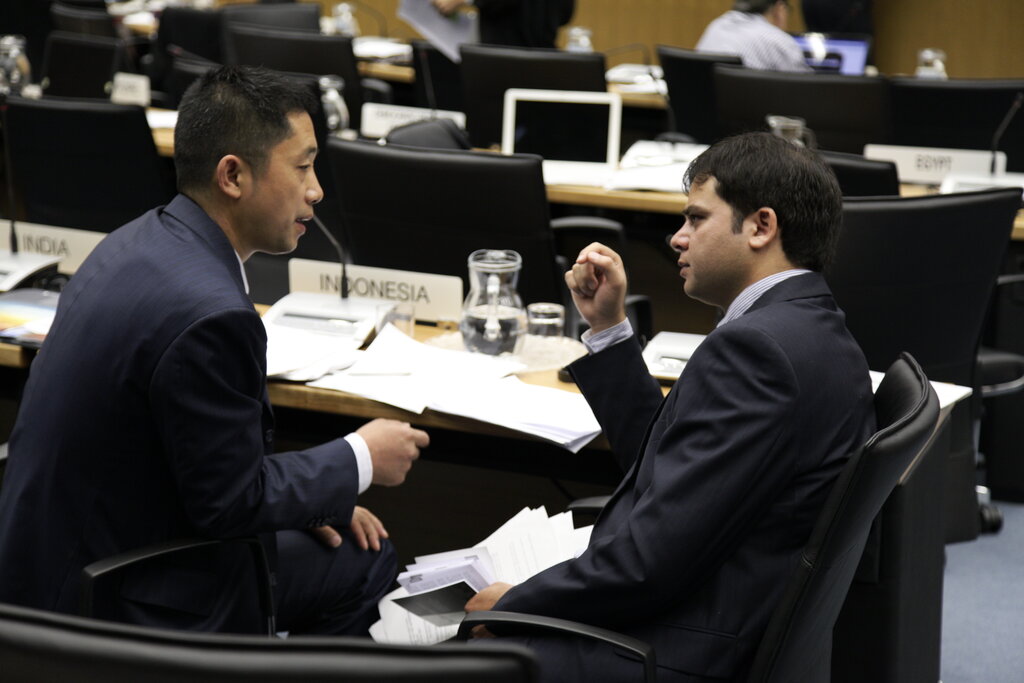
To apply tactical empathy, you first need to spot the emotional currents in a conversation. People broadcast their feelings constantly, often without realizing it. Pay close attention to three key areas:
- Tone of Voice: Is their pitch high and tight, suggesting stress? Or is it low and slow, indicating calm or fatigue? A sudden change in tone is a major clue.
- Body Language: Are their arms crossed defensively? Are they leaning in, engaged, or leaning back, disengaged? Non-verbal cues often speak louder than words.
- Word Choice: The specific words someone uses can reveal their underlying feelings. Phrases like "I'm not sure" or "I guess" can signal uncertainty, while absolute terms like "never" or "always" often point to frustration.
Verbalizing What You See
Once you've identified an emotion, the next step is to verbalize it. This is done through a technique called labeling. A label is a simple, non-judgmental statement that gives voice to the other person's feeling. It often starts with phrases like:
- "It seems like..."
- "It sounds like..."
- "It looks like..."
These phrases are intentionally soft. They're observations, not accusations, which gives the other person a chance to confirm, deny, or expand on the feeling without becoming defensive. After you state the label, pause. Let the silence do the work. The other person will almost always fill it, often providing more information.
For example, if someone says, "I've been working on this project for six months with no support," a good label would be: "It seems like you feel really frustrated and alone in this."
Labeling demonstrates that you're not just listening to their words, but you're hearing the emotion behind them. This simple act builds a powerful sense of connection and trust.
| What They Say | The Emotion to Label | How to Label It |
|---|---|---|
| "This is the third time we've had this conversation." | Impatience, Frustration | "It seems like you're worried we aren't making progress." |
| "I'm just not sure we can meet that deadline." | Anxiety, Concern | "It sounds like you're concerned about the feasibility of the timeline." |
| "They promised me a promotion and it never happened." | Disappointment, Mistrust | "It looks like you feel let down." |
Now let's test your understanding of these core concepts.
What is the primary goal of tactical empathy in a negotiation?
Which of the following is the most effective way to apply the "labeling" technique?
Applying tactical empathy is a skill that develops with practice. By focusing on understanding before being understood, you can transform difficult conversations into collaborative problem-solving sessions.