Mastering Negotiation Principles
Introduction to Negotiation
What is Negotiation?
Negotiation is a conversation aimed at reaching an agreement. It's a fundamental part of how we interact with others to get what we need, from deciding where to eat with friends to navigating a major business deal. We negotiate all the time, often without even realizing it.
Think about it. Planning a vacation with your family? That's a negotiation. Discussing a project deadline with your boss? Also a negotiation. The goal isn't to "win" a fight, but to solve a problem together. When done well, it strengthens relationships and leads to better outcomes for everyone involved.
Negotiation
noun
A strategic discussion that resolves an issue in a way that both parties find acceptable.
Understanding the basics of negotiation helps you advocate for your interests clearly and confidently while also understanding the needs of others. It’s a skill that serves you in your career, your personal life, and everywhere in between.
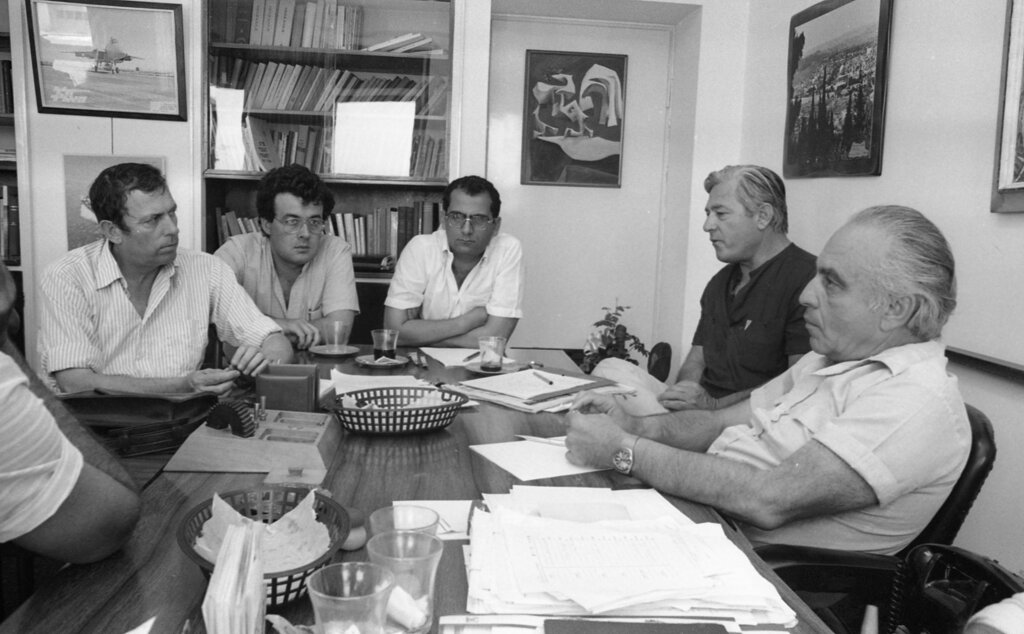
Two Paths to Agreement
Not all negotiations are the same. They generally fall into two categories: distributive and integrative. Understanding the difference helps you choose the right approach for your situation.
Distributive negotiation is a 'fixed-pie' situation. Imagine you're haggling over the price of a used bike at a garage sale. The seller wants the highest price, and you want the lowest. Every dollar you save is a dollar the seller loses. This type of negotiation is competitive and focuses on claiming as much value as possible from a limited resource.
In distributive negotiation, one party's gain is often the other party's loss. It’s a classic win-lose scenario.
Integrative negotiation, on the other hand, is about expanding the pie. It's a collaborative, 'win-win' approach. Instead of fighting over a fixed resource, both sides work together to find creative solutions that meet everyone's underlying interests.
A classic example involves two chefs who both need the last lemon in the kitchen. A distributive approach would be to cut it in half. But by talking, they learn one needs the juice for a drink and the other needs the zest for a cake. The integrative solution? One chef gets all the juice, and the other gets all the peel. Both get exactly what they want.
| Feature | Distributive Negotiation | Integrative Negotiation |
|---|---|---|
| Goal | Claiming value (win-lose) | Creating value (win-win) |
| Motivation | Individual gain | Mutual gain |
| Relationship | Short-term, often adversarial | Long-term, collaborative |
| Interests | Opposed | Convergent or complementary |
The Power of Preparation
Walking into a negotiation unprepared is like trying to build furniture without instructions. You might get it done, but the result won't be pretty. Thorough preparation is the single most important factor in a successful negotiation.
So, what does good preparation look like? It starts with answering a few key questions:
- What are my goals? Be specific. What do you absolutely need to walk away with (your 'must-haves')? What would be nice to get (your 'wants')? Knowing your priorities keeps you focused.
- What are their goals? Try to put yourself in the other person's shoes. What do they likely want? What pressures might they be facing? Understanding their perspective is crucial for finding common ground.
- What is the context? Gather relevant information. If you're negotiating a salary, research industry standards. If you're buying a car, check its market value. Facts and data are your best friends.
Strong negotiations begin with deliberate preparation.
Preparation builds confidence and gives you the clarity to think on your feet. Don't skip it.
Communication is Key
Once you're at the table, success hinges on communication. It's not just about what you say, but how you say it and, just as importantly, how you listen.
Effective negotiators are masters of active listening. This means you're not just waiting for your turn to speak. You're genuinely trying to understand the other side's perspective, needs, and concerns. You can show you're listening by asking clarifying questions and summarizing their points to confirm you've understood correctly, like saying, 'So, if I'm hearing you right, your main concern is...'
Clarity is just as vital. State your own needs and proposals simply and directly. Avoid jargon or ambiguous language that could lead to misunderstandings. The goal is a clear, open dialogue that builds trust and moves both parties toward an agreement.
What is the primary goal of a successful negotiation?
A freelancer is discussing a project rate with a new client. The client has a fixed budget, and every dollar more for the freelancer is a dollar less for the client's project profit. This scenario is a classic example of:
By understanding these core concepts, you've taken the first step toward becoming a more effective and confident negotiator.