Mastering Musical Time Signatures
Introduction to Time Signatures
The Musical Blueprint
At the beginning of a piece of sheet music, right next to the clef, you'll find two numbers stacked like a fraction. This is the time signature. It's one of the most important symbols in music, acting as a blueprint for the rhythm of the entire piece.
The time signature tells you two things: how many beats are in each measure, and what kind of note gets one beat.
Think of a measure as a container. The time signature tells you how much rhythmic value each container can hold. Every measure in the piece will have the same total value, creating a steady, predictable pulse. This underlying pulse is what makes you want to tap your foot or dance along.
Top and Bottom Numbers
Let's break down what each number means. The top number is straightforward: it tells you how many beats are in a single measure. If the top number is 4, there are four beats in every measure. If it's 3, there are three beats.
The bottom number tells you which note value gets one beat. It works like a fraction:
- 4 means a quarter note ($ \quarter $) gets one beat.
- 2 means a half note ($ \half $) gets one beat.
- 8 means an eighth note ($ \eighthnote $) gets one beat.
A 4 on the bottom is the most common. In 4/4 time, the top 4 means there are four beats, and the bottom 4 means the quarter note gets one beat. So, a measure of 4/4 time can hold four quarter notes.
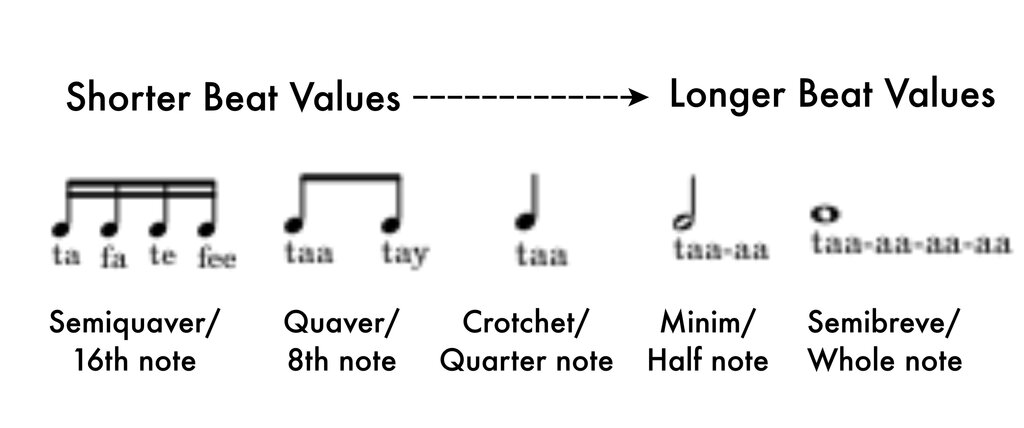
Let's try another one. What about 3/4 time? The top 3 means there are three beats per measure. The bottom 4 means the quarter note still gets one beat. So, a measure of 3/4 time can hold three quarter notes. This is the time signature used for waltzes.
Creating Rhythm and Meter
The time signature directly creates the meter, which is the recurring pattern of strong and weak beats that we feel in music. In most time signatures, the first beat of the measure is the strongest.
| Time Signature | Beats per Measure | Feel (Meter) |
|---|---|---|
| 4/4 | 4 | ONE-two-three-four |
| 3/4 | 3 | ONE-two-three |
| 2/4 | 2 | ONE-two |
This pattern of emphasis is why 4/4 time feels so solid and is used in most pop, rock, and country music. It's often called "common time." In contrast, the three-beat pattern of 3/4 time gives it a graceful, flowing feel perfect for a waltz.
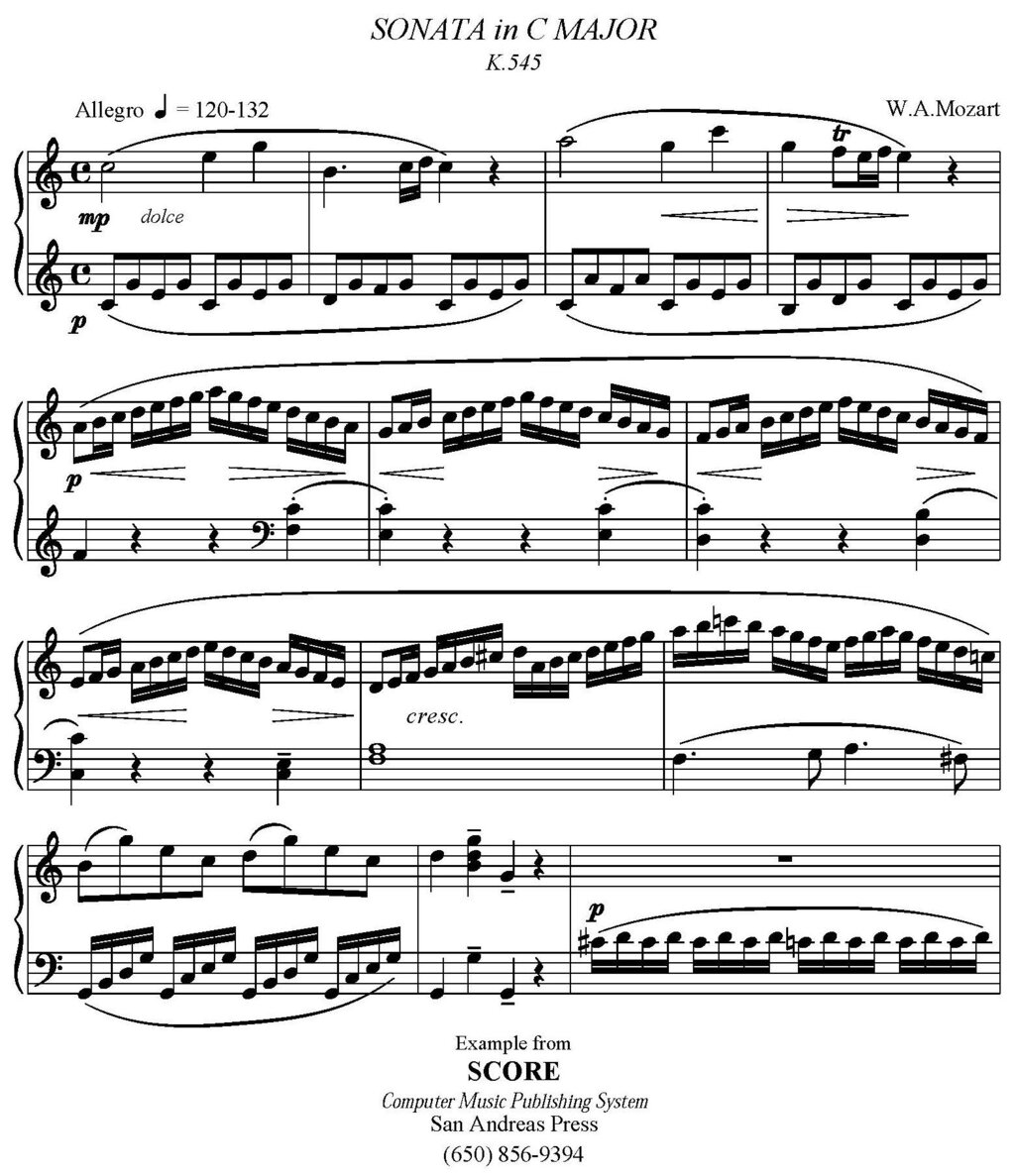
By setting the number of beats and defining which note gets a beat, the time signature provides the fundamental rhythmic framework for a piece of music. It's the silent conductor guiding the performer and the listener through the composition.
Ready to test your knowledge?
What information does a time signature provide in a piece of sheet music?
In a time signature like 4/4 or 3/4, what does the top number tell you?
Understanding time signatures is a key step in learning to read and feel music. Once you grasp this concept, you'll start to recognize the rhythmic pulse in everything you hear.