Mastering Multitenant Architecture
Introduction to Multitenant Architecture
Living in an Apartment Building
Imagine an apartment building. Many different families live there, each in their own private unit. They all share the same building structure, the same plumbing, and the same electrical grid. The landlord is responsible for maintaining the entire building, from fixing the roof to keeping the lobby clean. If a new feature is added, like a gym, everyone gets to use it.
Multitenant architecture works in a similar way for software. It’s a design where a single instance of a software application serves multiple customers. Each customer is called a tenant. Tenants share the application and the underlying resources—like databases and servers—but their data is kept completely separate and private, just like the apartments in the building.
Multi-tenancy is a software architecture that let a single software deployment serve multiple tenants.
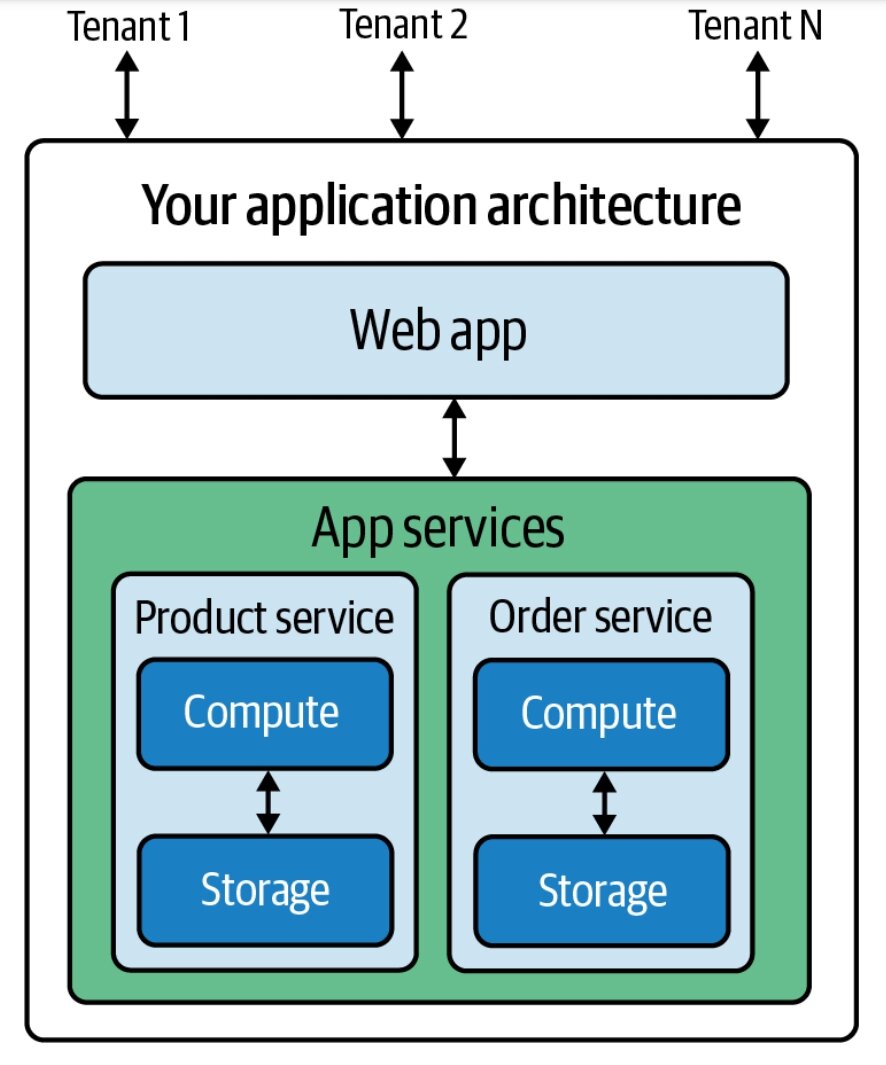
A tenant could be an individual user, a small team, or a whole company. For example, a project management tool might serve thousands of different companies from a single platform. Each company is a tenant with its own users, projects, and data, but they all run on the same shared infrastructure managed by the software provider.
The Upside of Sharing
The primary benefit of multitenancy is cost efficiency. Instead of deploying and maintaining a separate copy of the software and its infrastructure for every customer, the provider manages just one. This dramatically reduces costs for hardware, maintenance, and updates. Those savings are often passed on to the customer, making the software more affordable.
Think of it like this: it's much cheaper for a landlord to maintain one large apartment building than hundreds of individual houses.
Management is also much simpler. When the provider releases a new feature or a bug fix, they deploy it once, and every tenant benefits immediately. There’s no need to update hundreds or thousands of separate installations. This streamlined process leads to faster innovation and better service for everyone.
Finally, this architecture is highly scalable. Adding a new tenant is typically much faster and easier than setting up a whole new environment from scratch. The provider can add new customers quickly by just provisioning them within the existing system, allowing the service to grow efficiently.
Potential Complications
While sharing has its advantages, it also introduces challenges. The most critical is data isolation. The architecture must have robust security measures to ensure that one tenant can never access another tenant's data. A failure here would be a catastrophic privacy breach.
Another issue is performance variability, often called the "noisy neighbor" problem. If one tenant suddenly starts using a huge amount of processing power, it could slow down the application for all other tenants sharing the same resources. Providers need to build in safeguards to manage resource allocation and prevent one tenant's activity from impacting others.
Compliance can also be complex. Different tenants may be subject to different industry or government regulations (like HIPAA for healthcare or GDPR for data privacy in Europe). A multitenant application must be flexible enough to meet the compliance needs of all its tenants simultaneously, which can be a significant engineering challenge.
Time to check your understanding of multitenant architecture.
What is the defining characteristic of a multitenant architecture?
In the context of multitenancy, the "noisy neighbor" problem refers to...
Multitenant architecture is a powerful model that enables software providers to serve many customers efficiently and affordably. By sharing resources while ensuring data privacy, it forms the backbone of many of the cloud services we use every day.