Mastering Multitasking for Business Survival
Import Export Logistics
Navigating Global Trade
Moving goods from one country to another is more than just shipping a package. It's a complex dance of planning, execution, and compliance called logistics. Getting it right means your products arrive on time and on budget. Getting it wrong can cause costly delays and damage your reputation.
At its core, logistics management is about ensuring that goods and services move efficiently through the supply chain—from sourcing raw materials to delivering finished products to customers.
Think of it as the circulatory system of global commerce. Every step, from the factory floor to the customer's doorstep, must be carefully managed. This process involves coordinating with suppliers, carriers, and government agencies to ensure a smooth journey for your products.
The Shipping Journey
The path a product takes from an exporter to an importer involves several key stages. It begins at the source, travels across borders, and ends at the final destination. Understanding this flow is the first step to managing it effectively.
Choosing how your goods travel involves a trade-off between speed, cost, and volume.
- Sea Freight: This is the most common and cost-effective method for large shipments. It's slower but can handle massive volumes, making it ideal for bulk goods or non-urgent items.
- Air Freight: For time-sensitive or high-value goods, air freight is the fastest option. It's significantly more expensive and has limitations on size and weight.
- Land Freight: Trucks and trains are used for cross-border trade within a continent, often connecting the ports to inland destinations.
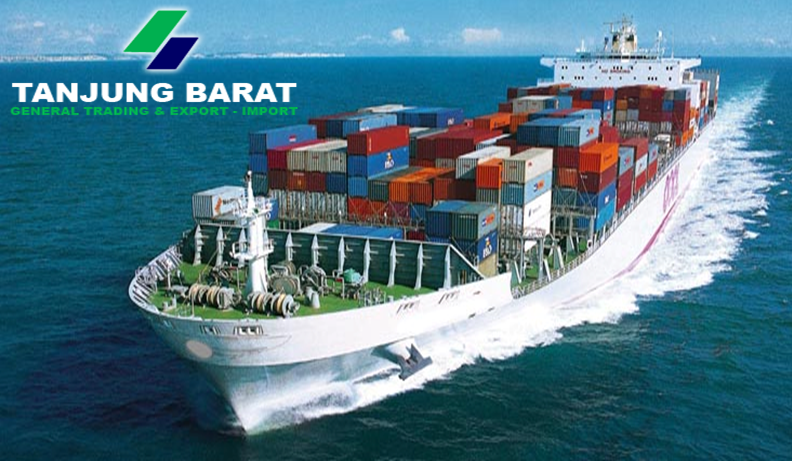
Optimizing transportation means picking the right mode or combination of modes for your specific needs. Sometimes, a hybrid approach, like sea-air, can balance cost and speed.
Clearing Customs
Every country has a customs authority that controls the flow of goods across its borders. Their job is to collect duties and taxes (tariffs) and ensure that all imported and exported goods comply with national laws. This can range from safety standards to restrictions on certain products.
Getting customs right is non-negotiable. Mistakes in paperwork or compliance can lead to significant delays, hefty fines, and even the seizure of your goods.
The key to smooth customs clearance is meticulous documentation. While requirements vary by country and product, a few documents are nearly universal.
| Document | Purpose |
|---|---|
| Commercial Invoice | A bill for the goods from the seller to the buyer. It's used by customs to determine the value of the goods and calculate duties. |
| Bill of Lading (B/L) | A legal document issued by a carrier to a shipper. It details the type, quantity, and destination of the goods being carried. It also serves as a receipt and a contract of carriage. |
| Certificate of Origin (CO) | Certifies the country where the goods were manufactured. This is important for determining tariff rates, as many countries have trade agreements that offer lower duties. |
Handling this paperwork requires precision. Many businesses hire customs brokers or freight forwarders, who are experts in navigating these complex regulations and ensuring all documents are correct and submitted on time.
Correct and complete documentation is paramount for seamless customs clearance, preventing costly delays, penalties, and ensuring full compliance with international trade laws and the regulations of your importing country.
Managing the Supply Chain
Effective logistics isn't just about single shipments; it's about managing the entire supply chain. A supply chain is the network of all individuals, organizations, resources, activities, and technology involved in the creation and sale of a product.
For import-export, this means coordinating everything from the supplier's factory to your warehouse. A well-managed supply chain ensures you have the right amount of product at the right time, minimizing costs and maximizing efficiency.
An efficient supply chain reduces costs, improves customer satisfaction, and gives your business a competitive edge.
One key strategy is inventory management. Holding too much stock ties up capital and increases storage costs. Holding too little risks stockouts and lost sales. Modern logistics uses technology to track inventory in real-time, allowing businesses to maintain optimal levels and respond quickly to changes in demand.
Another strategy is building strong relationships with reliable partners. This includes your suppliers, freight forwarders, and transport companies. Good communication and trust are essential for navigating unexpected challenges, like port congestion or weather delays.
What is the most common and cost-effective transportation method for shipping large volumes of non-urgent goods internationally?
A company needs to transport a shipment of high-value, time-sensitive medical supplies from South Korea to Brazil. Which mode of transport would be the most logical choice?
By mastering these fundamentals, you can build a resilient and efficient logistics operation that supports your global business goals.