Mastering Muay Thai
Origins and History
From Battlefield to Ring
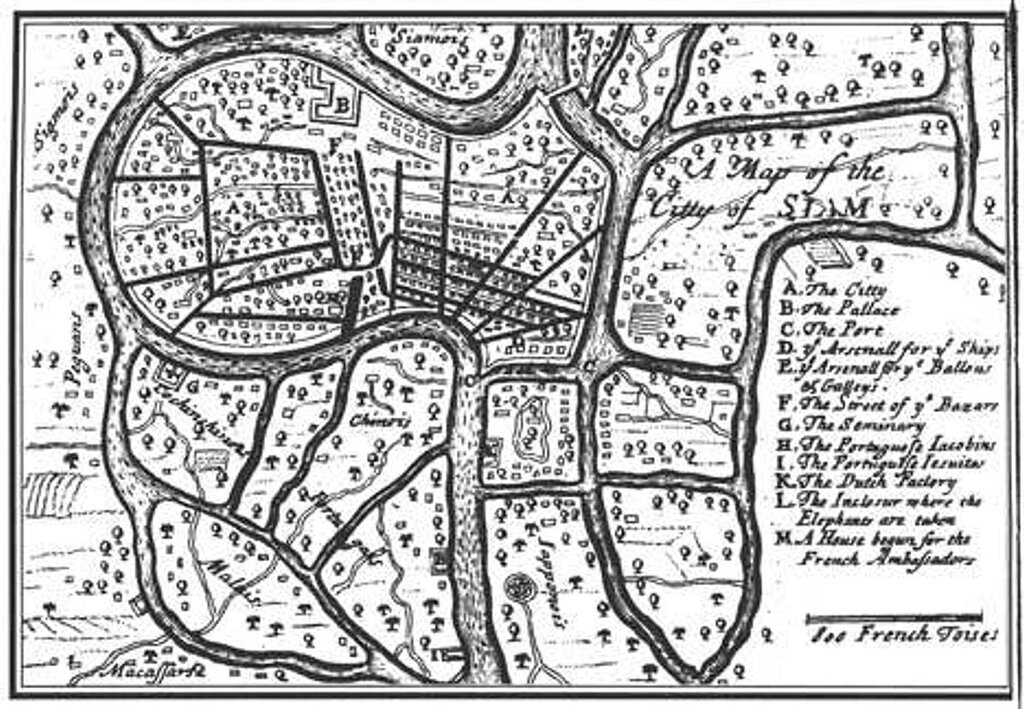
Muay Thai's story begins not in a sports arena, but on the battlefields of ancient Siam, the land now known as Thailand. For centuries, conflicts with neighboring kingdoms were a constant reality. Soldiers needed a reliable method of fighting, especially if they found themselves unarmed and disarmed. Out of this necessity, a brutal and effective form of hand-to-hand combat was born.
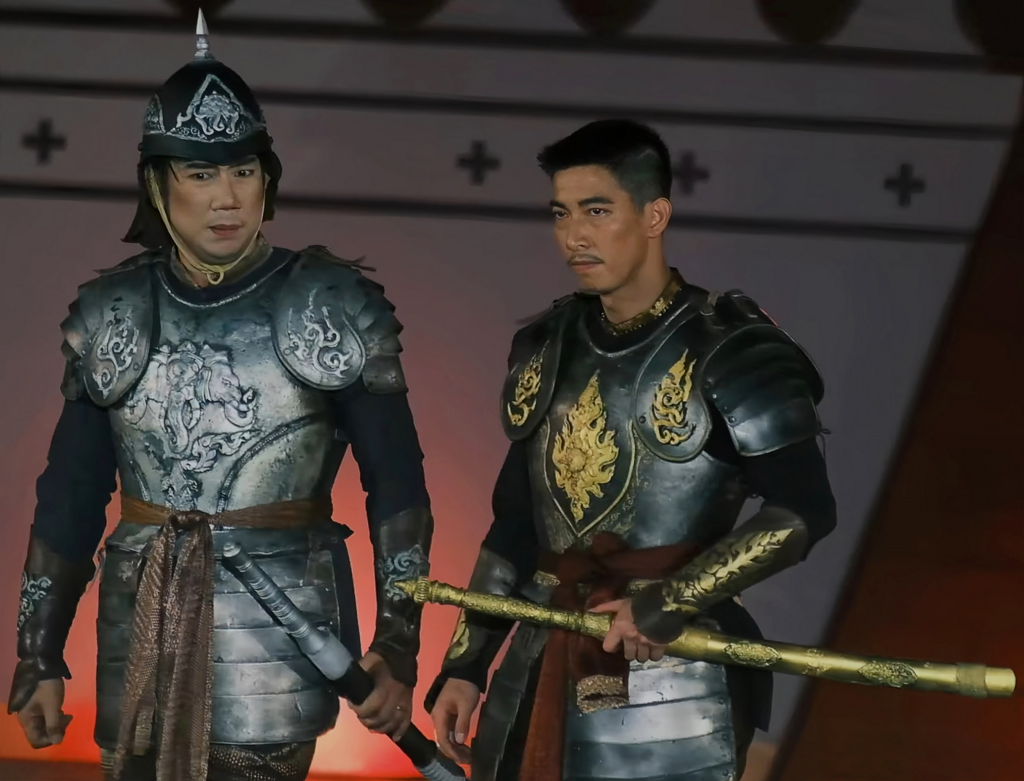
This early form, often called Muay Boran (ancient boxing), was not a sport. It was a survival skill. It focused on crippling or finishing an opponent as quickly as possible, using techniques that are now banned in the modern sport. Every part of the body was a potential weapon, and every part of the opponent was a potential target. This practical, no-nonsense approach to combat is the root of Muay Thai's power.
The core principle was simple: use the body's hardest parts to strike the opponent's most vulnerable points.
Because it uses fists, elbows, knees, and shins for striking, Muay Thai became known as the "Art of Eight Limbs." This makes it distinct from arts like boxing (two points of contact: the fists) or kickboxing (four points: fists and feet). The use of elbows and knees allows for powerful strikes at close range, making it a complete and devastating fighting system.
A Peacetime Transformation
As periods of peace became more common in Siam, the role of Muay Thai began to shift. Soldiers and civilians alike practiced the art to stay fit and maintain their combat readiness. It also became a popular form of entertainment. Villages would hold matches during festivals and celebrations, with local champions earning respect and renown. These early contests were raw and unstructured, often fought on bare earth with few rules.
In these bouts, fighters would wrap their hands and forearms in hemp rope, a practice known as kaad chuek. This not only protected the fighter's hands but also made their strikes more damaging to the opponent. There were no weight classes or timed rounds; a fight ended when one person was knocked out, surrendered, or could no longer continue.
The 20th century brought major changes. Influenced by British boxing, Muay Thai began to adopt formal regulations. Boxing rings were introduced, as were weight classes, timed rounds, and codified rules. Most significantly, fighters replaced the traditional rope bindings with modern boxing gloves. This transformation marked the birth of modern Muay Thai as a global sport, making it safer for competitors while preserving its core techniques.
| Feature | Ancient Muay Boran | Modern Muay Thai |
|---|---|---|
| Hand Protection | Hemp rope (kaad chuek) | Padded gloves |
| Venue | Open ground, courtyards | Raised boxing ring |
| Rules | Few; varied by region | Standardized, codified |
| Rounds | No time limits | Timed rounds (e.g., 5 rounds of 3 min) |
| Goal | Incapacitate opponent | Score points or win by knockout |
More Than a Sport
Despite its evolution into a modern sport, Muay Thai remains deeply woven into the fabric of Thai culture. It's more than just fighting; it’s an expression of tradition, respect, and spirituality. This is most beautifully displayed in the pre-fight ritual known as the Wai Kru Ram Muay.
Every professional Muay Thai fight begins with this ceremonial dance. The fighter circles the ring, performing a slow, graceful sequence of movements that pays homage to their teachers, parents, and country. It is a moment of calm and focus before the storm of the fight begins.
The Wai Kru serves as both a physical warm-up and a spiritual observance, connecting the modern athlete to the generations of warriors who came before them. It reminds everyone watching that Muay Thai is not just about violence, but about discipline, honor, and a rich cultural heritage. This blend of brutal effectiveness and profound tradition is what makes Muay Thai unique among the world's martial arts.
What was the primary reason for the development of Muay Boran, the ancient form of Muay Thai?
Muay Thai is known as the "Art of Eight Limbs" because it utilizes fists, elbows, knees, and shins for striking.