Mastering Moist and Delicious Cakes
Cake Types
A World of Cakes
Walk down the aisle of a bakery and you'll see dozens of different cakes. While they may look different, most fall into one of three main families. These categories aren't based on flavor, but on how the cake gets its structure and texture. Understanding these foundational types is the first step to baking a perfect cake every time.
Butter Cakes
Butter cakes are likely what you picture when you think of a classic birthday or wedding cake. They are known for their rich flavor and tender, moist texture. As the name suggests, they start with a solid fat, usually butter, that's creamed together with sugar. This process whips tiny air pockets into the mixture, which expand in the oven and help the cake rise.
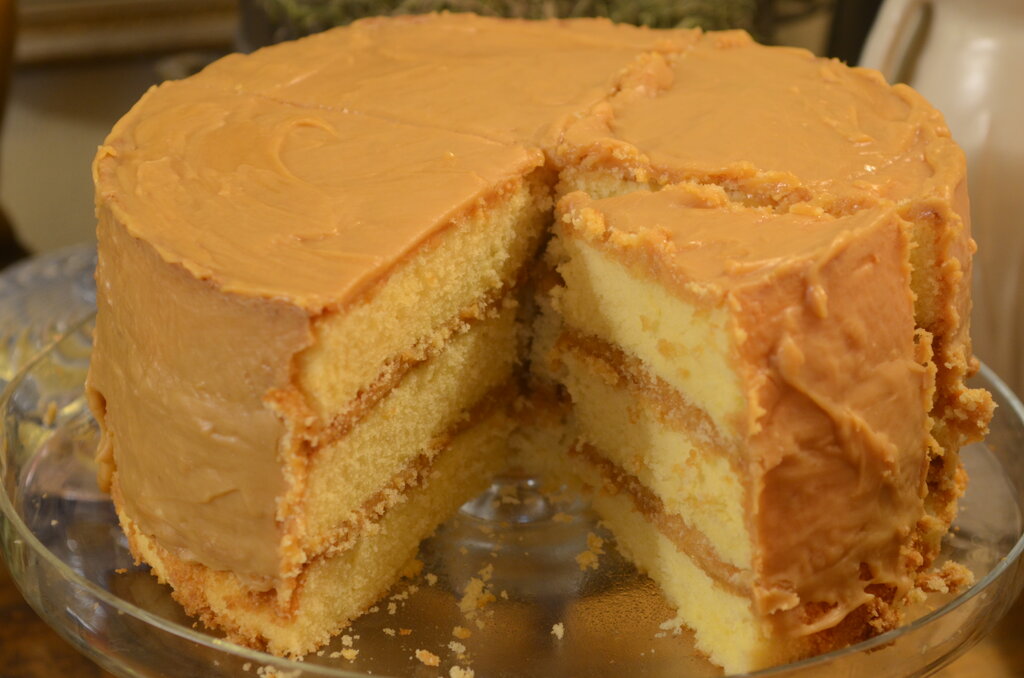
These cakes typically have a sturdy but soft crumb that holds up well to layering and frosting. Pound cakes, yellow cakes, and white cakes all fall into this delicious category. They get their fat from butter and egg yolks and rely on both the air from creaming and chemical leaveners like baking powder for their lift.
The key to a butter cake's texture is creaming. Beating butter and sugar together incorporates air, creating a light and fluffy foundation for the rest of the ingredients.
Sponge Cakes
Sponge cakes are much lighter and airier than butter cakes. Their secret lies in eggs. Instead of creaming butter, sponge cakes get their volume almost entirely from whipping whole eggs, yolks, or whites with sugar until they become a thick, pale foam. This foam traps a massive amount of air, which acts as the primary leavener.
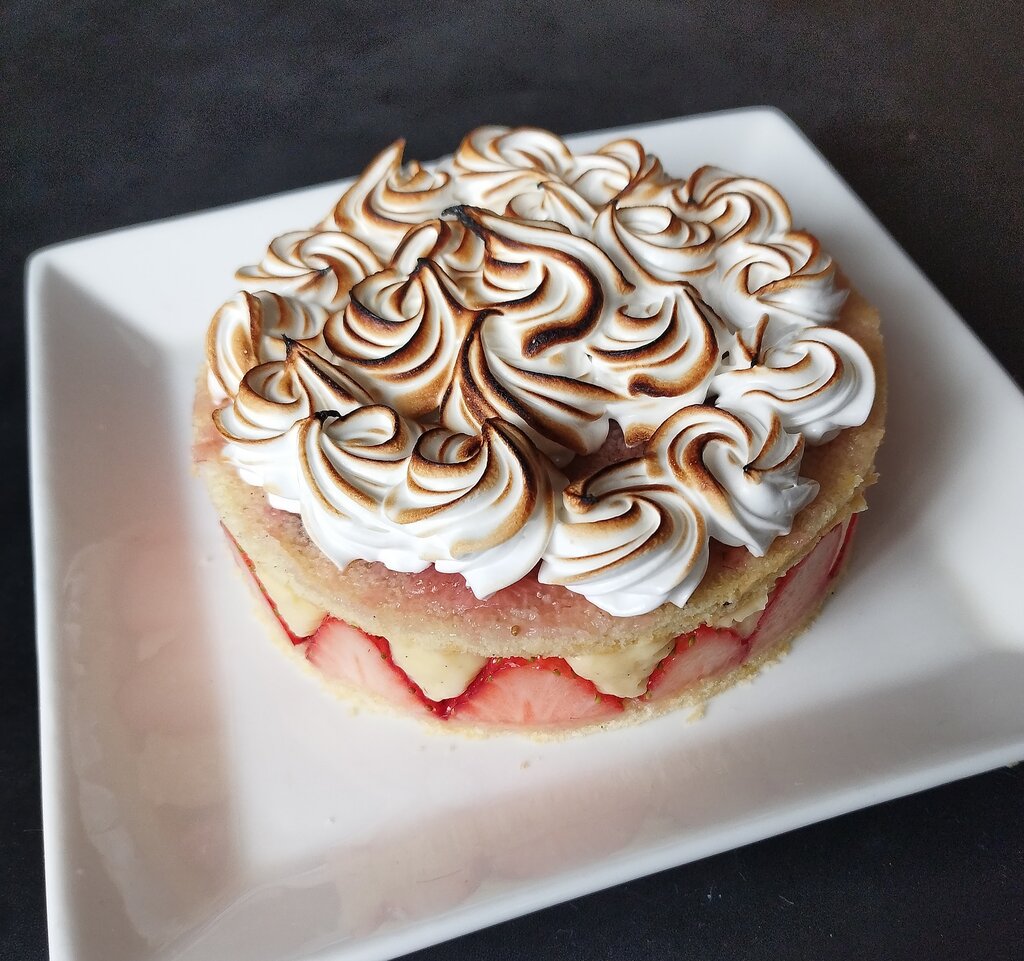
Because they contain very little fat—sometimes none at all besides what's in the egg yolks—sponge cakes have a drier, springier texture. This makes them perfect for soaking up flavored syrups or pairing with creamy fillings and fruits. A classic Genoise is a prime example of a sponge cake.
Foam Cakes
Foam cakes are the lightest and most delicate of all. Like sponge cakes, they are leavened with whipped eggs, but they take it a step further by using only the egg whites. These whites are whipped into a stiff, glossy meringue that forms the cake's entire structure.
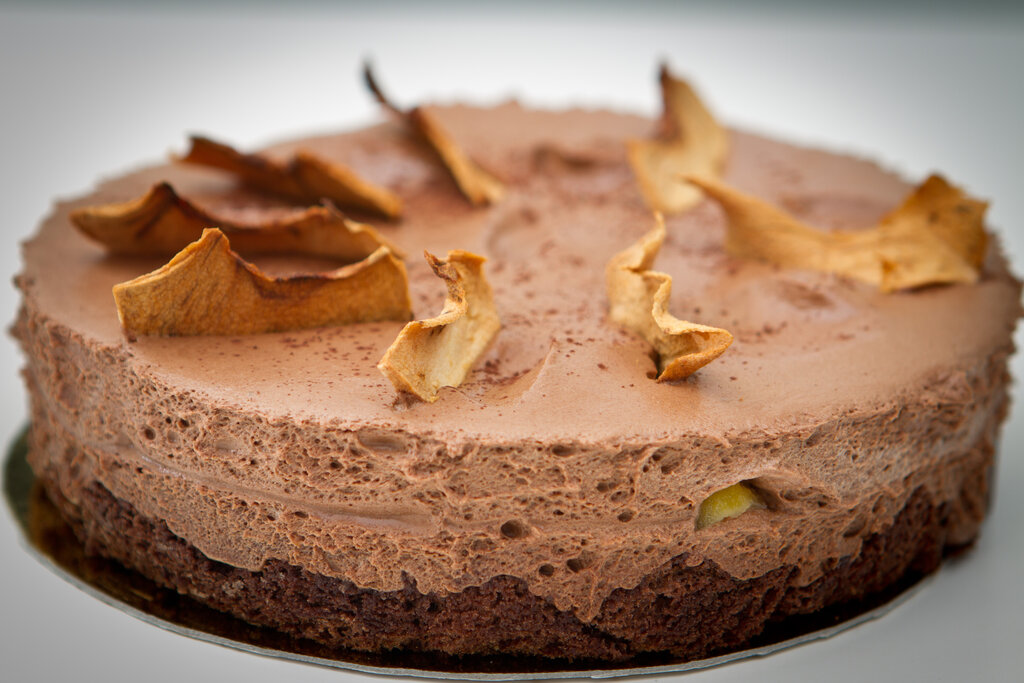
Angel food cake is the most famous foam cake. It contains no fat—no butter, oil, or even egg yolks. This results in an incredibly light, fluffy, and slightly chewy texture that's almost marshmallow-like. Chiffon cakes are a popular hybrid; they are foam cakes that include oil and egg yolks, giving them a richer flavor and moister texture while still being exceptionally light.
Each cake type offers a different experience. Whether you want a rich, buttery slice or a light-as-air confection, it all starts with understanding the foundation.