Mastering Modern Trading Strategies 2025
Strategy Design Principles
From Guesswork to Game Plan
You already understand the building blocks of the market: support, resistance, and the direction of the trend. But knowing these concepts and using them to consistently generate profit are two different things. The bridge between them is a structured, rules-based strategy.
Many traders rely on 'gut feel'. They see a familiar pattern and jump in, hoping for the best. This approach is unpredictable and emotionally draining. Professional trading isn't about intuition; it's about systematically executing a plan where the odds are tilted in your favour. This statistical advantage, repeated over dozens or hundreds of trades, is your 'edge'.
An edge is not a guarantee on any single trade. It's a statistical probability that a certain type of setup will be profitable over a large number of occurrences.
To find your edge, you need to identify a specific market scenario that happens repeatedly and has a predictable outcome. For example, you might notice that after a strong upward trend, the price often pulls back to a previous resistance level, which now acts as support, before continuing higher. This is a potential edge. Your job is to define this scenario so precisely that you could explain it to someone else and they could spot the exact same setup.
The Trading Playbook
Your edge needs a home. A Trading Playbook is a detailed, written document that contains your specific trading strategies. It's not a list of vague ideas; it's a concrete set of rules for every action you take in the market. Think of it like a pilot's pre-flight checklist. It ensures nothing is missed and that every decision is deliberate, not impulsive.
This playbook is your business plan. It turns trading from a hobby into a professional endeavour. It removes emotion and subjectivity because all the hard thinking is done before the market even opens. When a setup appears, you're not deciding whether to trade; you're simply executing the plan you've already created.
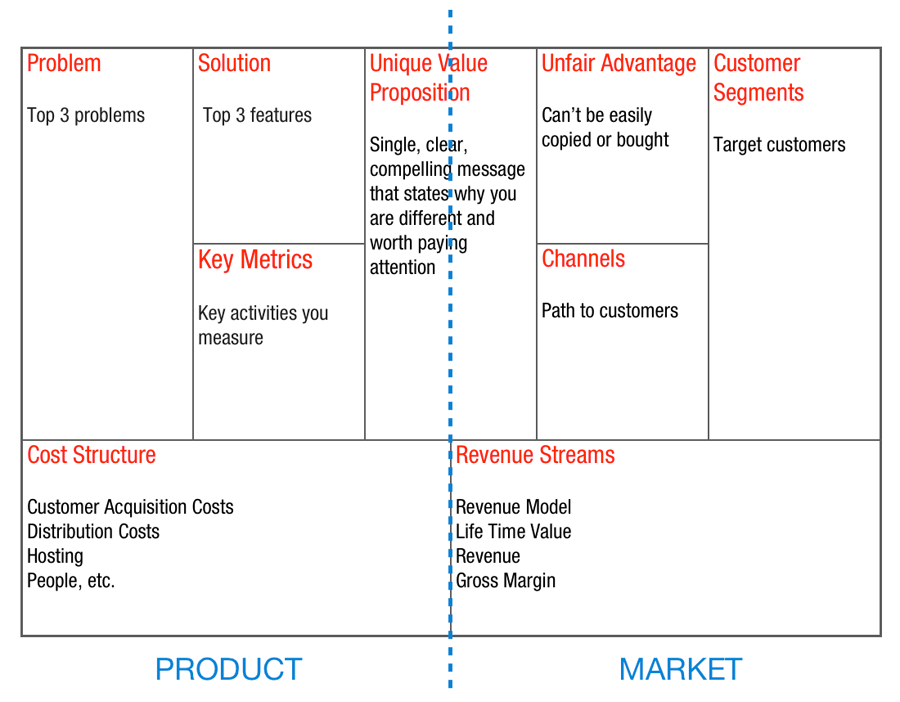
Your playbook should contain several 'plays' or setups. Each play must be defined with absolute clarity, covering every aspect of the trade from start to finish.
Anatomy of a Trade Setup
A professional trade setup has three core components: the entry trigger, the stop-loss, and the exit plan. Each must be based on the market's structure, not on arbitrary numbers or how you feel.
Synthesising known concepts is key. Your rules should explicitly combine trend bias with support and resistance levels. For instance, a rule might be: "Only take long positions above the 50-day moving average when price successfully retests a horizontal support level."
1. The Entry Trigger This is the exact event that tells you to enter the trade. It’s not just 'price is at support'. It’s more specific, like 'a bullish engulfing candle forms at the support level of ₹150, which was a prior resistance zone, while the broader market trend is up'. The trigger is your final confirmation that your setup is active.
2. The Stop-Loss Your stop-loss is your pre-defined point of invalidation. It's the price at which your trade idea is proven wrong. It should be placed at a logical level based on market structure. If you are buying at support, your stop-loss should go just below that support level. Why? Because if the price breaks decisively below that support, the reason for your trade is no longer valid. Placing it based on a fixed percentage or a random monetary amount is meaningless.
3. The Exit Plan Knowing when to take profits is as important as knowing when to enter. A professional exit plan often involves multiple targets. For example, you might sell a portion of your position at the first minor resistance level to lock in some gains and reduce risk. You could then move your stop-loss to your entry price (a break-even stop) and let the rest of the position run towards a second, more significant resistance level.
This diagram illustrates one complete 'play' from your playbook. The goal is to define 2-3 of these high-probability setups that align with your trading style and risk tolerance.
Your Pre-Market Routine
The final piece is preparation. A pre-market routine is a consistent set of actions you take before the trading day begins. This isn't about finding trades; it's about preparing your mind and workspace for peak performance.
Your routine should include reviewing your playbook, identifying key market levels for the day on the charts, and checking for any major economic news that could cause volatility. This preparation ensures that when the market opens, you are not reacting to noise. You are waiting patiently for one of your pre-defined setups to appear. If it does, you execute. If it doesn't, you do nothing. This discipline is the hallmark of a professional trader.
What is the primary purpose of a Trading Playbook?
According to the principles described, where should a trader place their stop-loss when buying a stock at a support level?
By formalising your approach into a playbook, you shift from gambling on gut feelings to executing a well-defined business plan. This systematic process is the foundation for building consistency in your trading.