Mastering Modern Systems Engineering
Introduction to Systems Engineering
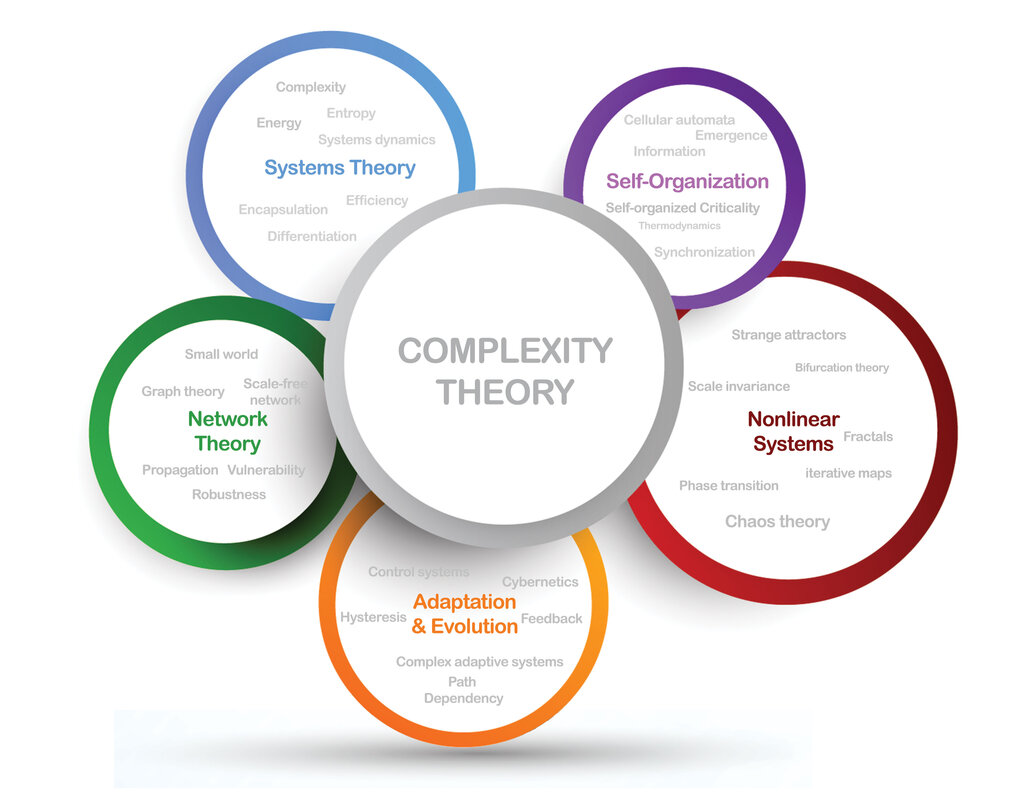
Seeing the Whole System
Building a complex system is like directing an orchestra. You can't just focus on the violin section or the percussion. You have to understand how every instrument works together to create a single, harmonious piece of music. This is the core idea behind systems engineering: looking at the big picture.
Instead of zooming in on individual components in isolation, systems thinking forces us to zoom out. We focus on the relationships and interactions between the parts. A car engine is powerful, but it's useless without a transmission to deliver that power to the wheels, a steering system to guide it, and a chassis to hold it all together. Changing one part, like using a different type of tire, can affect the car's fuel efficiency, handling, and comfort.
Engineers must consider how different components interact within a system rather than focusing only on individual parts.
This holistic view helps us anticipate problems and build more effective systems. By understanding how all the pieces connect, we can design solutions that are robust and work as intended in the real world.
The System's Entire Life
Systems engineering isn't just about the initial design. It's a discipline that manages a system through its entire life, from the first spark of an idea to its eventual retirement. This is often called the system life cycle.
Think of it like building and owning a house. There's the initial planning (deciding what you need), the analysis and design (drawing up blueprints), the development (construction), and the long period of implementation and maintenance (living in the house and fixing things that break). Eventually, the house may be torn down or renovated, starting a new cycle. Every stage is connected, and a poor choice in the design phase can lead to decades of expensive maintenance.
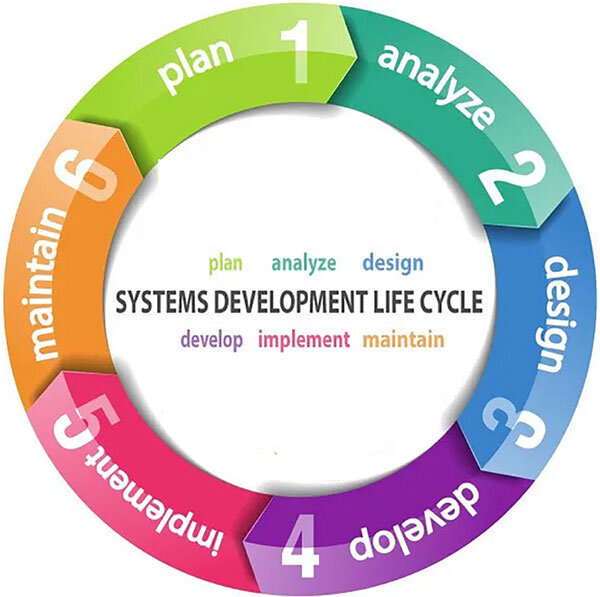
By considering the full life cycle from the very beginning, engineers can make smarter decisions that balance upfront costs with long-term reliability and ease of use. This prevents short-sighted choices that might seem good now but create major headaches down the road.
The Art of the Trade-Off
In a perfect world, every system would be infinitely fast, completely free, and 100% secure. In reality, we have to make choices. This is the world of trade-offs. Improving one quality of a system often means sacrificing another. For example, adding more security features might make an application slower or harder to use.
Trade-off analysis is the structured process of evaluating the pros and cons of different choices to find the best balance for a specific situation.
Imagine you're designing a new laptop. You could give it an extremely powerful processor for maximum performance, but that would make it more expensive and give it a shorter battery life. Or, you could use a less powerful chip to make it cheaper and last longer on a single charge. Neither choice is universally "right." The best option depends on the target audience. Is it for a professional video editor or a student who just needs to write essays?
| Consideration | Option A | Option B |
|---|---|---|
| Goal | Maximum Performance | Maximum Portability |
| Processor | High-end, power-hungry | Efficient, less powerful |
| Battery Life | Short | Long |
| Cost | High | Low |
| Trade-off | Sacrifices cost and portability for speed. | Sacrifices speed for cost and portability. |
Systems engineers constantly perform this balancing act. They use trade-off analysis to make informed, deliberate decisions that align with the project's ultimate goals, ensuring the final product meets the most important requirements.
Built to Last, Built to Grow
Two of the most critical goals in system design are reliability and scalability. They are often discussed together, but they address different challenges.
Reliability
noun
The ability of a system to perform its required functions under stated conditions for a specified period of time.
In simple terms, reliability is about dependability. Does the system do what it's supposed to do, consistently and without failing? A reliable car starts every time you turn the key. A reliable website doesn't crash during peak traffic. Engineers achieve reliability by anticipating potential failures—like a server losing power or a user entering bad data—and designing the system to handle them gracefully.
Scalability
noun
The capability of a system to handle a growing amount of work by adding resources.
Scalability is about handling growth. If you build a small online store and it suddenly becomes popular, can your system handle the surge in customers? A scalable system can. It's designed from the start to grow without requiring a complete redesign. This could mean adding more servers or upgrading to more powerful ones. A system that isn't scalable will buckle under pressure, leading to slowdowns and crashes just when it's becoming successful.
These principles—systems thinking, life cycle management, trade-off analysis, reliability, and scalability—are the foundation of systems engineering. They provide a structured way to tackle complexity and build systems that work well today and are prepared for the challenges of tomorrow.