Mastering Modern Retail Engagement
Shopper Psychology Drivers
The Why Behind the Buy
Most purchase decisions feel logical. You need milk, so you buy milk. You like a shirt's color, so you buy the shirt. But beneath the surface of these seemingly rational choices, a complex interplay of psychological forces is at work. Shoppers are often driven more by emotion and instinct than by careful calculation. Retailers who understand this can create experiences that resonate on a deeper level.
One of the most powerful undercurrents is cognitive bias. These are mental shortcuts our brains use to make decisions quickly. For instance, the first price a customer sees for a product category often becomes an anchor point. A $700 television seems expensive on its own, but placed next to a $2,500 model, it suddenly looks like a bargain. This is the anchoring effect in action; the initial piece of information heavily influences subsequent judgments.
Consumer behavior examines the psychological motives, social, and cultural factors that predispose people toward certain buying habits.
Curating Choices
It seems logical that more options would lead to more sales. If you offer 30 types of jam, surely everyone can find one they like. However, psychology tells us the opposite is often true. This phenomenon is known as the Paradox of Choice—when presented with too many options, consumers can become overwhelmed, leading to decision paralysis and, ironically, lower sales. They might walk away without buying anything simply because the mental effort of choosing is too high.
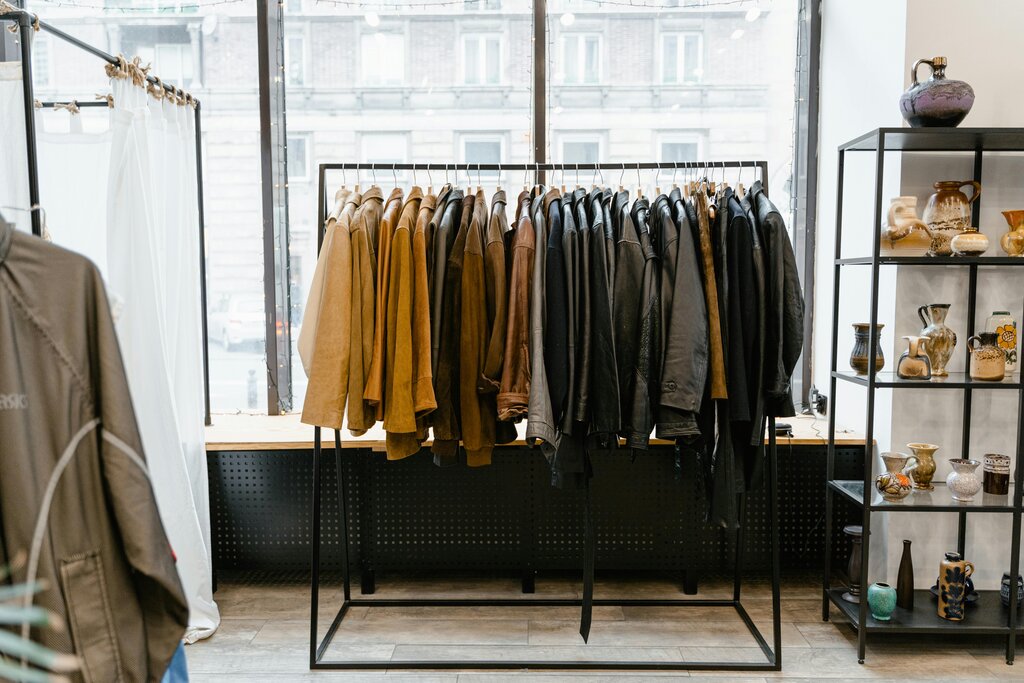
Effective retailers act as curators. Instead of flooding the floor with every possible product, they select a thoughtful assortment that meets their target customer's needs. This reduces friction and makes the shopper feel confident in their choice. The goal isn't to eliminate choice, but to make it manageable and meaningful. A limited but well-chosen selection signals expertise and quality, guiding the customer toward a satisfying purchase.
The Store as an Experience
The physical environment of a store does more than just hold products; it shapes the entire shopping experience through sensory marketing. The scent of fresh bread piped into a supermarket's entrance, the tempo of the background music, the warmth of the lighting—these atmospheric details are not accidental. They are deliberate choices designed to influence a shopper's mood and behavior.
Upbeat, fast-paced music can encourage quicker movement through a store, which is useful during busy periods. Softer, slower music, on the other hand, encourages lingering and browsing, often leading to higher sales in environments like high-end boutiques or wineries. Similarly, specific scents can evoke feelings of cleanliness, luxury, or nostalgia. This is about creating an immersive world that makes shopping less of a task and more of an enjoyable activity.
The Power of Scarcity
Why do limited-time offers and "only 3 left in stock" alerts work so well? They tap into a powerful cognitive bias called The pain of losing something is psychologically about twice as powerful as the pleasure of gaining something of equal value. When an item is scarce, the thought of missing out on it (a loss) becomes a stronger motivator than the simple desire to own it (a gain).
Scarcity tactics, like flash sales or limited editions, create a sense of urgency. They shift the shopper's mindset from "Do I want this?" to "Will I be able to get this?" This short-circuits lengthy deliberation and encourages an immediate purchase decision.
This principle also explains the appeal of social proof in a physical setting. When we see a restaurant with a long line or a product with many positive reviews, we assume it's valuable. The crowd signals that the item is in high demand and might run out. The fear of missing out on what others have discovered and approved of is a powerful nudge toward making a purchase.
Time to see how well you've grasped these psychological drivers.
A boutique displays a $5,000 handbag at the front of the store. Further inside, similar handbags priced at $800 seem much more affordable to shoppers. Which psychological principle is the boutique using?
According to the principle of loss aversion, which statement would be a more powerful motivator for a customer?