Mastering Modern Practical Skills
Home System Diagnostics
Your Home as a System
Think of your home's infrastructure—electrical, plumbing, and HVAC—not as a collection of separate parts, but as interconnected systems. When something fails, your task is to isolate the point of failure. This requires a diagnostic mindset, much like debugging code. Instead of setting breakpoints, you'll be shutting off valves and flipping breakers to trace the problem back to its source.
The Electrical Grid
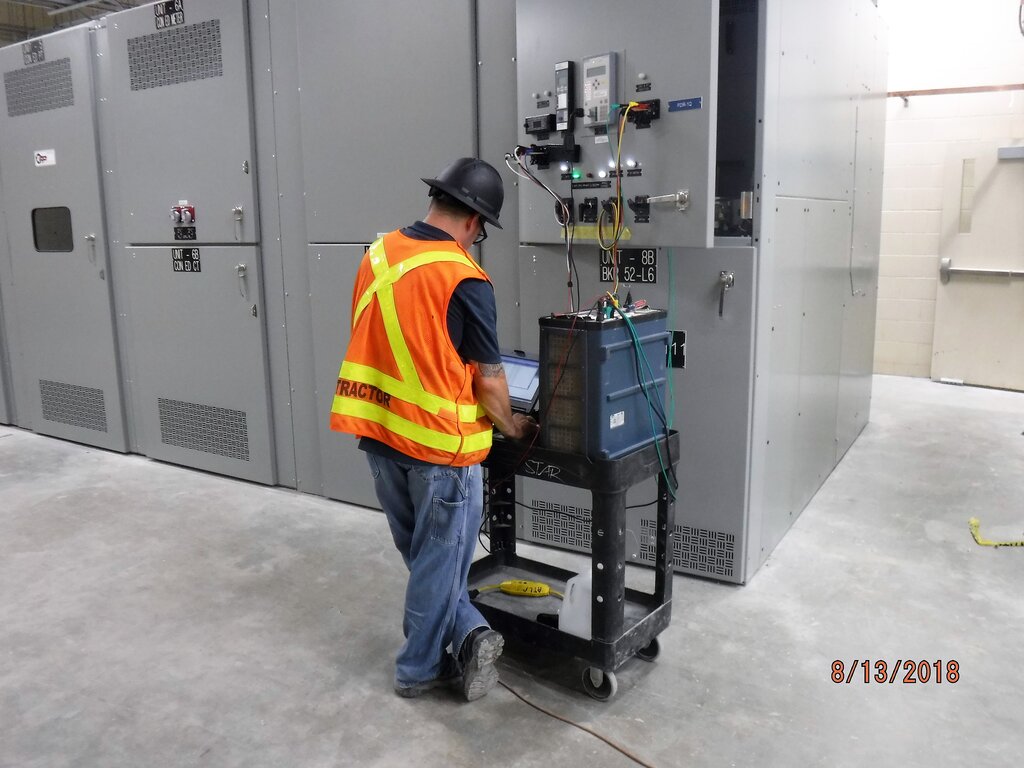
Your electrical panel is the central hub of your home's power grid. It receives power from the street and distributes it through multiple circuits, each protected by a circuit breaker . The first step in any electrical diagnosis is understanding this map. Which breaker controls which outlets and fixtures? Knowing this saves critical time when a problem arises.
To map your panel, work with a partner. One person flips a breaker off, while the other checks which lights and outlets have lost power. Label each breaker clearly. This simple chart is your most valuable diagnostic tool.
Understanding load is also key. Each circuit has a maximum amperage, written on the breaker itself. The total wattage of all devices on a circuit shouldn't exceed its limit. You can calculate this with a simple formula:
For example, a 15-amp circuit at 230 volts can handle up to watts. Running a 2000W electric kettle and a 1500W microwave on this circuit at the same time will likely trip the breaker.
In areas with water, like kitchens and bathrooms, you'll find GFCI outlets . These special outlets monitor the flow of electricity. If they detect a small imbalance—meaning some current is leaking out, possibly through a person—they shut off power in milliseconds to prevent shock. Test them monthly by pressing the 'TEST' button, then 'RESET'.
The Water Network
Your home's plumbing is a pressurised system of supply lines and a gravity-fed system of drain lines. Your first task is to identify the shut-off valves. There's a main shut-off for the entire house, usually near the water meter or where the main pipe enters your home. Each fixture, like a toilet or sink, should also have its own local valve, called a stopcock.
Knowing these locations allows you to isolate a leak. If a tap is gushing water, you don't need to turn off the water to the whole house; just close the valve directly underneath it. This turns a major crisis into a manageable repair.
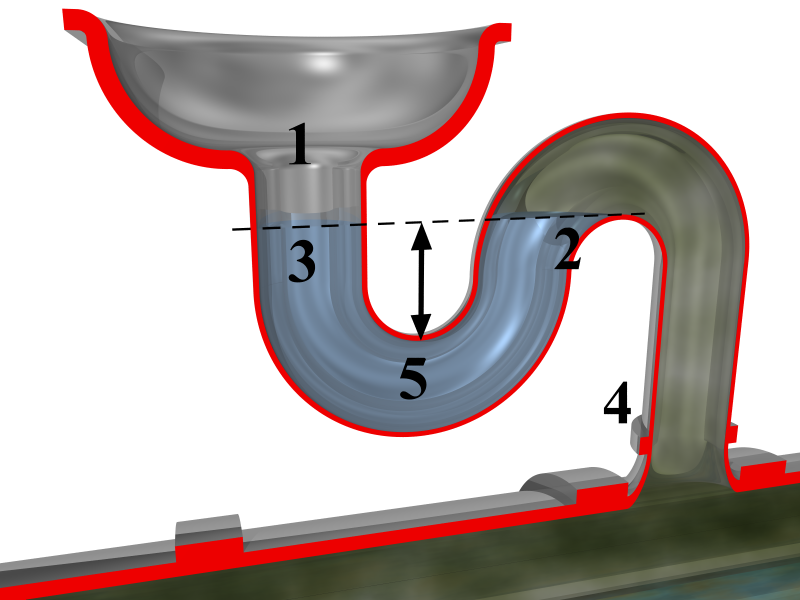
On the drainage side, one of the most clever components is the P-trap . This is the U-shaped pipe under every sink and drain. Its purpose is simple but vital: it holds a small amount of water that acts as a seal, preventing sewer gases from rising up the drain and into your home. If you notice a foul smell from a rarely used drain, the water in the trap has likely evaporated. Simply running the water for a minute will refill the trap and restore the seal.
A slow drain is often caused by a blockage in the P-trap itself. Because of its shape, it's a common spot for hair and debris to accumulate. Clearing it is often the first step in drainage troubleshooting.
Airflow and Climate
Your HVAC system is a closed loop that circulates air. The logic is simple: it pulls air from your rooms, heats or cools it, and pushes it back out. The single most common point of failure in this system is a dirty air filter.
A clogged filter restricts airflow. This forces the system's fan to work harder, increasing energy consumption and causing unnecessary wear. In extreme cases, it can cause the system to overheat and shut down. Checking your filter monthly and replacing it when dirty is the most important HVAC maintenance task you can perform.
Understanding the basic operation of an HVAC system is the first step in effective troubleshooting.
When diagnosing an HVAC issue, think about the airflow path. Is air coming out of the vents? Is it weak? Are some rooms getting air while others aren't? This can point to a filter issue, a blocked duct, or a problem with the fan motor. Start with the simplest cause—the filter—before moving to more complex possibilities.
What is the primary function of the U-shaped pipe, known as a P-trap, found under sinks?
A standard 15-amp circuit in a home operates at 230 volts. You are already running a 1200W toaster and a 1000W electric kettle. If you plug in a 1500W iron on the same circuit and turn it on, what is the most likely outcome?
By treating your home as a logical system, you can methodically identify and often solve problems before they become major headaches. It's about knowing the map and following the logic.